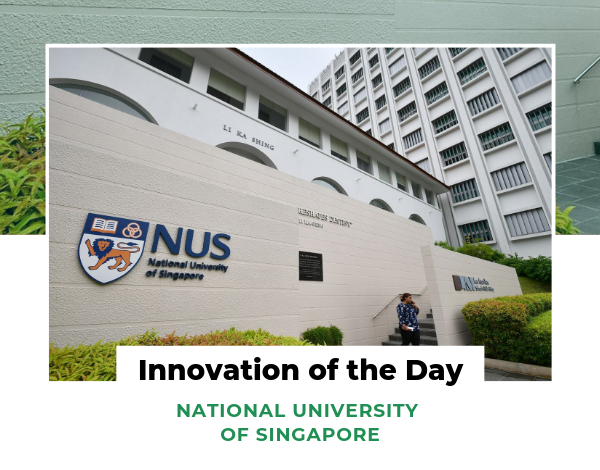
Starting August 2019, undergraduate students at the National University of Singapore will have the option to design their own course modules. Interested students will need to organize themselves into groups of at least 10 and submit a proposal. Upon approval, they can then invite industry experts as guest tutors, or select courses from online platform edX. A faculty mentor will be assigned to guide them. The university aims to allow students greater ownership over their learning journey, and the ability to pursue topics not currently offered by the university, from blockchain technology to sustainability and climate change to photography.
Okay, it is worth noting that students are only allowed to use four modular credits for this initiative, which amounts to just 2.5% of a four-year degree. But this initiative is still tapping into two big expectation shifts that it pays to consider:
The tidal wave of personalization spares no one. A university – and one from a country where education is often a religiously rigid affair – is now allowing students to start customizing their own studies. The underlying message here? No business or industry is exempt from addressing rising expectations of personalization. Overwhelmed by the abundance of choice, consumers will embrace tools that help them identify the most relevant option for them. This story has evolved from location-based alerts to newly-evolving forms of personalization based on new kinds of data: 42% British consumers are now interested in DNA-based diets (Mintel, October 2018). So what does the search for hyper-customized, hyper-relevant offerings mean for you?
Adapt for success. Rising numbers of consumers are plagued by anxieties over what the future holds for us collectively and as individuals. Just one indicator: around the world, large majorities believe that technology is set to displace human labor (Pew Research, September 2018). By allowing students to devise their own modules, the National University of Singapore is adapting their program around a fast-changing jobs market. Can you take steps to better empower your stakeholders – your customers and employees alike – to succeed in the new world we’re heading towards?