Forever smarter with our new free membership 🎉
Subscribe-Image-2024_2
All yours

Trend Reports + Newsletter + Innovations

Free access
STACKED LOYALTY
23 October 2026

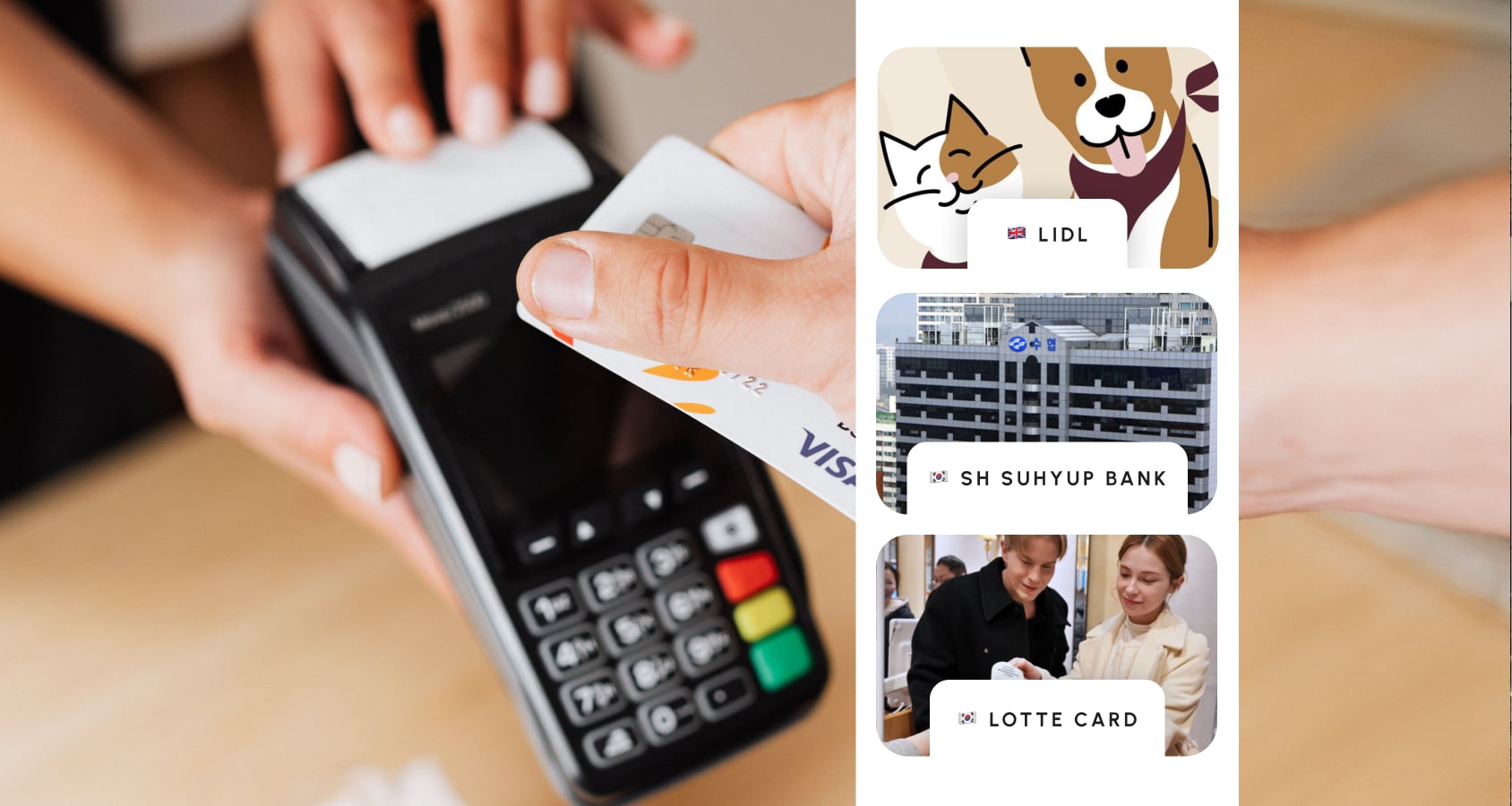
Retailers and banks are bringing related benefits together around pet care, commuting and travel. Combining products, payment functions and rewards within one app or card can make those benefits easier for customers to find and use.

Lidl GB launched Max & Mila’s World, an own-label brand covering pet food, care products and accessories across tiered ranges. Pet owners can create a pet profile in Lidl Plus and access coupons, partner offers, product recommendations and pet-related content. The approach connects the product range with dedicated benefits inside the retailer’s existing app.

South Korea’s Sh Suhyup Bank launched Everyone’s Green Card, combining transport benefits with Eco-Money rewards. Eligible public transport spending earns 10–20% in points, depending on the cardholder’s previous-month spending. The card also offers rewards for qualifying dining and environmentally focused purchases, bringing several everyday spending benefits into one payment product.

Lotte Card and Lotte Department Store launched a prepaid membership card for foreign tourists visiting South Korea. It combines shopping discounts at Lotte and partner locations with transit functionality and L.Point rewards. Visitors can access these functions through one physical card, linking shopping benefits with a practical travel service.

WELLNESS STAGECRAFT
22 October 2026

Wellness venues and devices are using spatial design to shape how people experience their services. The approaches range from a themed sauna sequence to equipment that blends into the home and a fitness studio that hosts exhibitions.

Sauna Mother is scheduled to open in Tokyo’s Roppongi district in late October 2026. Its two-hour experience follows a birth-and-infant-care narrative through a womb-inspired sauna, cold bath and shower, ending on a rocking sofa beneath projected maternal imagery. The sequence makes the setting and story part of the sauna visit.

Los Angeles-based LIT Inc. launched ARC, an infrared home sauna enclosed behind a two-way mirror. Its exterior resembles mirrored furniture, while users can see into the surrounding room from inside. The design allows the sauna to fit visually within a living space.

Everyone Active opened in London, combining fitness classes with rotating art exhibitions in a gallery-style setting. The venue brings training and visual art together, making exhibitions part of the space visitors use for exercise.

FRICTION HIJACK
21 October 2026

Brands are using food authenticity debates, disappointing restaurant experiences and ride-hailing costs as starting points for campaigns. The responses range from humorous content to free products and partial refunds, giving each brand a specific way to join an existing conversation.

KFC Italia launched two chicken focaccia sandwiches with a campaign exploring their Italian-American identity. A mockumentary follows New York-based actor and creator Fabrizio Brienza as he visits a KFC in Milan, tastes both sandwiches and delivers his verdict. The campaign uses the meeting of Italian and American food traditions to explain the new products.

Carl’s Jr. New Zealand worked with TBWA\New Zealand on 1-Star Swapper, a promotion offering a free Famous Star burger to people who previously posted a genuine one-star burger restaurant review. Participants upload a screenshot of their own review for verification. Eligible reviews must predate the promotion, and the terms also include previous Carl’s Jr. reviews.

Espolòn Tequila launched Fare Share, a Halloween-timed programme offering partial refunds for qualifying ride-hailing trips. Customers submit a receipt, and the brand reimburses 50% of the fare, up to USD 25. The promotion addresses the cost of getting home during a period of high demand without changing the ride-hailing service itself.

MOOD PROPS
20 October 2026

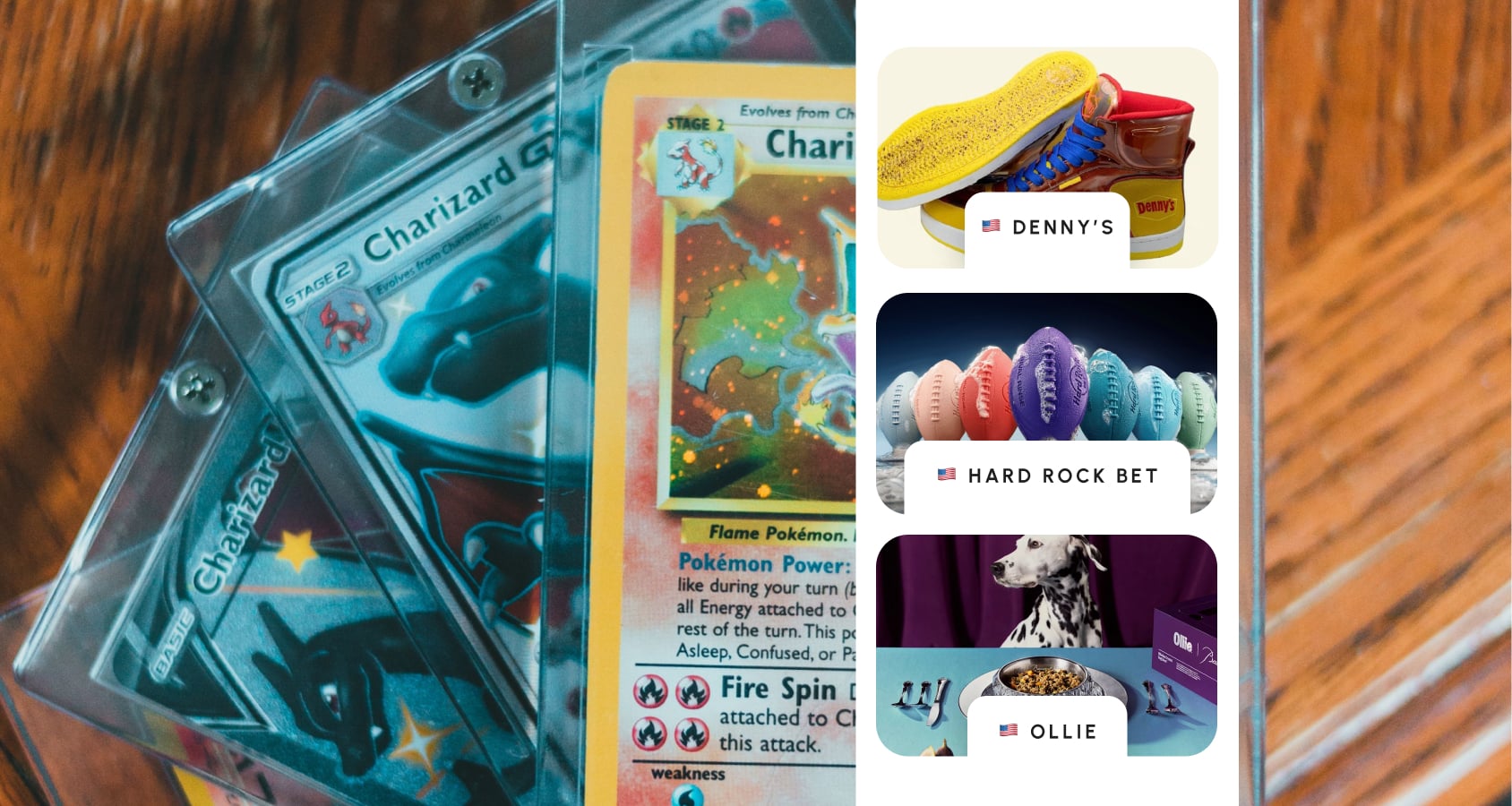
Brands are extending familiar products and experiences into limited-edition merchandise and prizes. Pancake-themed sneakers, football-shaped soaps and a crystal pet bowl connect physical objects with enthusiasm for a restaurant, team or pet.

Denny’s relaunched Sticky Kicks, its limited-edition sneakers created with footwear artist Mache. The new version includes customisable details and a syrup-scented hang tag. A QR code on the tag offers two free buttermilk pancakes with the purchase of a Grand Slamwich at participating restaurants. The launch included an exclusive purchase window for Denny’s Rewards members, linking the merchandise with its loyalty programme.

Hard Rock Bet launched Rival Rinse, a limited-edition collection of football-shaped soaps with scents inspired by football cities. The campaign jokes about fans wanting to “wash off” the guilt of supporting a rival team because of a bet. Available through the app’s Rewards Store, the soaps turn a familiar tension between betting and team loyalty into promotional merchandise.

Fresh dog food brand Ollie is offering Baccarat crystal pet bowls valued at USD 1,700 as prizes in its holiday sweepstakes. Subscribers receive an entry by adding the seasonal Holiday Feast product to their subscription box, with a free postal entry option also available. The promotion pairs a luxury pet accessory with a seasonal food purchase.

NATIVE ASK
19 October 2026

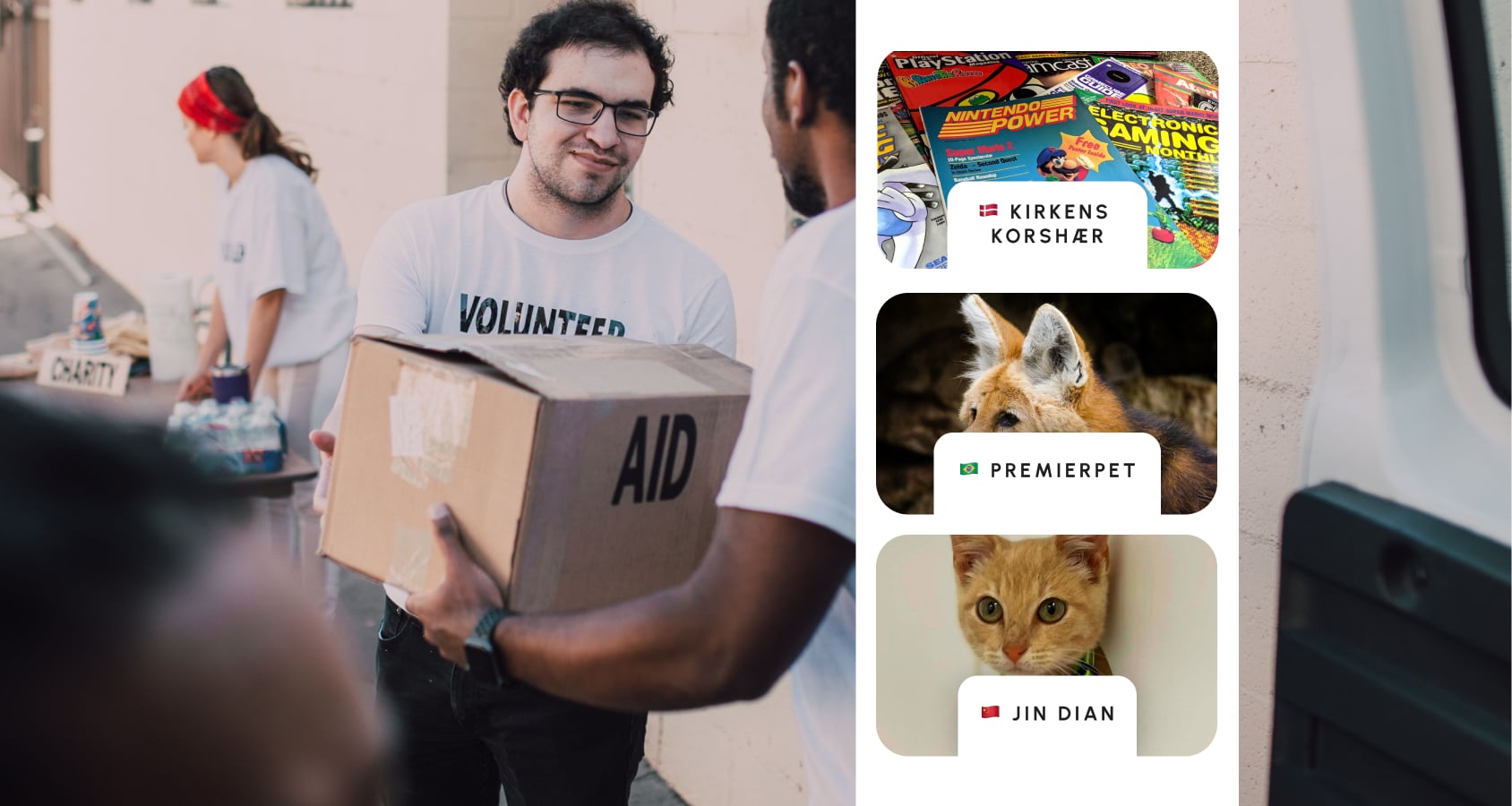
Charity campaigns are offering ways to participate through digital possessions, everyday purchases and pet adoption profiles. These approaches connect support for a cause with things audiences already own, buy or use.

Danish charity Kirkens Korshær launched Secondhand Skins, a digital thrift store that accepts donated Counter-Strike 2 items. Players transfer skins, which change the appearance of in-game equipment, to the charity for resale. Proceeds support vulnerable young people in Denmark, extending its existing secondhand fundraising model to digital goods.

Brazilian pet food company PremieRpet launched Nattu Wild, with a portion of sales revenue allocated to wildlife conservation through Instituto PremieRpet. The first supported project, run with Onçafari, focuses on maned wolves and contributes to research using tracking data and biological samples. Buying the pet food provides a way to support conservation through a routine purchase.

Chinese dairy brand Jin Dian partnered with an animal welfare foundation and pet photographer to create ID-style portraits of rescued stray cats, accompanied by personality and health profiles. The campaign connects these profiles to an online mini-program where people can explore adoption, supported by in-person adoption events. The format helps prospective adopters learn about individual cats and take the next step towards offering one a home.

TRANSIT-GATED DROPS
16 October 2026

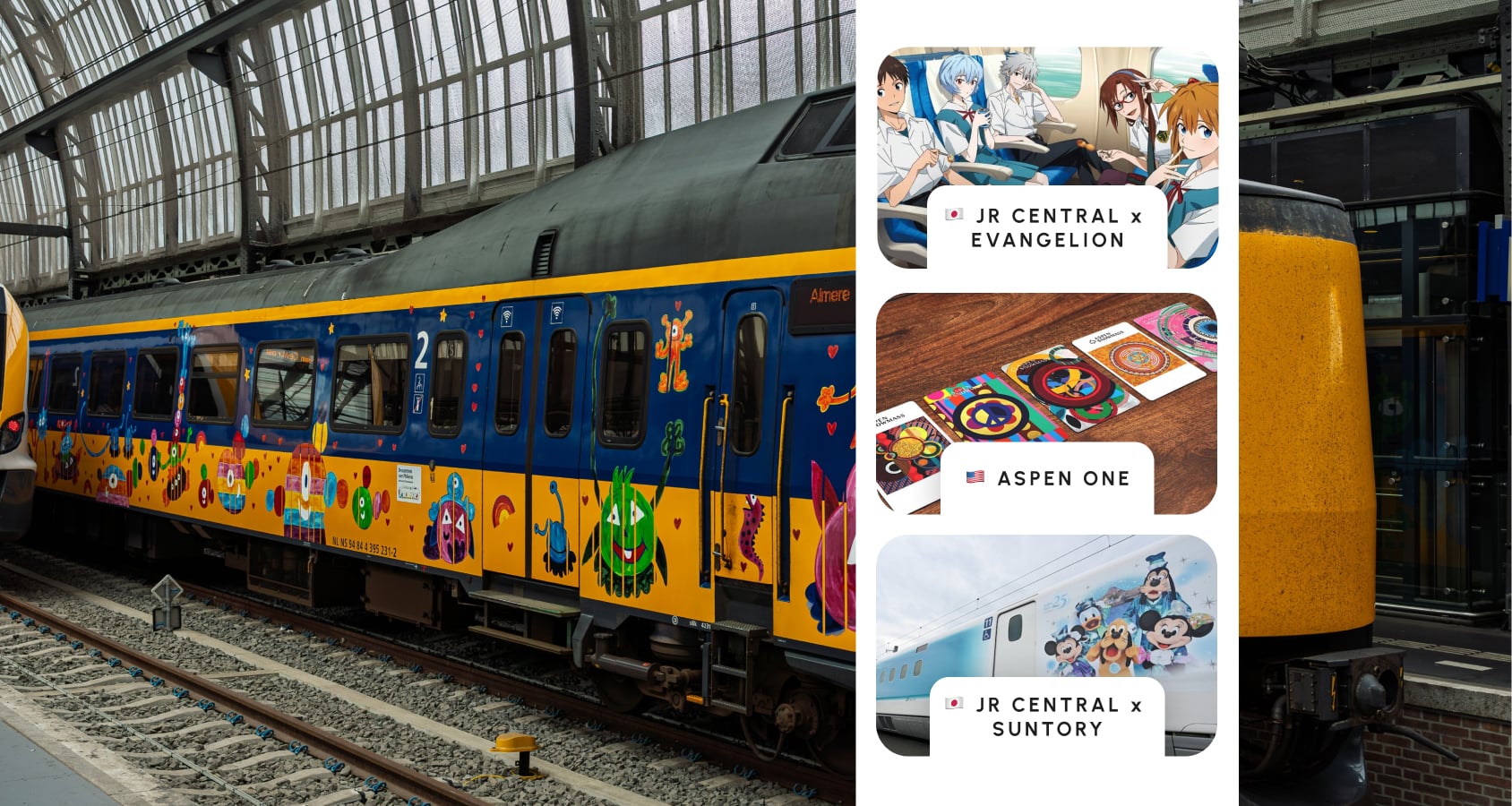
Travel operators are using onboard content, live events and ticket designs to add cultural experiences to their services. These initiatives make the journey, station or access pass part of the experience, alongside the destination itself.

JR Central partnered with Evangelion on an original audio drama available aboard the Tokaido Shinkansen from October 2026 to January 2027. Passengers access it through a campaign website that checks their location and travelling speed. Listeners can obtain a digital ride certificate and exchange it for an acrylic keychain at designated locations in Osaka.

Aspen Snowmass selected Brazilian artist Beatriz Milhazes for its 2026/27 Art in Unexpected Places programme. Her work will appear on lift tickets and Aspen Cards, alongside a large-scale installation at the Silver Queen Gondola station at the base of Aspen Mountain. The programme brings art into the places and objects skiers encounter during their visit.

JR Central and Suntory will host a one-day event on 24 October 2026 in a chartered Tokaido Shinkansen carriage decorated as a Japanese snack bar. The Tokyo-to-Shin-Osaka journey will feature canned Suntory drinks, snacks and live entertainment. The promotion invited Japan residents aged 20 and over to apply for a draw offering places to five pairs of guests.

DOSED SUNLIGHT
15 October 2026

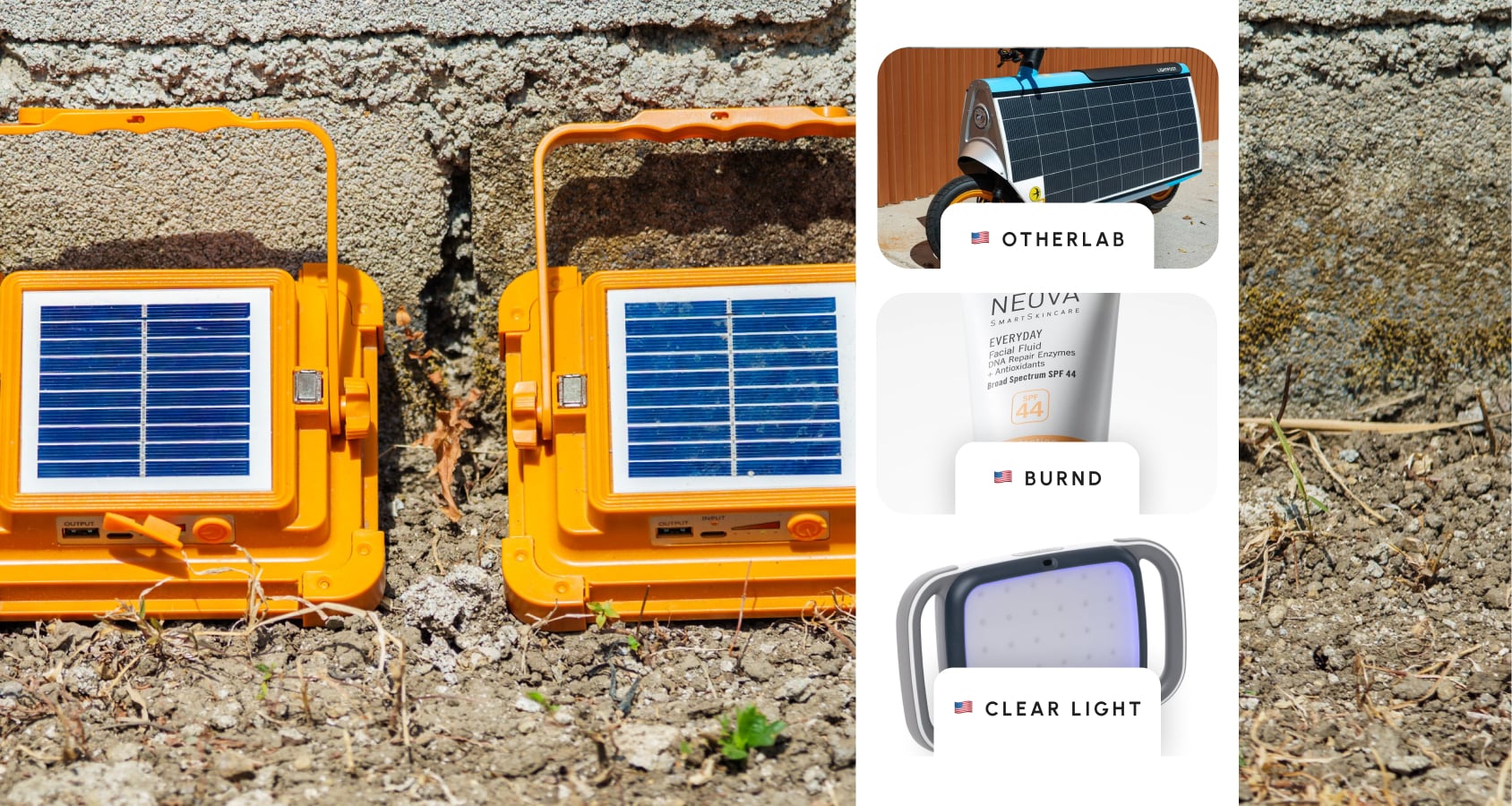
A solar-charging scooter, an enzyme-containing sunscreen and a targeted UVB lamp address different aspects of sunlight. Their functions remain distinct: generating electricity, protecting skin and providing controlled light exposure intended to support vitamin D production.

Otherlab’s Lightfoot electric cargo scooter has built-in solar panels that supplement plug-in charging. The manufacturer says they can add up to 18 miles of range per day in full sun, though the amount depends on conditions. Solar charging can reduce how often riders need to plug in, particularly when daily journeys are short and the scooter spends enough time outdoors.

Burnd launched a tinted, mineral SPF 34 sunscreen containing zinc oxide and photolyase, a light-activated enzyme derived from marine plankton. The USD 45 formula combines broad-spectrum UV protection with a moisturising texture and a sheer tint for everyday wear. Photolyase is studied for its role in repairing UV-related DNA damage.

Clearlight launched SUN ONE, an LED lamp that delivers UVB light with a peak wavelength of 295 nm. Marketed to support the body’s vitamin D production, it includes skin-type-based timing, voice prompts and a distance sensor to guide exposure. It can be used independently or during a Clearlight infrared sauna session, providing UVB exposure without relying on outdoor conditions.

MATCH RATIONING
14 October 2026

Dating and friendship services are offering more focused ways to meet people through individual introductions, small-group gatherings and shared activities. These approaches give users a defined starting point, whether that is considering one potential match, attending a meetup or finding a workout partner.

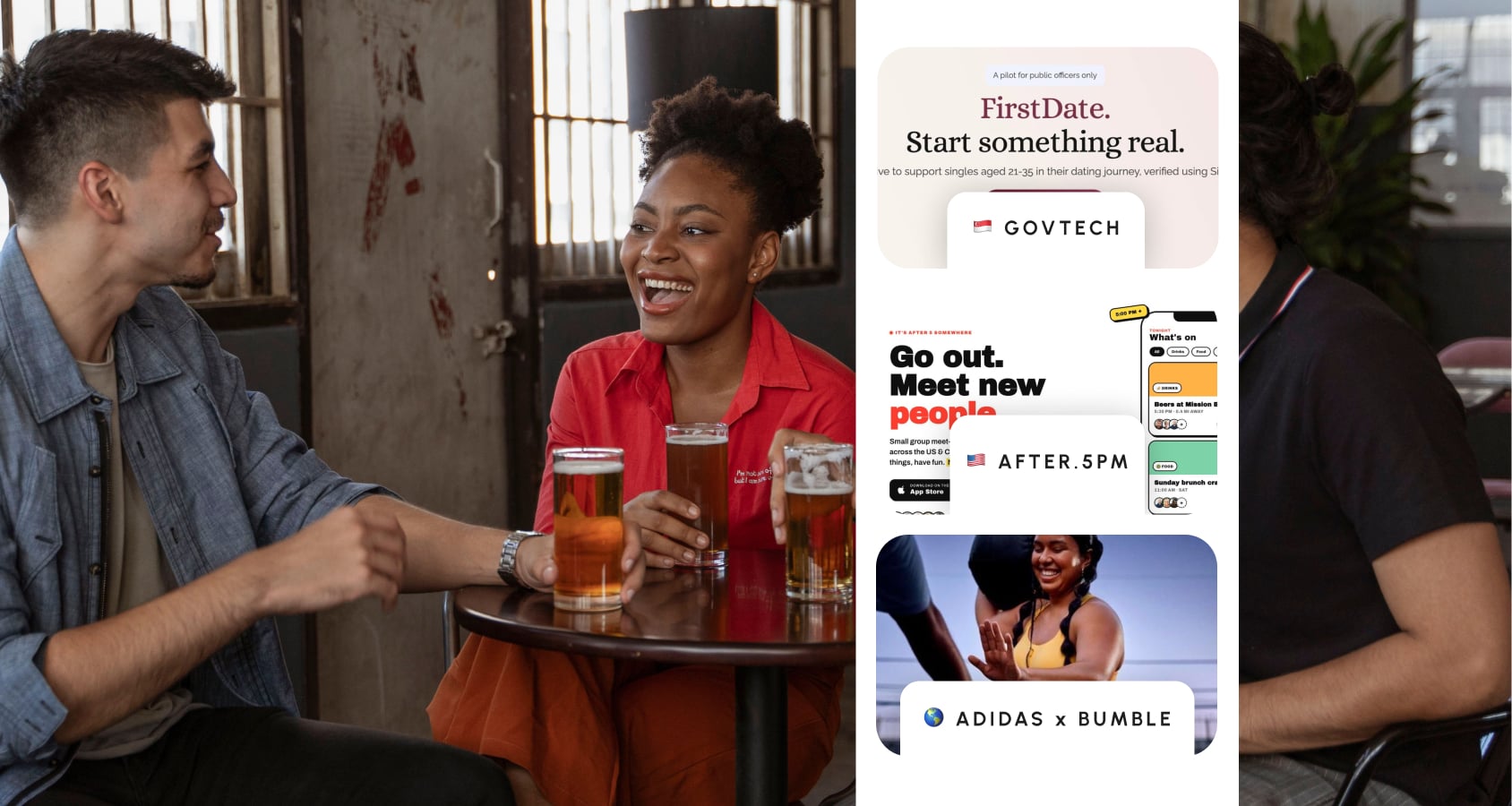
Singapore’s GovTech agency launched FirstDate, a dating pilot for eligible single public officers aged 21–35. The service uses questionnaire responses and the Gale–Shapley matching algorithm to offer one potential match per cycle. The pilot explores whether shared values and preferences, combined with fewer introductions at a time, can encourage participants to give each match more consideration.

After5.pm launched an iOS beta starting in San Francisco, with plans to expand across the US and Canada. The app organises small-group meetups at local venues without swiping or advance messaging. Members join a gathering and meet people in person, making the meetup the starting point of the experience.

Adidas partnered with Bumble in 2024 to introduce a “Gym buddy” interest badge on Bumble, its friendship mode and the Bumble For Friends app. Members could add the badge to their existing profiles to identify others looking for a workout partner. The feature gives people a shared activity to discuss and arrange together.

ACCESS RETROFIT
13 October 2026

AI translation and conversion tools are making existing conversations, announcements and sheet music available in additional languages and formats. Adding these tools to established services can help address specific barriers to communication and participation.

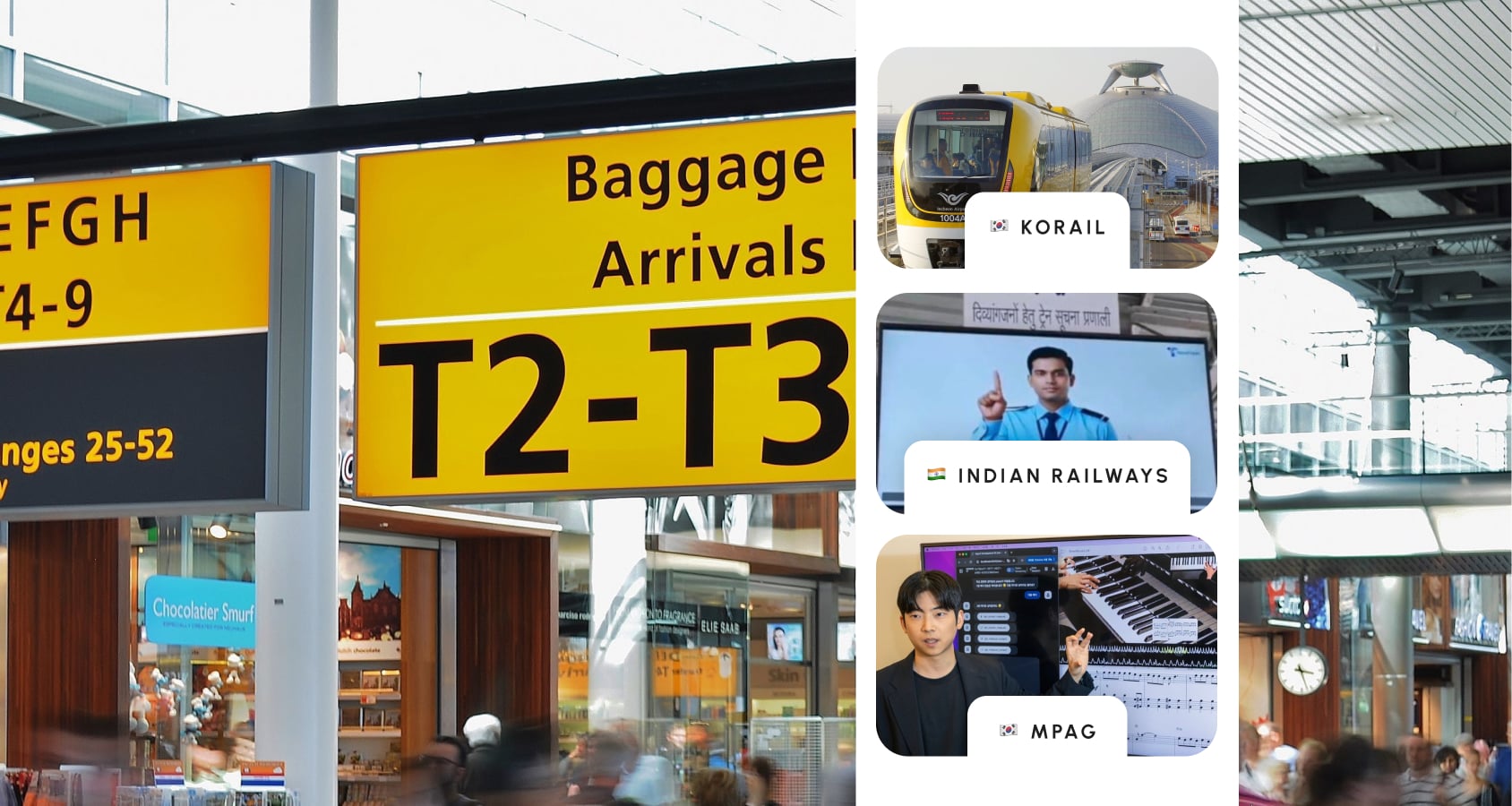
South Korean rail operator Korail has installed transparent, double-sided OLED screens that display real-time translation of conversations between staff and international passengers. Each person can read the translated speech in their own language while speaking face to face. The system helps passengers ask questions and understand responses without needing a shared language.

At Badshahnagar station in Lucknow, Indian Railways uses AI to convert spoken train announcements into Indian Sign Language, displayed on LED screens. The system provides live arrival, departure and platform information for passengers who are deaf or hard of hearing, adding a signed version of information delivered through audio announcements.

Music technology company MPAG has developed an AI service that converts standard sheet music into Braille scores. It plans to introduce MPAG Braille at its “OST Concert for Everyone”, featuring musicians with disabilities, and release Braille scores for every piece on the programme. The service is designed to make sheet music more accessible to musicians who read Braille.

TARGETED CHEMISTRY
12 October 2026

Health and beauty brands are abandoning broad wellness language in favor of naming the exact compound they neutralize, replace, or capture. This is possible now because fermentation and genetic engineering have become cheap and controllable enough to target single molecules rather than offer vague, broad-spectrum support.

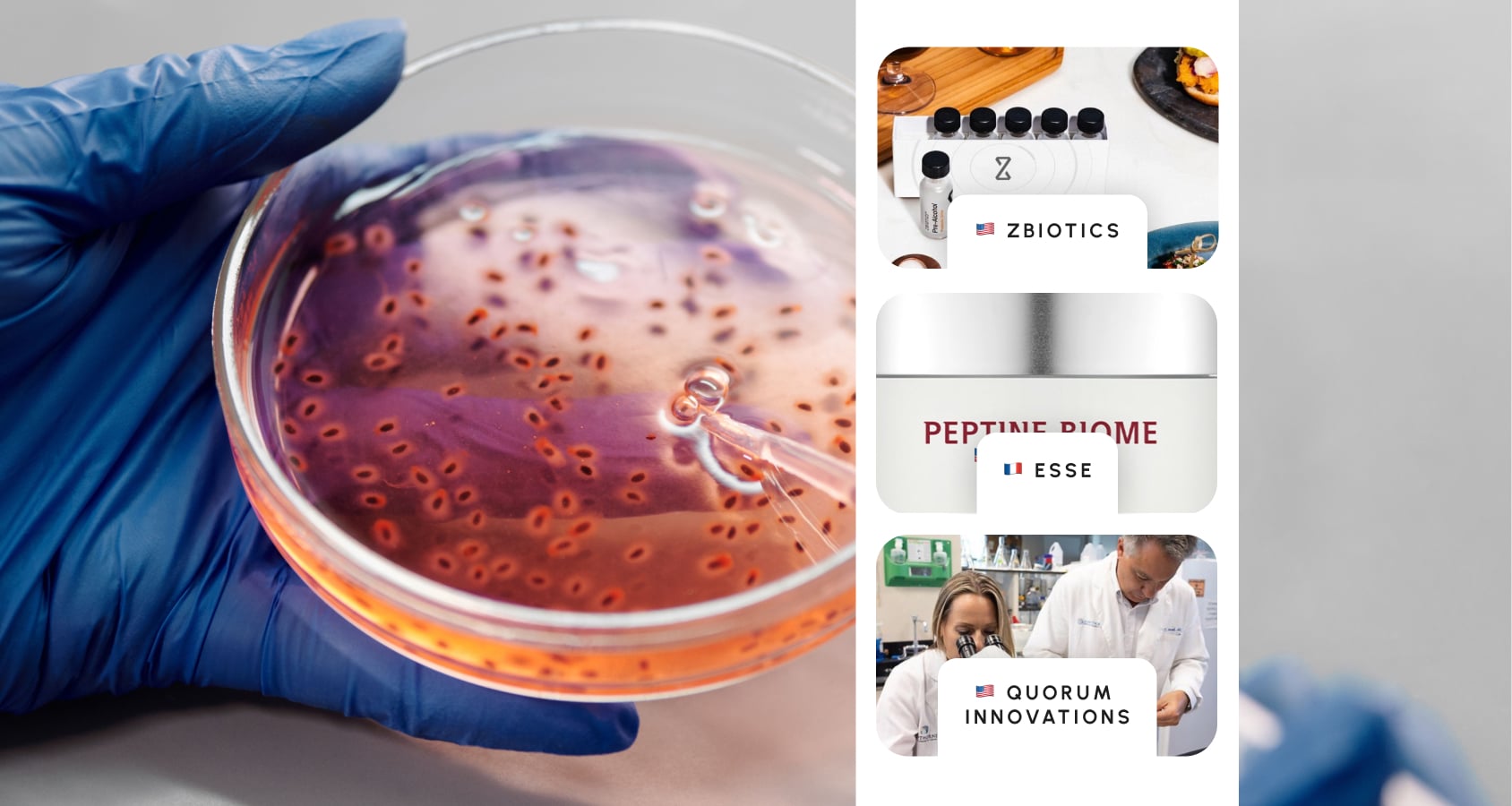
ZBiotics’ pre-alcohol probiotic drink contains genetically engineered bacteria designed to break down acetaldehyde, a byproduct of alcohol metabolism, in the gut. The bacteria produce an enzyme that acts on this specific compound. This gives the product a defined mechanism, although that alone does not establish its effectiveness in preventing next-day discomfort.

South African skincare brand Esse launched Barrier Rescue, a moisturiser formulated with fermentation-derived propionic acid supplied by Afyren. The ingredient provides an alternative to petrochemical-derived propionic acid, changing the production route while retaining the same molecule. The cream combines propionic acid with ceramides to support the skin barrier.

A peer-reviewed study investigated whether Quorum Innovations’ Qi601 postbiotic could bind microplastics and nanoplastics. Laboratory tests found that it reduced plastic-particle interaction with intestinal cells, including particles entering those cells. A human proof-of-concept experiment also demonstrated binding to microplastics released during gum chewing in the mouth.

HEDGED HARDWARE
9 October 2026

Vehicle makers are building flexibility into trailers, commercial vehicles and powertrains. Interchangeable living sections, adaptable chassis and hybrid systems allow one vehicle to accommodate changing space requirements, specialist uses or different driving conditions.

Dutch camper brand Campanero has designed a modular tent trailer with interchangeable living sections on one base chassis. Owners can unzip one section and replace it with another, choosing configurations for two, four or up to six people. This allows them to change the trailer’s capacity without replacing the whole vehicle.

Kia’s PV5 Chassis Cab is an electric commercial vehicle supplied with a cab and a rear chassis ready for conversion. It can accommodate bodies such as refrigerated boxes, mobile workshops and tippers, with conversions available through Kia and certified partners. The shared base allows businesses to choose a body suited to their work.

Chery’s forthcoming Stockman pickup for Australia combines a 2.5-litre turbo-diesel engine with a 34-kWh battery and an electric motor. Its indicative specifications list 96 km of electric range under the WLTC test cycle and a braked towing capacity of 3,495 kg. The plug-in hybrid system offers electric driving for shorter journeys alongside diesel operation for trips where charging may be less accessible.

EASY OUT
8 October 2026

For years, the exit has been where businesses kept the upper hand, through retention calls, hidden cancel buttons and disrupted journeys that passengers had to sort out alone. That is starting to change. For any organisation running subscriptions, disruption-prone services or public spaces, getting out, rebooking or getting help now needs to be as easy as getting in.

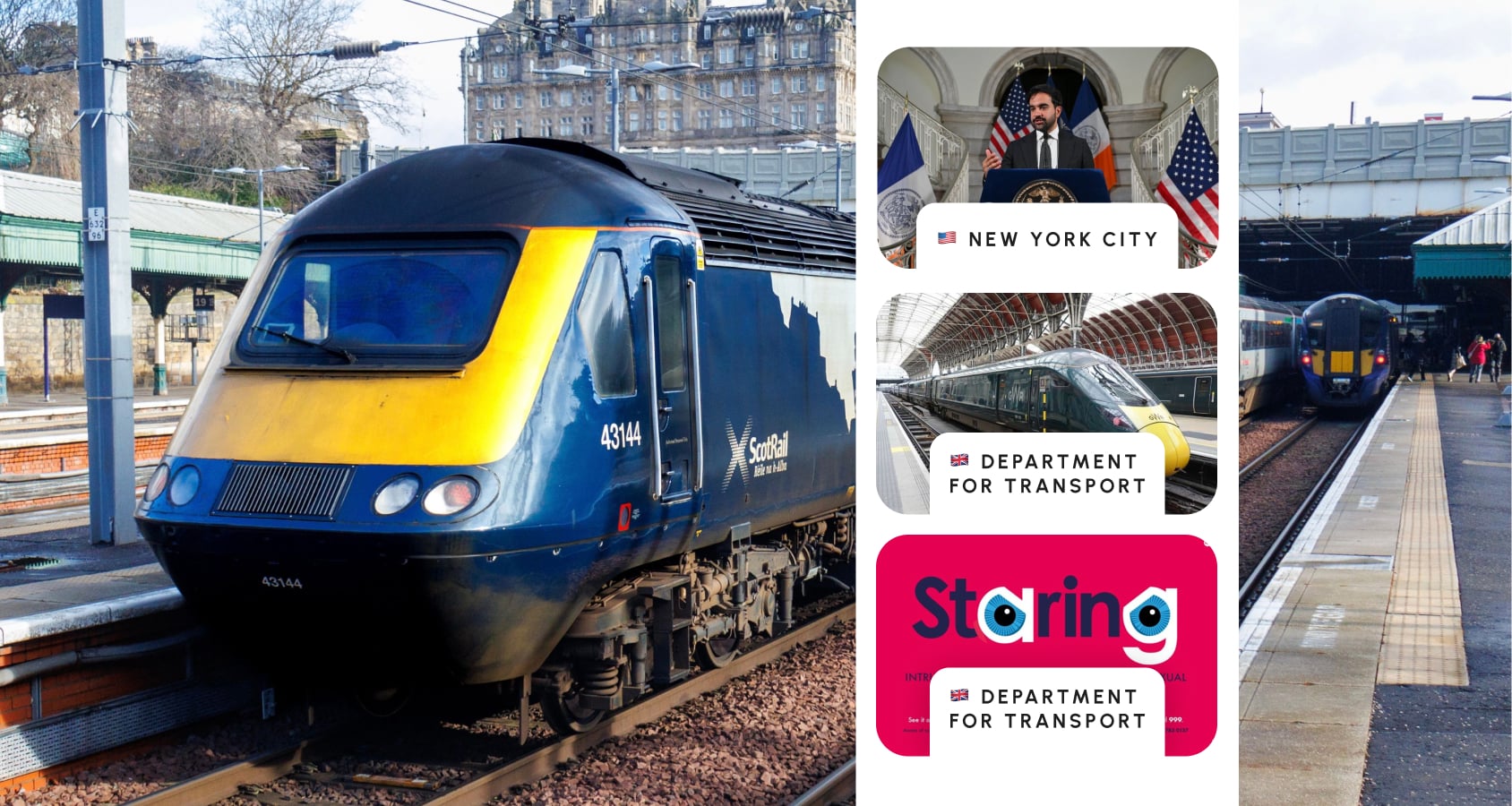
New York City's Click-to-Cancel rule requires any business selling subscriptions to make cancellation at least as simple as signing up. No more hunting through settings menus or sitting through retention pitches designed to outlast patience. The rule carries fines for noncompliance and a public complaint portal, giving regulators a direct line to consumer frustration. 

The UK's Department for Transport now allows passengers whose train has been cancelled to board another operator's service at no extra cost, effective from September 2026. There is no approval form, no need to phone around comparing fares and platforms mid-disruption. The responsibility for getting someone to their destination has moved from the stranded traveler to the rail network as a whole. 

The Rail Delivery Group, the UK rail industry's membership body, has introduced a Safer Railway Scheme in which operators earn accreditation assessed by the British Transport Police for how they prevent and respond to sexual harassment. Reporting an incident stops being an act of persistence by the victim and becomes a standard operators are measured against.

7 October 2026

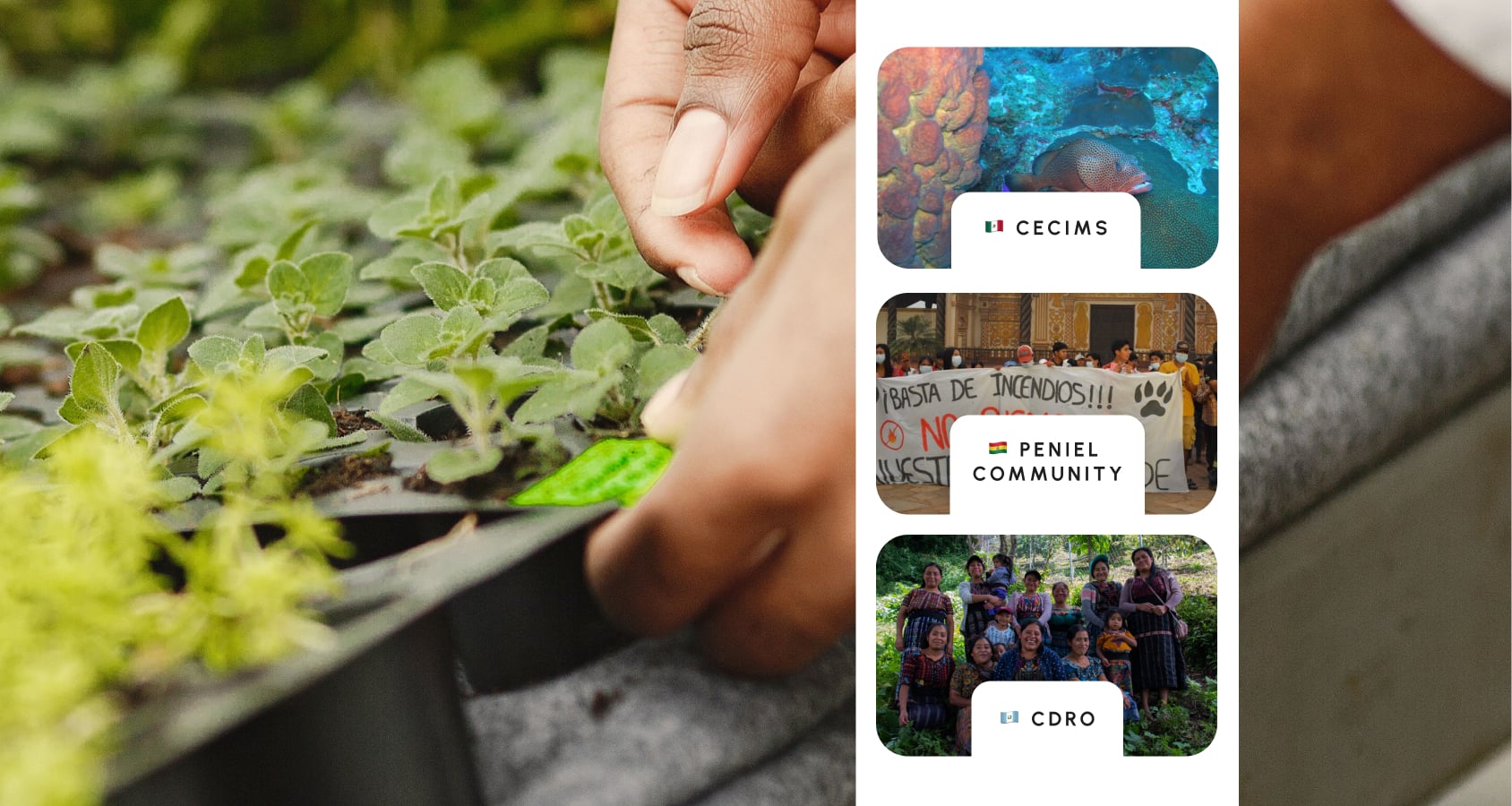
Environmental data is most useful when it reflects local conditions and reaches people in time to act. In Mexico, Bolivia and Guatemala, community organisations are collecting and interpreting data themselves. Their monitoring supports decisions about fishing, agricultural burning and crop protection.

In Punta Allen, Mexico, the community-run monitoring centre CECIMS uses hydrophones to listen for Caribbean grouper spawning aggregations. The acoustic data helps residents identify when and where the fish reproduce, supporting decisions about fishing refuge zones during spawning periods. The recordings also contribute to longer-term monitoring of changing marine conditions.

In Bolivia’s Chiquitano forest, the Peniel Community built a weather station and a colour-coded wooden board that residents consult each morning. The board translates temperature, humidity and wind readings into guidance on whether conditions are suitable for agricultural burning. It gives farmers a locally managed process for reducing the risk of an uncontrolled fire.

In Totonicapán, Guatemala, CDRO trains young Indigenous K’iche’ residents as climate promoters. They interpret weather-station data and turn it into accessible bulletins about frost, drought and extreme temperatures. The information reaches farming communities through people who understand the local language, conditions and agricultural practices.

SANDBOX FLAGSHIPS
6 October 2026

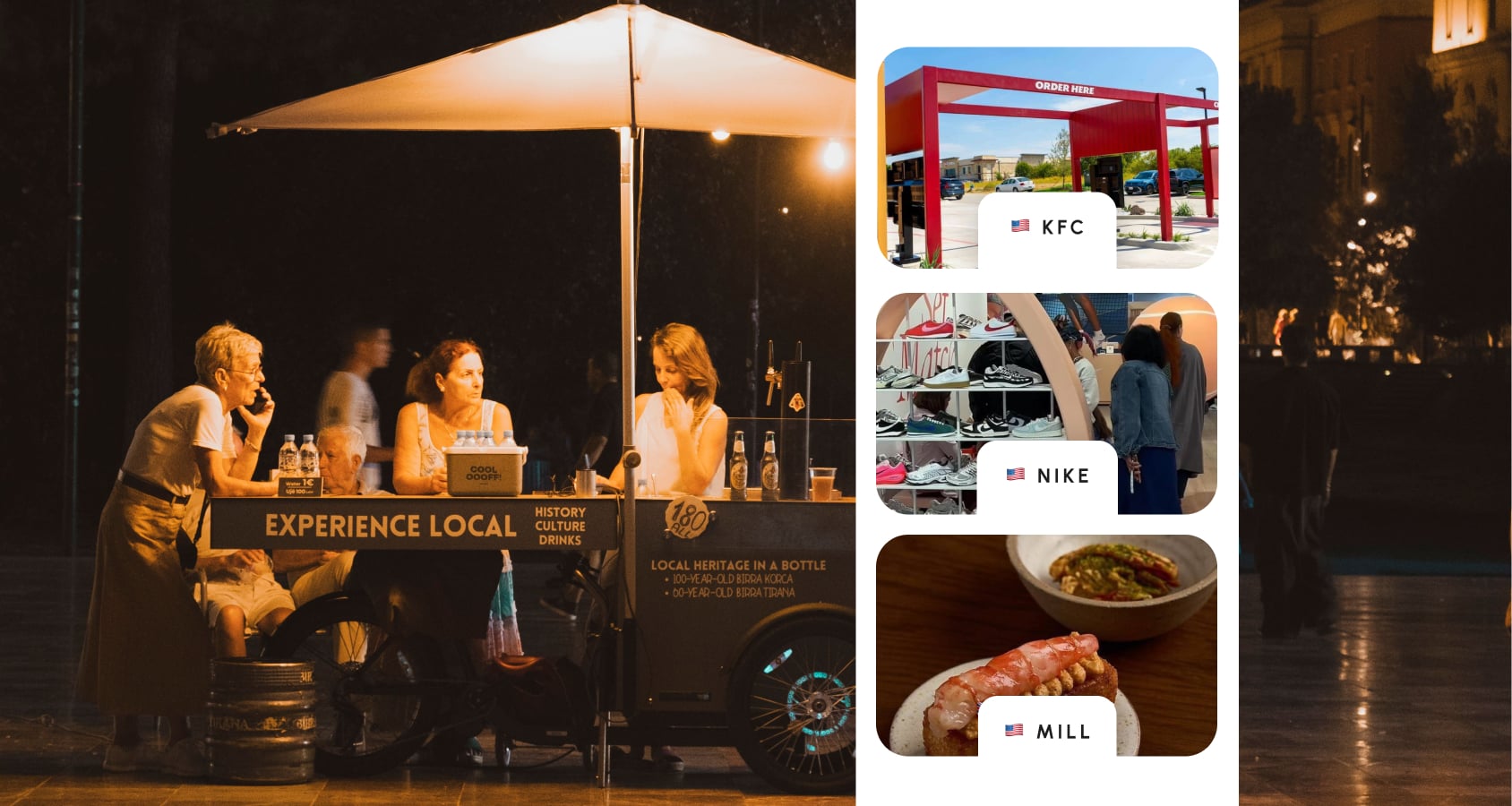
A single restaurant, a temporary store and a themed dining week give businesses a limited setting in which to test or demonstrate a broader strategy. KFC, Nike and Mill are using physical experiences to show how operational and sustainability ideas work in practice before deciding what comes next.

KFC opened Open House, a redesigned restaurant concept in McKinney, Texas. The location combines midcentury styling with a streamlined kitchen and a larger dine-in area. KFC is treating it as a trial, using one restaurant to assess the format before considering a wider US rollout.

Nike opened a temporary Manhattan store that brought trade-in, vintage resale, repair, cleaning and recycling services together in one place. The pop-up gave shoppers a direct way to participate in the company’s circular initiatives rather than encounter them separately or read about them in a sustainability report.

Food-recycling company Mill organised Make Food Not Waste Restaurant Week across New York. Participating restaurants created special menus using ingredients that might otherwise have been discarded. The event turned food-waste reduction into something diners could experience through an ordinary restaurant visit.

DEFAULT AUDIT
5 October 2026

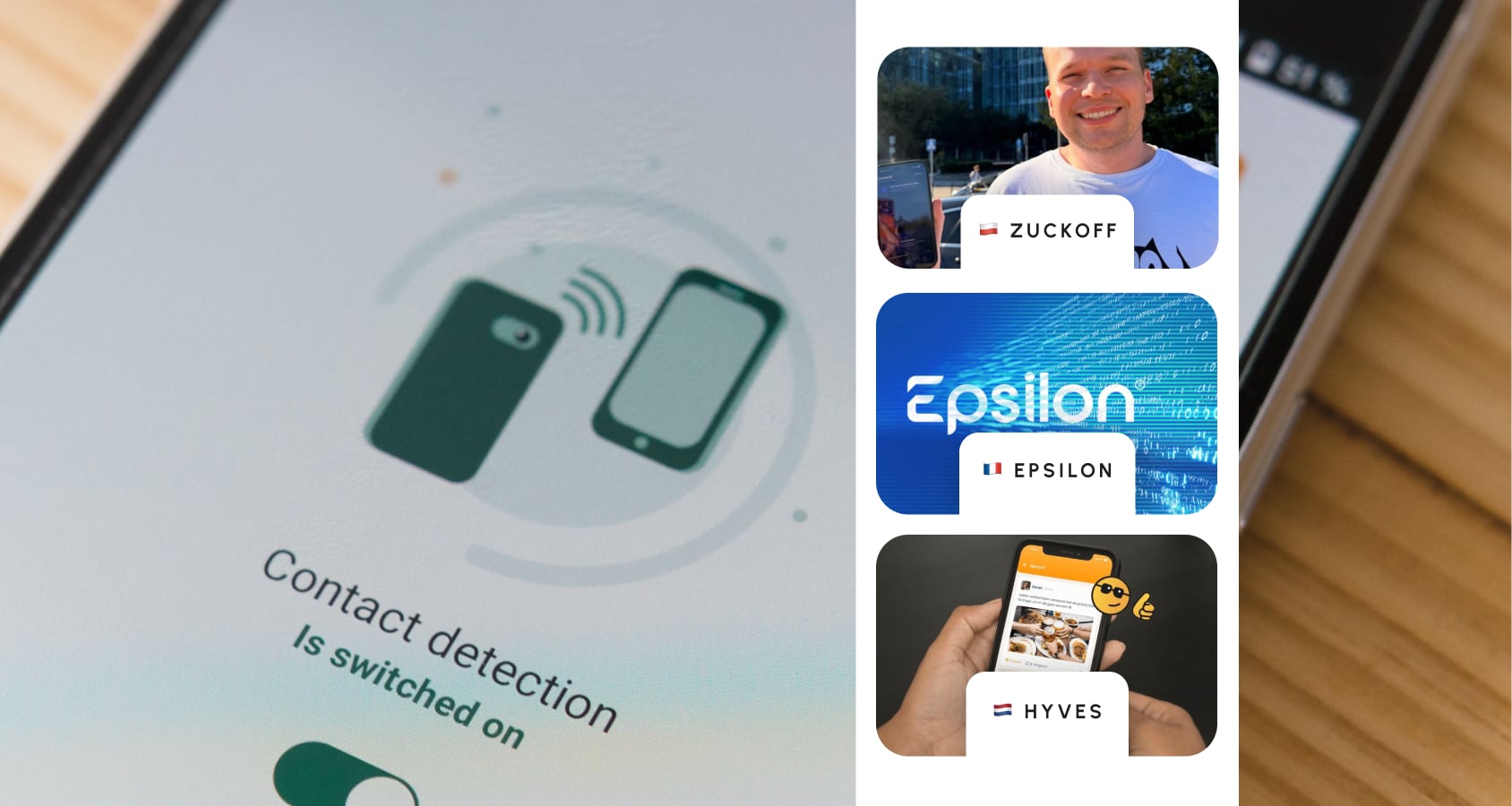
Recording devices, algorithmic feeds and data resale often operate without people seeing or actively choosing them. Zuckoff, Epsilon and Hyves challenge these defaults in different ways: one helps people identify nearby camera-equipped glasses, while the other two position user control and privacy as central parts of their social networks.

Zuckoff uses Bluetooth signals to alert users when camera-equipped smart glasses, including Ray-Ban Meta and Snap Spectacles, may be nearby. The app also shows the evidence behind each alert, allowing users to assess the detection themselves. It does not establish whether someone is recording, but it makes the presence of a potentially recording device easier to identify.

France-based Epsilon launched with GDPR compliance, no data resale and no engagement-optimised algorithms as part of its main proposition. Rather than presenting privacy controls as optional settings, the platform states how it handles data and content from the outset. Epsilon tests whether people will choose a social network partly for the practices it excludes.

Netherlands-based Hyves is returning with an emphasis on user control and data ownership. The platform positions itself against algorithmic feeds and endless scrolling, making those differences part of its relaunch. Its return will help show whether dissatisfaction with established social platforms can translate into sustained use of an alternative.

Back to Top