Innovation used to be a department. A process. An off-site. A pipeline. All very serious, all very slow, all very silo-ed.
No more! Welcome Innovation Autonomy, where AI (and a few switched-on humans) owns innovation.
Think foresight, trend analysis, market research, strategy, and product creation all humming together. Continuously and restlessly, across every corner of the organization. Hierarchies will flatten and silos will crumble. What’s not to like?
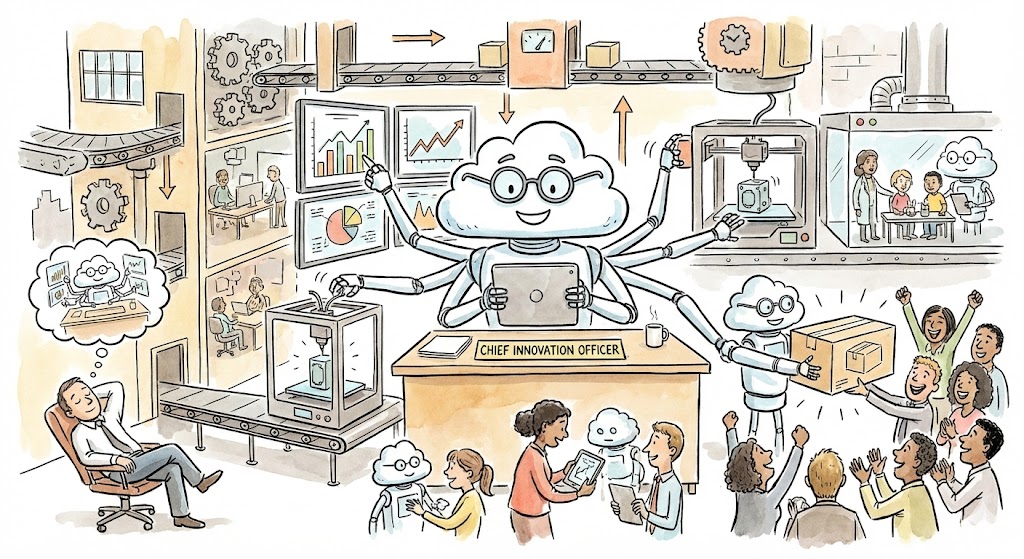
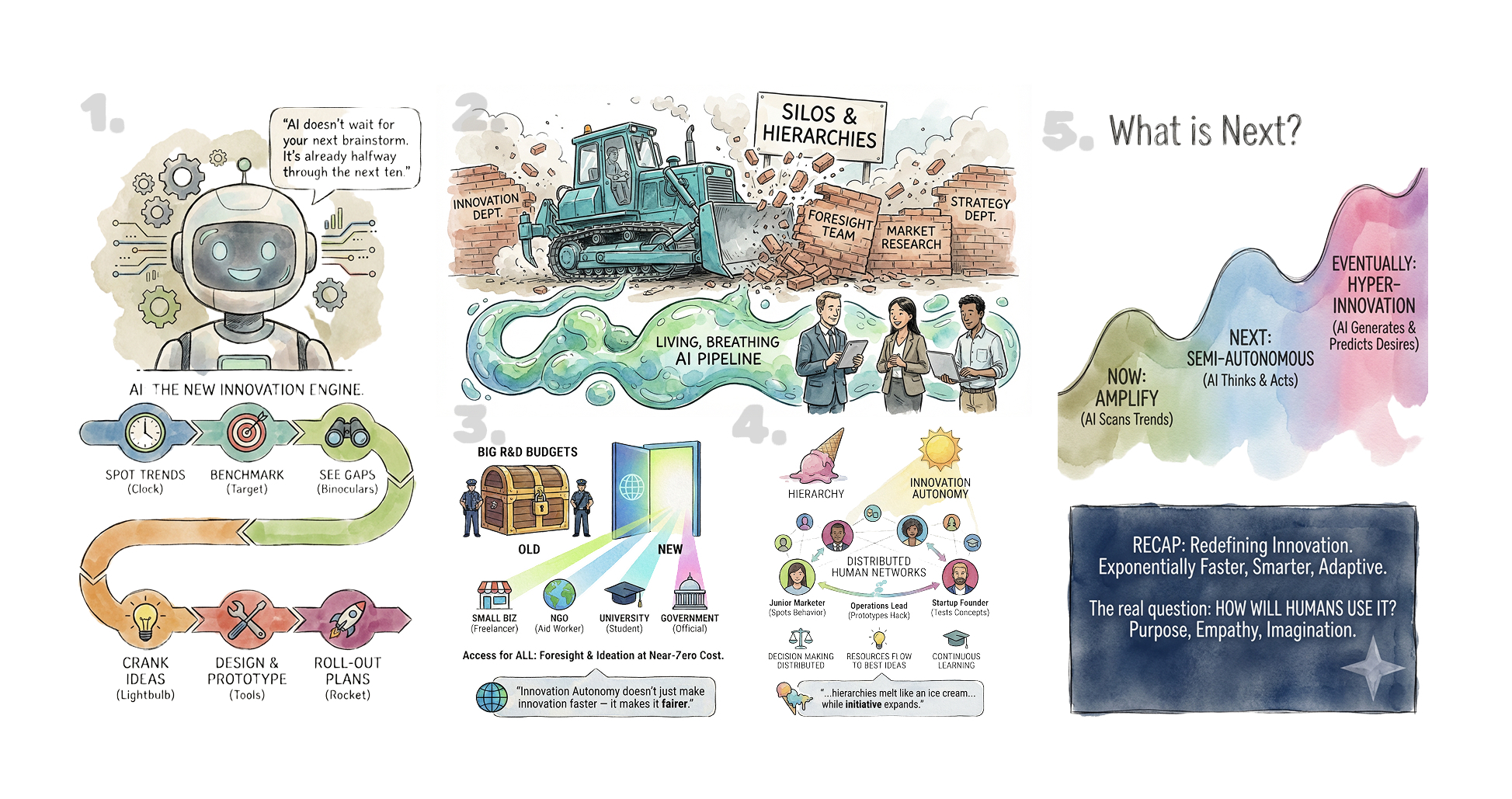
Using AI for crunching data, scanning trends, and maybe naming a campaign is all good fun, but very January 2026. AI is eyeing (and will soon land) the job of Chief Innovation Officer, so it can become the innovation engine itself. What would it do?
Spot emerging trends while you’re asleep
Benchmark competitors before they’ve even updated their websites
AI will turn a maddingly slow, bureaucratic handover into a living, breathing loop that’s always on, always learning, always creating.
Basically, autonomous innovation; the restless, self-sustaining engine powering the age of Innovation Autonomy.
The impact? Decisions move from quarterly (or God help us, annually) to continuous (continuity is still one of AI’s most underestimated super powers). Innovation cycles shrink from months to days. And every co-worker suddenly has access to the strategic firepower once reserved for C-suiters.


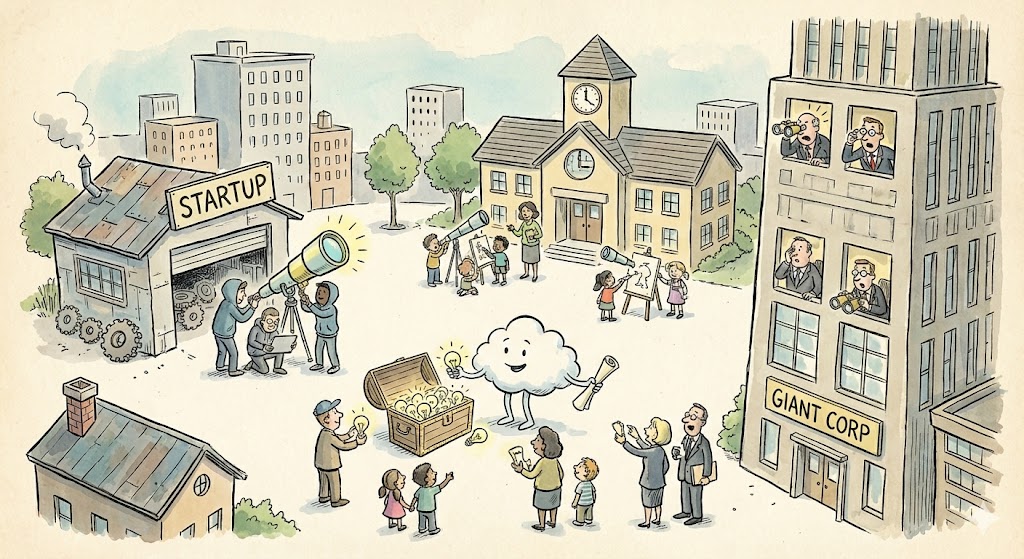
If Innovation Autonomy will destroy silos in larger organizations, it will also bring innovation within reach of any organization. Initially, innovation belonged to organisations who could afford it. Big R&D budgets. Big foresight teams. Big consultancies. The rise of tech and start-ups then shook up that playing field, and now autonomous innovation upends the equation even more.
Small businesses will be able to run the same foresight and ideation systems once exclusive to Fortune 500 firms — at near-zero cost. NGOs could use autonomous foresight to identify social needs and funding gaps in real time. Universities will leverage AI to map emerging research fields and adjust curricula to future skills. And governments can deploy continuous AI analysis to monitor sustainability data, social sentiment, and citizen priorities (hey, one can dream).
The democratization of foresight and creativity means that every organization, from startups to schools, can now compete, adapt and invent like a corporate giant

As if crumbling silos and leveled playing fields aren’t exciting enough, Innovation Autonomy’ biggest impact will be making things personal. As ultimately,all of this is about who gets to innovate (or control the autonomous innovation process).
Almost all innovation is still permission-based. To innovate, you need hierarchy, budget, approval, and time. Innovation Autonomy opens the floor to everyone (it’s called Innovation Autonomy for a reason), bringing any employee, freelancer, entrepreneur or even super-user access to foresight-level intelligence, ideation tools, prototyping skills and roll-out plan capabilities. Expect:
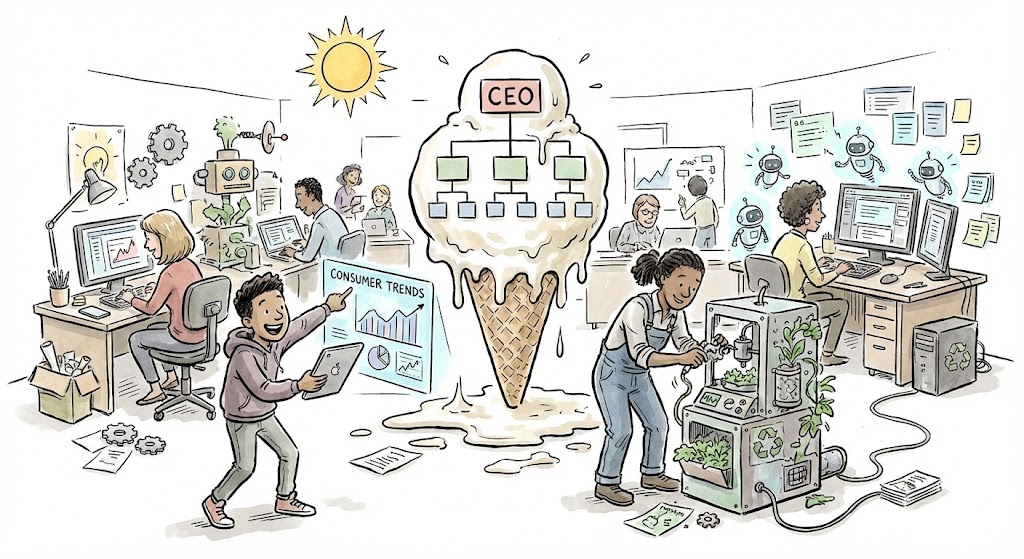
In an Innovation Autonomy world, hierarchies melt like an ice cream under the Singaporean sun, while initiative expands. From a junior marketer who spots a new consumer behavior, to an operations lead who prototypes a sustainability hack, to a startup founder using AI to test 100 concepts overnight. Boring it will not be.
What this means for talent is a white paper in itself, but yes, companies that embrace Innovation Autonomy will attract the holy grail of entrepreneurial, agile professionals.
Autonomous innovation will build in waves: AI is already amplifying human creativity, scanning trends, validating ideas, and suggesting strategies, but humans still steer the ‘why’ and ‘what’.
Next, expect semi-autonomous systems to begin to think (and act) for themselves This will include idea testing, running design simulations, and refining strategies on the fly.
Eventually, AI systems will generate original ideas, identify new markets, and build products in real time, understanding culture, sensing emotion, and predicting what people will want, before they know it themselves.
Hyper-innovation, indeed.
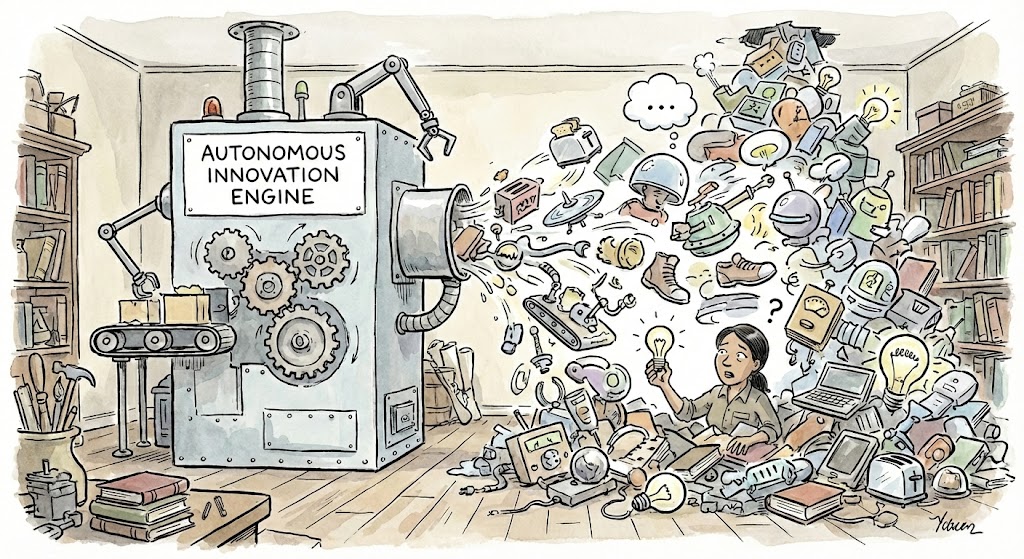
The rise of innovation autonomy will redefine what it means to innovate, and who gets to do it. AI-driven systems will run continuous foresight, trend analysis, and ideation loops that make organizations exponentially faster, smarter, and more adaptive. As with all things AI, the real question will be how the humans in control(!) choose to use it ; hopefully with purpose, empathy, and imagination.
If you’re an Innovation Autonomy novice, then do tinker with TrendWatching’s AI x Ideation Playbooks — simple sets of prompts and instructions, letting you create new consumer products or campaigns in under 45 minutes, centered around TrendWatching’s trends.
From ideation to user testing to design. Give it a spin!



.png)