MANDATED CLEAN
23 September 2026

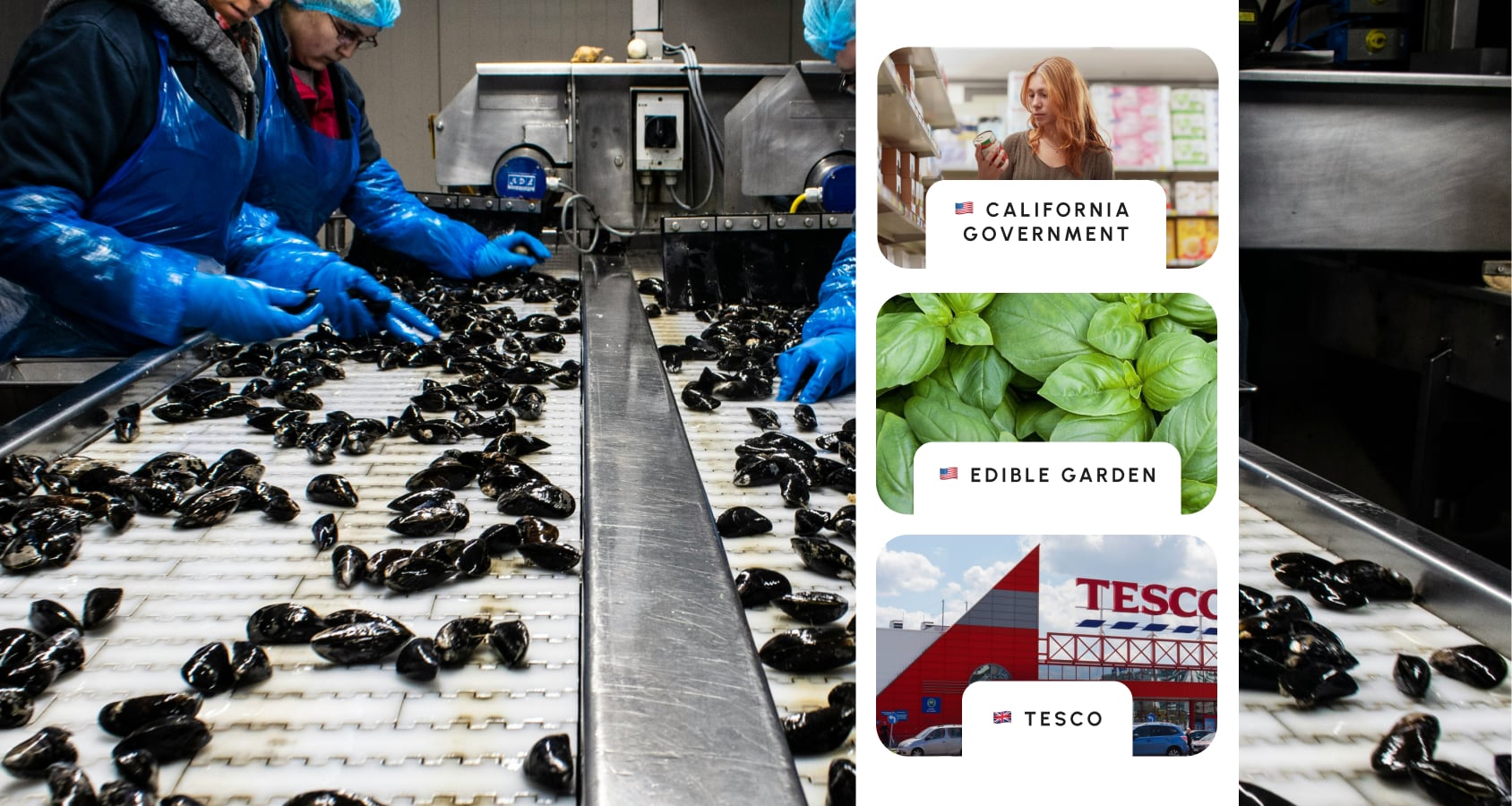
Claims about processing, ingredients and production methods are moving beyond packaging and into regulation, third-party verification and retailer procurement. California, Edible Garden and Tesco show three different ways that “clean” credentials are being defined and enforced. Products increasingly need evidence that regulators, certifiers or retail buyers can inspect.

California Government has passed the first statewide law creating a voluntary certification for non-ultraprocessed food. Large grocery stores must give certified products prominent shelf space. The law connects a processing claim to both a formal standard and a retail requirement, making visibility part of how the category is supported.

Edible Garden has secured the first controlled-environment agriculture industry verification for its USDA Organic basil. The indoor-grown herb is shipping through Wakefern for distribution across participating ShopRite stores. The additional verification documents how and where the basil was grown, giving retailers and shoppers evidence behind the production claim.

Tesco has removed or restricted 114 additives from its private-label food products, including artificial colours, aspartame and MSG. The retailer is applying its own ingredient policy as a condition for producing its private-label range. Suppliers must review formulations and provide the information needed to meet Tesco’s procurement standards.

VERTICAL SUPPLY CHAIN
22 September 2026

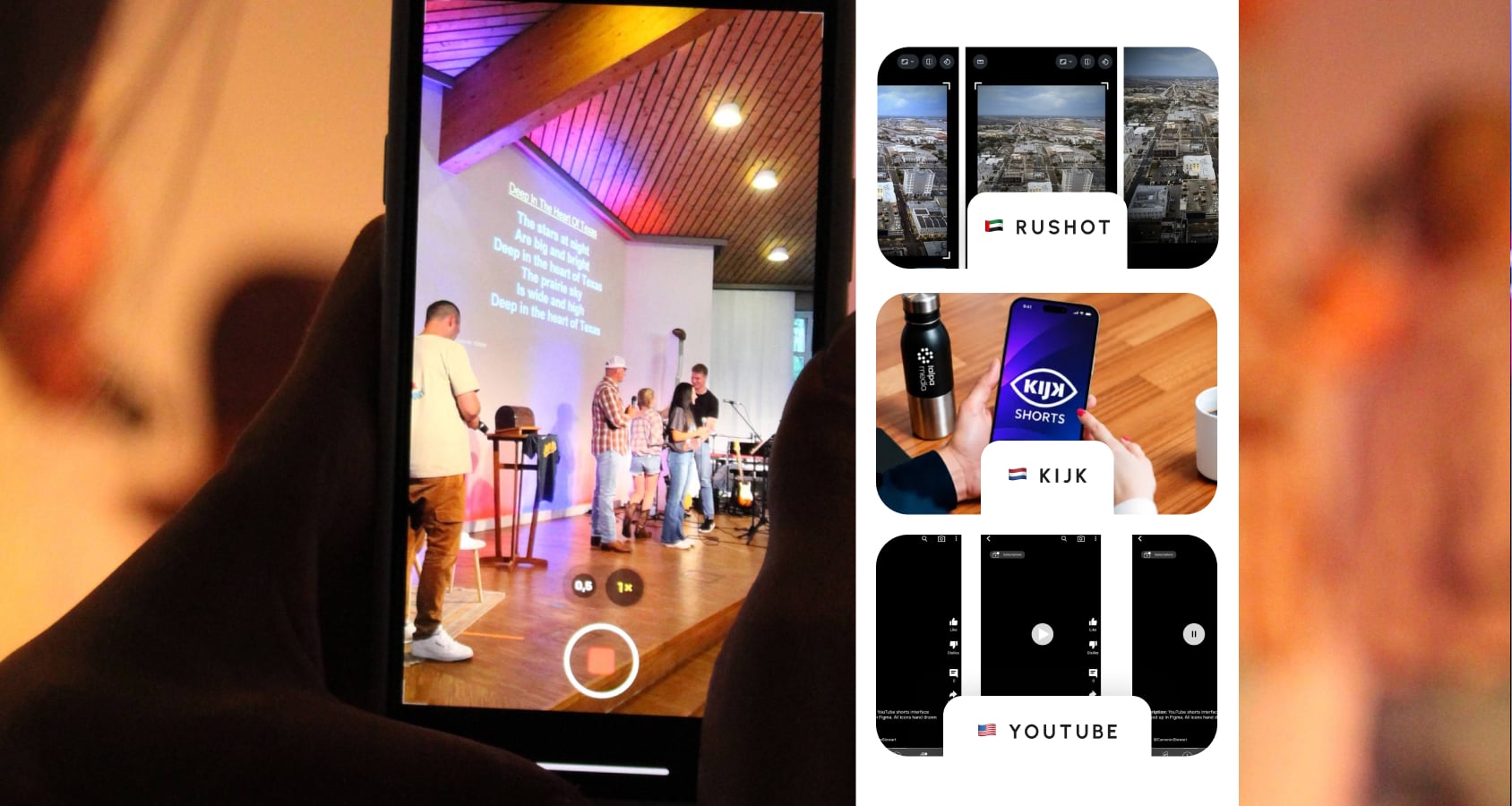
New tools are emerging at each stage of vertical video production. Rushot helps users find local creative talent, KIJK has created a dedicated environment for vertical programming and advertising, and YouTube provides feedback before a Short is published. Together, they show how production, distribution and review are adapting to the format.

Dubai-based Rushot connects users with nearby professional videographers and photographers who can deliver polished social content within hours. A business or creator can request a shoot through the app instead of spending days finding and booking a local crew. Rushot makes speed and local availability part of the production service.

Dutch streaming platform KIJK has launched Shorts, a free, mobile-first environment for vertical episodes based on its drama, reality and entertainment programming. It also supports branded-content and co-production deals, giving advertisers access to inventory created specifically for vertical viewing. KIJK is building the format into its distribution and commercial model.

YouTube has introduced a Shorts tool that reviews a creator’s opening hook, pacing and visuals against patterns found in high-performing content. It then suggests changes before the video is published. The tool adds a feedback stage to the publishing process, allowing creators to assess an edit before it enters the feed.

MOUTHFEEL ENGINEERING
21 September 2026

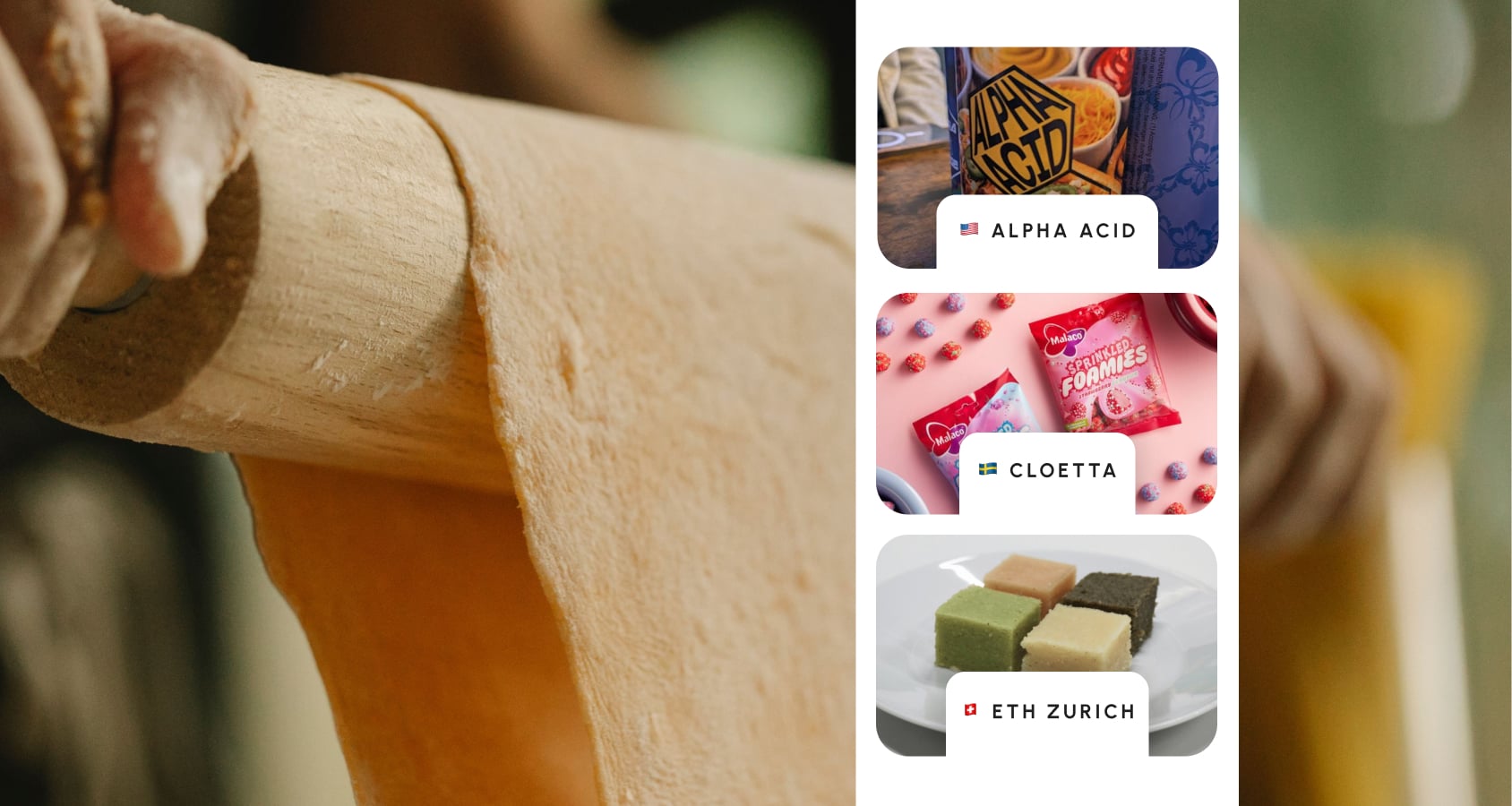
Food and drink developers are using texture to create new experiences with familiar ingredients. Some borrow a recognisable tactile quality from another category, while others restructure ingredients to produce a different bite or chew. The result is another route to product innovation alongside new flavours and formulations.

North American brewery Alpha Acid released Bobahead, a limited-edition beer containing 60 grams of popping boba pearls hand-loaded into each can. The pearls bring the characteristic pop of bubble tea into a carbonated beer. The product shows how a familiar format from one drinks category can give another a distinctive texture.

Swedish confectioner Cloetta launched Sprinkled Foamies in Sour Bubblegum and Strawberry flavours. Each sweet combines a soft marshmallow centre with a crunchy sprinkle coating, creating contrast within a single bite. The texture changes as it is eaten, giving the product a point of difference beyond flavour alone.

ETH Zurich developed a freeze-structuring process that uses water and freezing to turn whole peas, beans or lentils into a fibrous, meat-like product. The process keeps the legumes whole rather than separating them into protein isolates, while creating the chew associated with meat. This could offer a different route to plant-based products for consumers concerned about heavily processed meat alternatives.

DESTINATION PREVIEW
18 September 2026

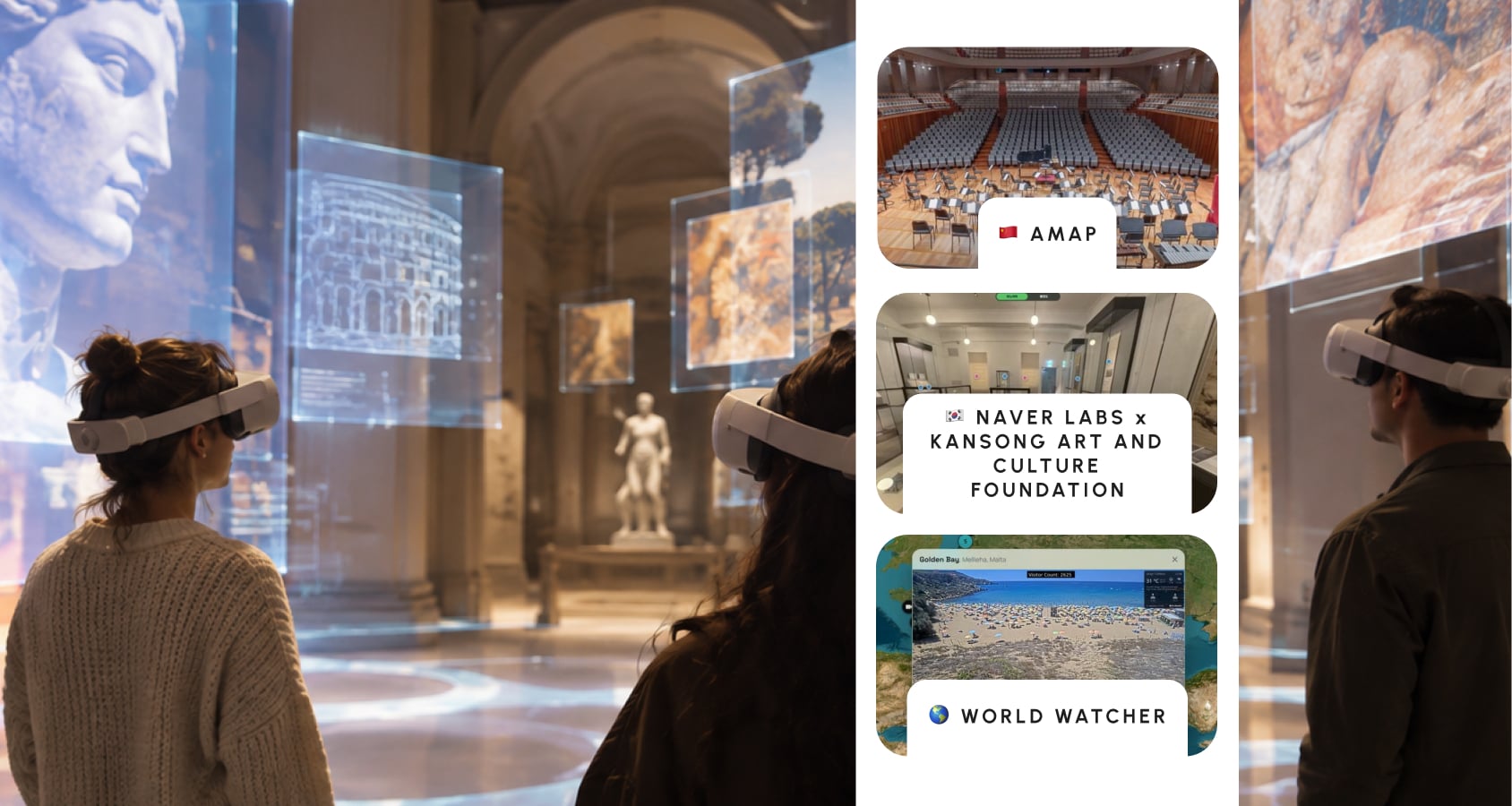
Maps, museum websites and live-camera platforms are making physical places accessible before a visit, after it or without one at all. As 3D modelling and camera-feed aggregation become more accessible, digital previews are developing into experiences in their own right. For tourism boards, museums and other organisations tied to physical locations, the online version of a place can now attract an audience of its own.

Amap’s Street Stars app, a local discovery and navigation service used across China, has upgraded its 3D urban world model with ABot-Earth 0.7. Users can explore a destination in 3D and access real-time navigation from the same interface. This brings planning and wayfinding into one experience, allowing people to become familiar with a neighbourhood before moving through it in person.

Naver Labs and the Kansong Art and Culture Foundation have created a VR tour of the Kansong Art Museum. The digital twin recreates the museum’s galleries and artefacts, allowing people to browse the collection on a PC or mobile device. Access is no longer limited by opening hours, ticket availability or the exhibition currently installed in the physical museum. The digital version gives the collection a permanent space beyond the building.

World Watcher brings public live-camera feeds from around the world together on an interactive map. Visitors can choose a location or select the Explore button, which opens a random feed without asking them to pick a destination first. The platform turns live views of cities, landscapes and public spaces into a form of open-ended discovery that requires no itinerary or travel budget.

PARTIAL PRESENCE
17 September 2026

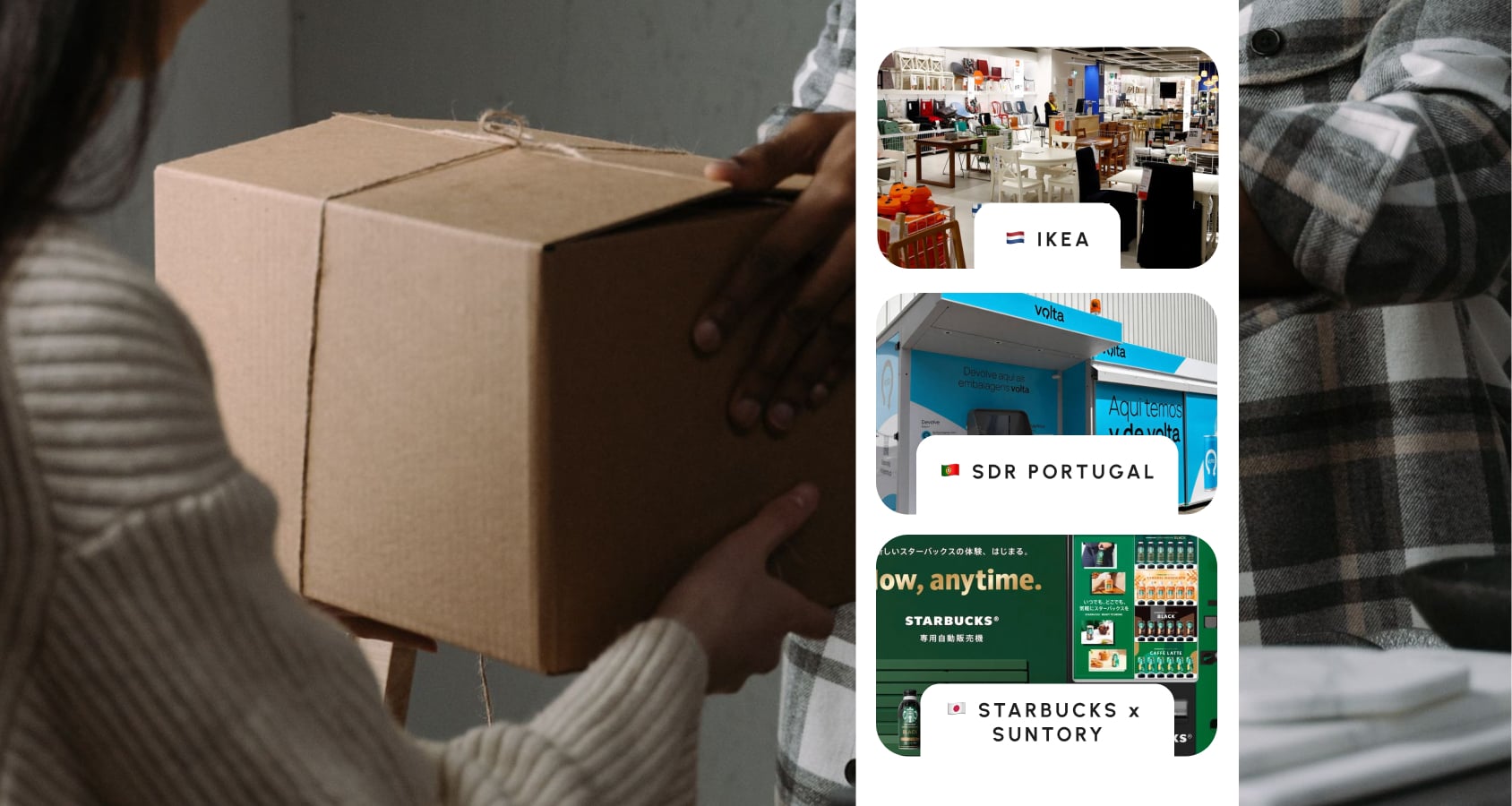
Furniture returns, deposit refunds and coffee purchases are moving beyond the buildings that once housed them. Self-service hardware and partner networks can now support more services without a full store or dedicated team. This gives brands a way to reach people in places they already visit, while saving customers a special trip.

IKEA has piloted its furniture buyback programme through Droppie, a Dutch recycling chain. The service previously required customers to visit an IKEA store. Now, they can bring used IKEA furniture to a Droppie location and receive a gift card in return, without travelling to an IKEA showroom. The pilot shows how a retailer can take one part of its in-store service and hand it to a specialist partner while preserving its value for customers.

SDR Portugal is introducing high-capacity Volta kiosks designed for hospitality businesses rather than individual consumers. Each machine can process up to 120 bottles a minute, allowing bars and restaurants to return beverage containers in bulk and receive the 10-cent deposit refunds through an app. The format suggests that deposit-return systems are developing separate infrastructure for different users: standard machines for the public and higher-capacity collection points for businesses.

Starbucks and Suntory have launched the coffee chain’s first dedicated vending machines in Japan. Stocked with four ready-to-drink products, including limited-edition flavours, the machines place Starbucks coffee in train stations, offices and other locations that may not support a full café. Vending becomes a standalone distribution channel, allowing Starbucks to extend its presence through machines as well as physical stores.

PERCEPTION FIRST
16 September 2026

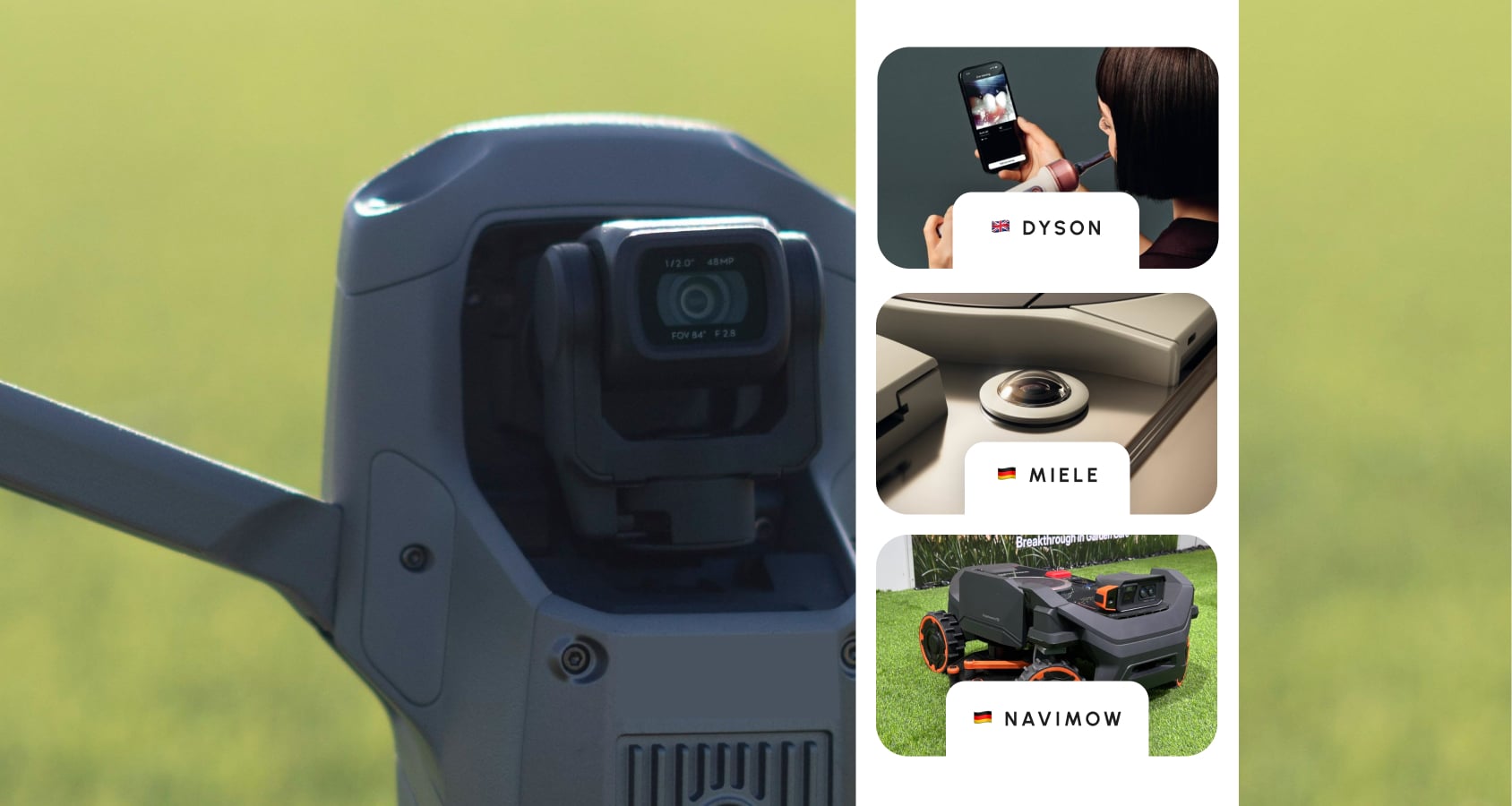
A toothbrush, dishwasher and robotic mower are using cameras and sensors to adapt while performing a task. Dyson targets interdental gaps, Miele configures wash cycles around the load, and Navimow detects small animals before cutting nearby.

Dyson’s USD 499 CameraJet toothbrush uses a camera to scan interdental gaps 28 times per second while brushing. The device uses those scans to direct a mouthrinse jet towards specific gaps, adding targeted cleaning to the brushing process.

Miele’s G8 Diamond dishwasher uses an in-door AutoVision camera to photograph each load. It identifies objects such as bottles, pots and plastic containers, then adjusts spray intensity and drying settings to suit what is inside the machine.

Navimow’s H5 Pro robotic mower combines an extendable arm for cutting closer to lawn edges with thermal sensors that detect hedgehogs and other small animals. The sensing system helps the mower respond to animals in the surrounding area before cutting nearby.

PLAYABLE PITCH
15 September 2026

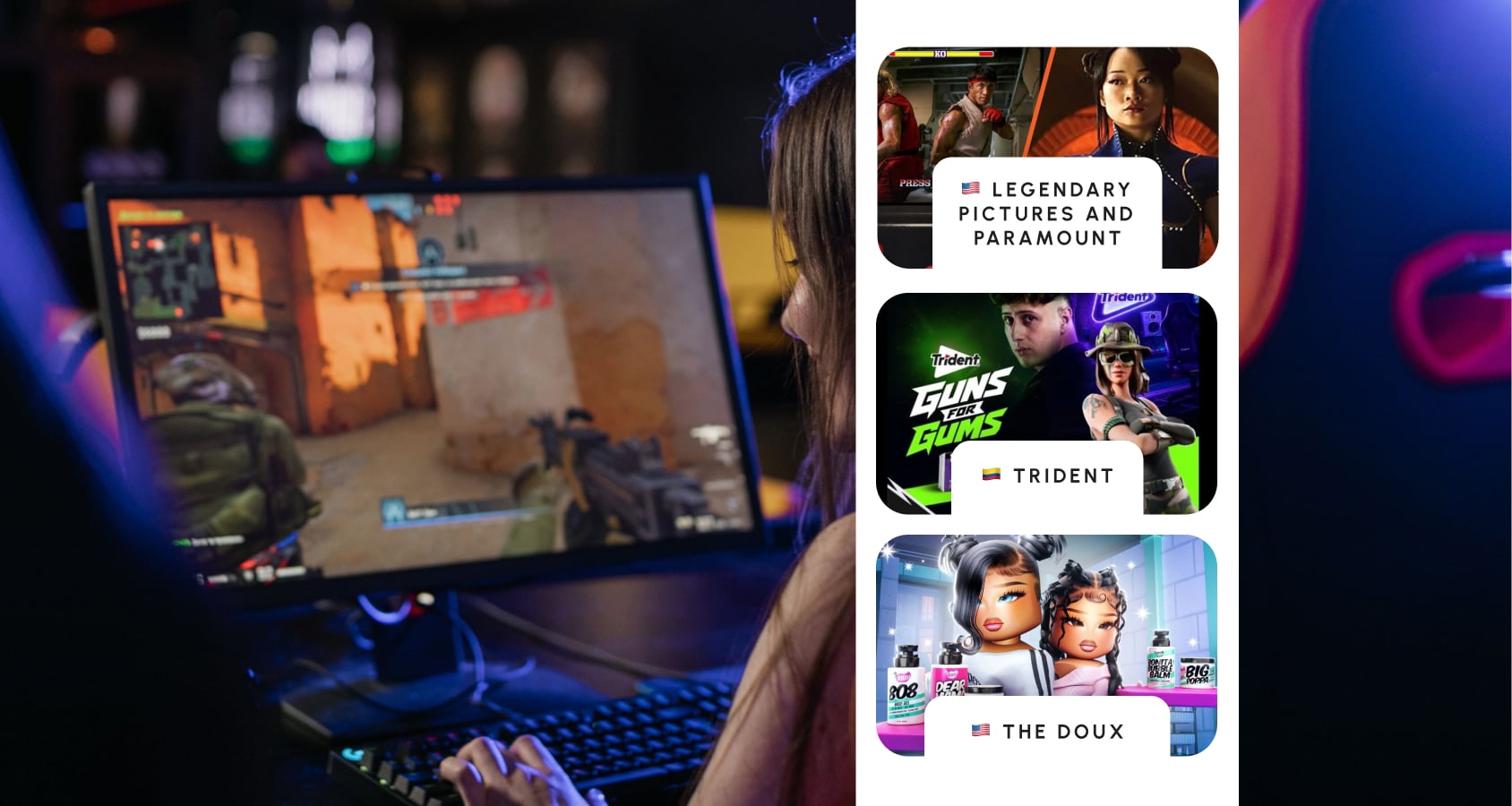
Legendary and Paramount created an interactive Street Fighter trailer, Trident placed a product exchange inside Fortnite, and The Doux built product use into a Roblox salon game. Each campaign uses a branded or IP-related action as part of the experience.

Legendary Pictures and Paramount released an interactive YouTube trailer for the Street Fighter movie that responds to joystick and button prompts. Viewers perform Hadoukens and other familiar combinations to advance the footage. The trailer uses a control scheme associated with the franchise to connect watching the film promotion with playing the game.

Trident’s Guns for Gums activation, created by Publicis Play and POP 30, runs inside Fortnite matches. Players collect in-game weapons and exchange them for branded gum items and rewards. The exchange places the campaign inside an action performed during play.

Textured hair-care brand The Doux created My Salon Empire, a free tycoon-style game on Roblox. Players manage a virtual salon and use the brand’s products to unlock textured hairstyles and hair-care information. Product discovery and education form part of the game’s progression system.

GROUND TRUTH
14 September 2026

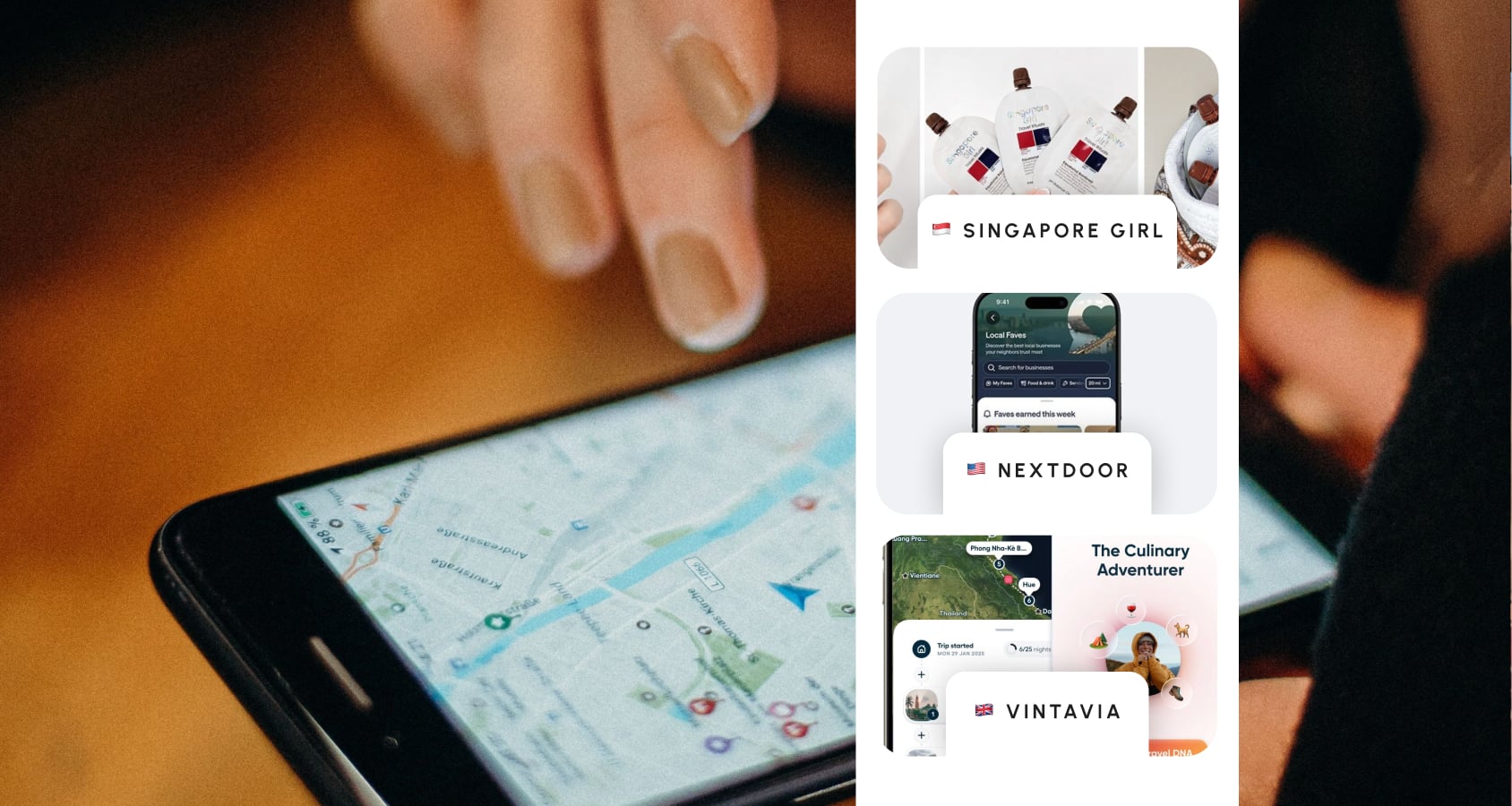
Singapore Girl, Nextdoor and Vintavia build recommendations from inputs customers can identify: destination climate, verified local reviews, current location, available time and budget. Making those inputs visible helps customers understand why a product, business or activity has been recommended.

Singapore Girl has launched a travel beauty collection covering skincare, sun care and haircare. A climate matrix uses 30 combinations of temperature and humidity to match products with conditions at different destinations. Customers enter where and when they are travelling, and the system recommends products for the expected climate.

Nextdoor has launched Local Faves, a hub that uses generative AI to summarize verified neighbour reviews and rank local businesses. The reviews come from people confirmed to live in the surrounding area. The feature combines proximity, local experience and AI-generated summaries to explain what neighbours say about each business.

London-based Vintavia builds personalized itineraries from a traveller’s current location, available time, budget and stated preferences. The app uses those practical constraints to narrow the available activities and create an itinerary suited to the immediate trip.

STACKABLE BEAUTY
11 September 2026

Beautyspace, e.l.f. Cosmetics, Bubble and Floral Street are changing product size, packaging and delivery to give shoppers more control over how they build their routines. Their formats support three different behaviours: sampling, combining steps and adjusting fragrance throughout the day.

Beautyspace opened Little Luxuries in New York, a store dedicated to miniature prestige beauty products from more than 100 brands. The store treats minis as products in their own right rather than samples bundled with full-size purchases. Incentives towards full-size items connect lower-commitment trial with later purchases.

e.l.f. Cosmetics and Bubble launched three limited-edition products that combine skincare and makeup formulas from both brands. Each hybrid product brings two parts of a routine into one step. The collaboration uses the product formula itself, rather than the packaging alone, to connect the two brands.

Floral Street introduced Scentsticks, refillable solid fragrances containing 15% fragrance oil, hyaluronic acid, jojoba oil and shimmer. The sticks are designed to be worn alone or layered over an eau de parfum or mist. Their portable format allows wearers to adjust the intensity of a fragrance throughout the day and replace the refill instead of the complete stick.

PRIVATE CLIMATE
10 September 2026

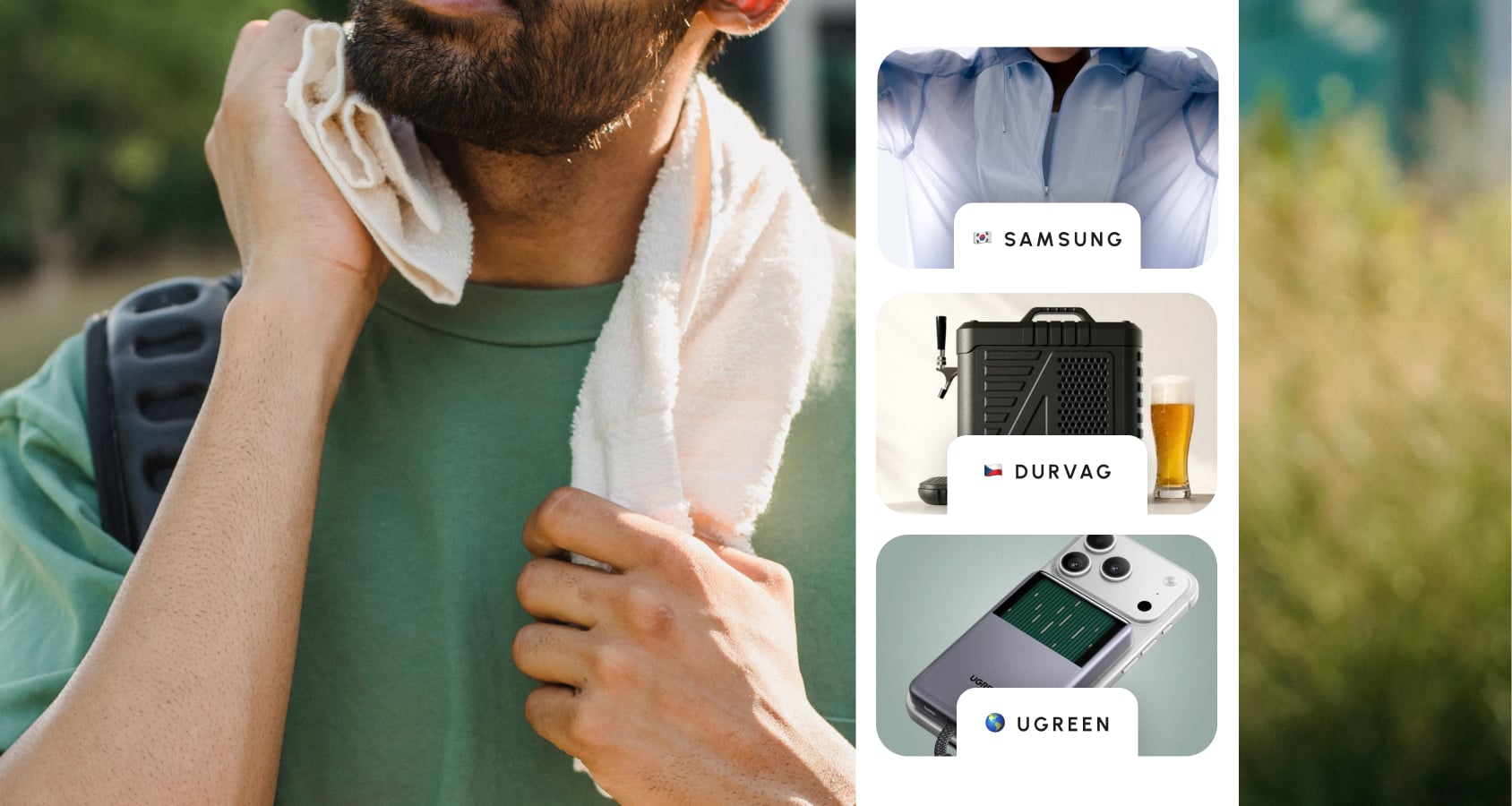
Cooling systems have traditionally depended on fixed infrastructure such as power outlets, ventilation and refrigeration. Hissy, Durvag and UGREEN are building thermal management into portable products: a jacket, a drinks dispenser and a power bank. Each brings temperature control closer to the person using it.

Samsung-backed wearable brand Hissy has developed a jacket with an internal tubular Air Path connected to a CO₂ cartridge. The cartridge vaporizes liquid carbon dioxide to produce airflow that reaches the skin at -30°C. The system replaces batteries and fans with cartridges that can be changed in seconds, pairing a reusable garment with a replaceable cooling component.

Czech beverage startup Durvag has launched a portable, battery-powered keg system that chills and pours draft beer and other drinks without an electrical outlet. It brings refrigerated draft service to campsites, gardens, outdoor events and other locations without fixed bar infrastructure.

UGREEN has released a Qi2 magnetic power bank with a visible liquid-cooling loop. The system is designed to manage the heat generated during fast charging and reduce performance throttling inside the compact device. By exposing the cooling mechanism, UGREEN turns thermal management into a visible part of the product.

FANDOM UNBUNDLED
9 September 2026

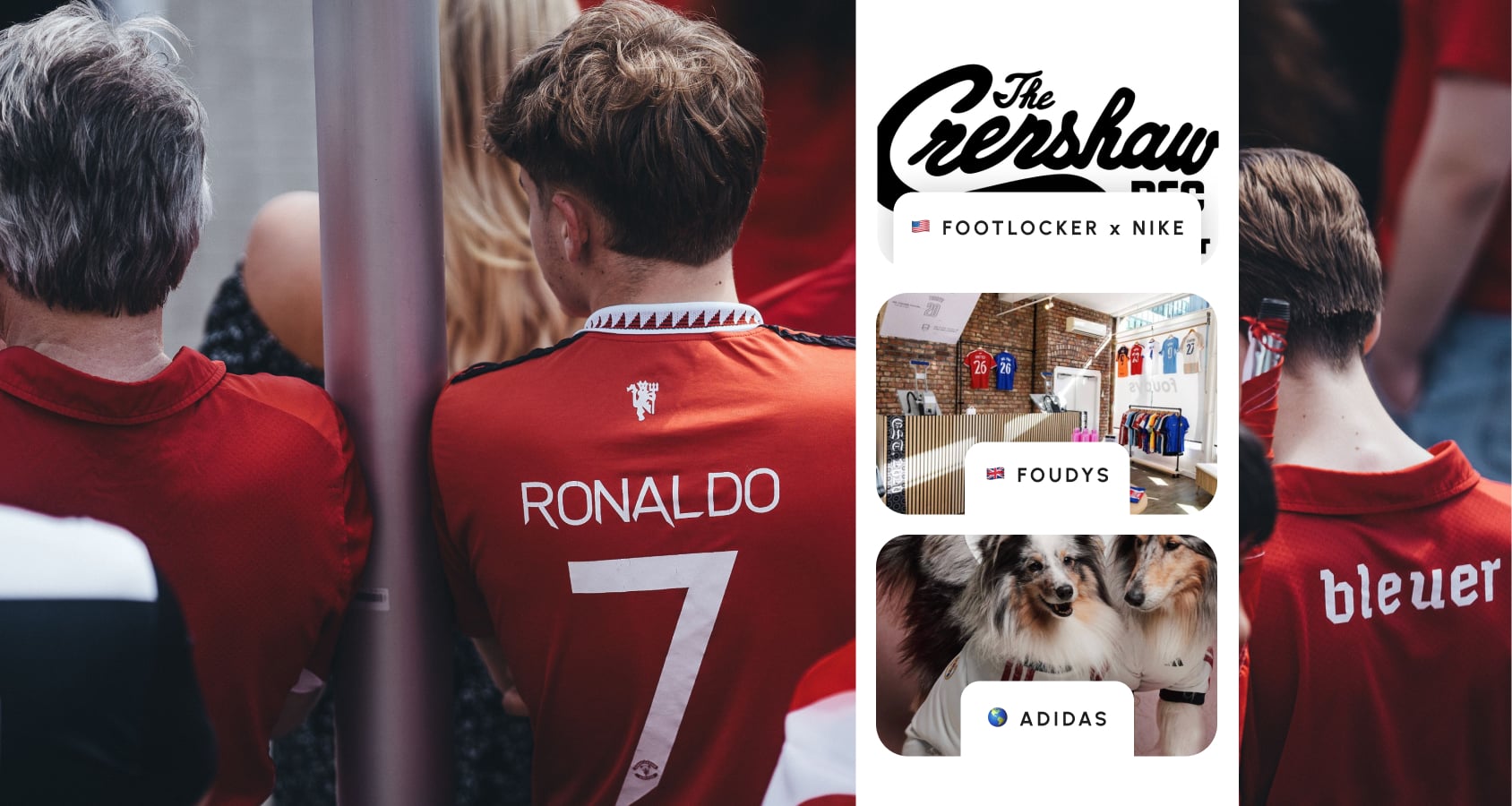
Foot Locker and Nike, Foudys and Adidas are developing retail offers around specific forms of fandom. One responds to a neighborhood, another to women’s football, and the third to pet owners. Each gives a defined audience more space within the brand’s retail strategy.

Foot Locker and Nike opened a store in Crenshaw, Los Angeles, co-designed with local community leaders. Alongside sneakers, the location includes an equipment room, open gym, creative workspaces, a resource center and year-round programming. These facilities extend the store’s role beyond product sales.

Manchester-based Foudys opened what it describes as the world’s first dedicated retail store for women’s football. The store gives the sport its own location, assortment and customer experience. It treats women’s football as a distinct retail market with specific fans and product needs.

Adidas launched pet apparel and accessories branded for seven football clubs. The collection includes miniature jerseys, collars and carriers priced in line with standard pet accessories. It extends licensed club merchandise to pet owners who want their animals included in how they express fandom.

TREND BITE

Retailers are developing dedicated offers for specific fan communities. Foot Locker and Nike tailor a physical location to Crenshaw. Foudys gives women’s football a store of its own. Adidas extends club merchandise to pets.

These innovations involve different levels of commitment. A community-led store requires physical facilities and ongoing programming, while a focused merchandise range can test narrower demand. The investment should match what the audience needs from the brand.

ADULT DIVIDEND
8 September 2026

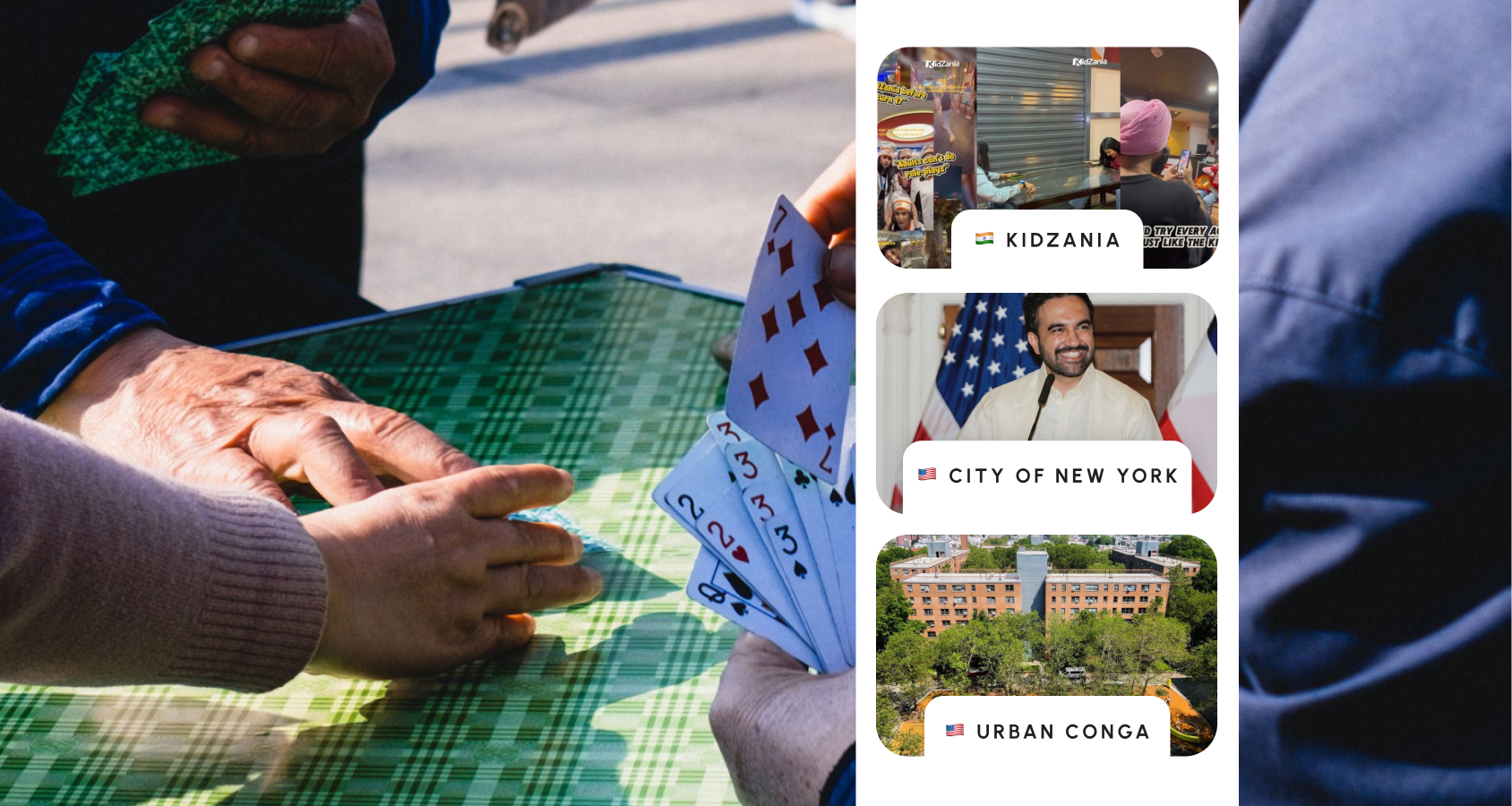
KidZania India, New York City and Urban Conga are extending child-focused experiences and services to support adults and older residents. One opens role-play activities to adults, another gives parents a night of free childcare, and the third creates a playground that several generations can use together.

KidZania India is piloting adult-only access days at its role-play parks. Adults attending without children can take part in activities normally reserved for younger visitors, including mock airports, hospitals and banks. The pilot adds a paying adult audience to an established children’s experience.

New York City’s Parents’ Night Out program provided nearly 300 children with free overnight childcare, supervised recreation and rest. The city funded and delivered the program, giving parents personal time without the cost of private childcare. The initiative treats parental respite as part of public childcare provision.

Urban Conga designed a multigenerational playground for public housing residents in Brazil. Its open-ended yellow structures are intended for children, adults and older residents to use together. The design includes sensory features for neurodivergent children and rain gardens for water management.

TREND BITE

Child-focused programs are creating additional value for the adults nearby. KidZania extends role-play to adult visitors. New York City supports parents through municipal childcare. Urban Conga designs one public space for several generations.

For organizations running age-limited experiences, family services or shared spaces, a pilot or design change can reveal needs among people already connected to the core audience.

CO-SIGNED CRAFT
7 September 2026

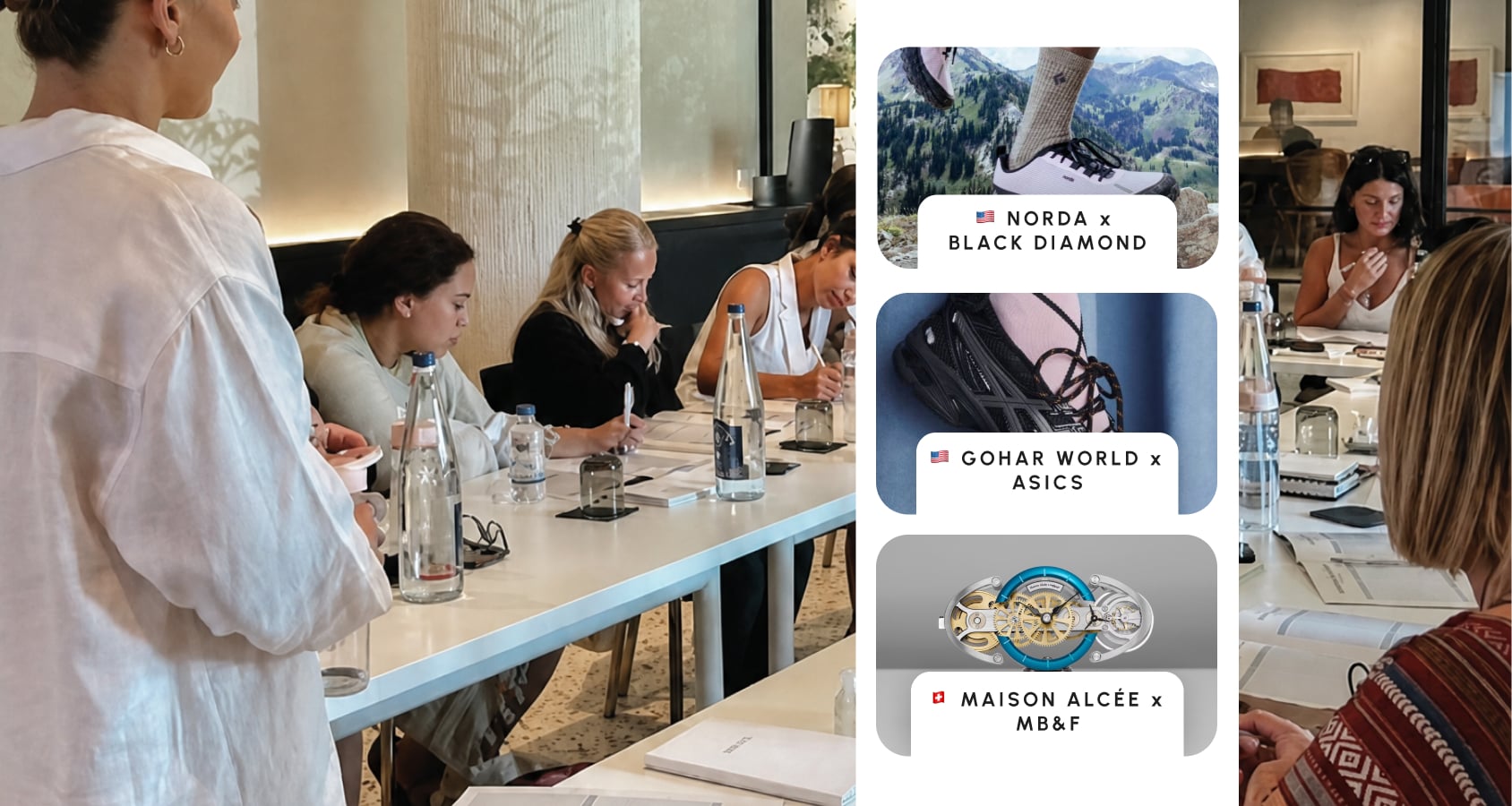
Three collaborations show how brands can enter or extend into new product categories through specialist partners. Norda is working with Black Diamond on footwear and outdoor gear, Gohar World with ASICS on a sneaker, and Maison Alcée with MB&F on a mechanical clock kit. Each product combines a recognizable design identity with established technical knowledge.

Norda, the Canada-founded trail-running shoe specialist, has partnered with Black Diamond on a collection spanning footwear and gear. The collaboration combines Norda’s experience in performance footwear with Black Diamond’s background in mountaineering and outdoor equipment. Both areas of expertise are visible within the same collection.

Gohar World, best known for ornate, charm-laden tableware, has moved into sportswear by working with ASICS on its first sneaker. The design fuses ballet and track-and-field silhouettes with the decorative charms and piercings that made Gohar World recognizable in home goods. ASICS contributes sports-footwear experience, while Gohar World brings its established visual language into a new category.

Maison Alcée partnered with watchmaker MB&F on a limited-edition DIY clock-building kit. It contains a wristwatch-grade mechanical movement inside an H.R. Giger-inspired alien casing and arrives as components for the buyer to assemble. The collaboration makes mechanical construction part of the customer experience.

TREND BITE

Brands are developing products through partners with complementary expertise. Norda and Black Diamond connect trail running with mountaineering. Gohar World and ASICS combine decorative design with sports footwear. Maison Alcée and MB&F turn mechanical watchmaking into a hands-on kit.

These partnerships are strongest when each collaborator’s contribution is visible in the product itself. The choice of partner, materials and customer experience can give a category extension more substance than a logo exchange alone.

SPLIT SPECS
4 September 2026

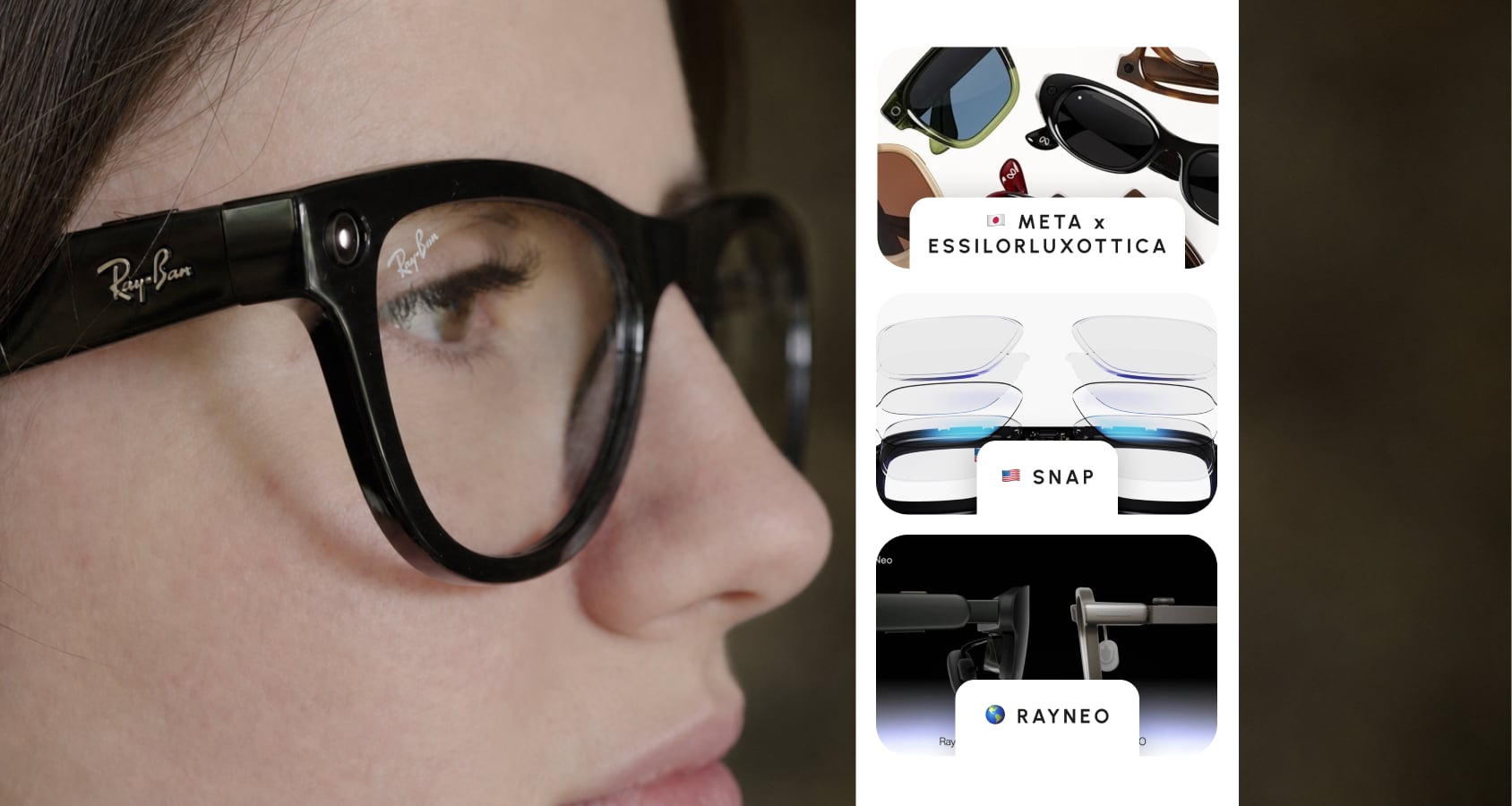
Smart glasses are becoming a portfolio category. Meta and EssilorLuxottica offer variations in style, fit and prescription. Snap focuses on information displayed within the wearer’s view. RayNeo separates everyday assistance from immersive entertainment. Each product is being designed around a clearer role.

Meta and EssilorLuxottica launched Meta Glasses in 26 style variations, including prescription options. The range combines the same underlying AI system with different frame shapes and fits. This brings smart glasses closer to the established eyewear model, where personal style, vision correction and fit matter alongside technology.

Snap’s Specs use transparent waveguide displays to place directions, translations and notifications within the wearer’s view. Users navigate through hand gestures and voice controls. The glasses focus on information that can be accessed while the wearer remains aware of their surroundings.

RayNeo has divided its range by use case. The iO keeps its display discreet for everyday AI assistance, while the GT Series supports Dolby Vision for immersive viewing. The two products give daily assistance and entertainment with their own hardware.

TREND BITE

Smart glasses specializing by use case, fit and display visibility. Meta and EssilorLuxottica address differences in faces, prescriptions and personal style. Snap focuses on glanceable information. RayNeo gives discreet assistance and immersive media separate products.

For eyewear and consumer-tech brands, product strategy now starts with a defined role. Fit, interface and display choices can then be designed around the specific job each model needs to perform.

GLANCE TO CART
3 September 2026

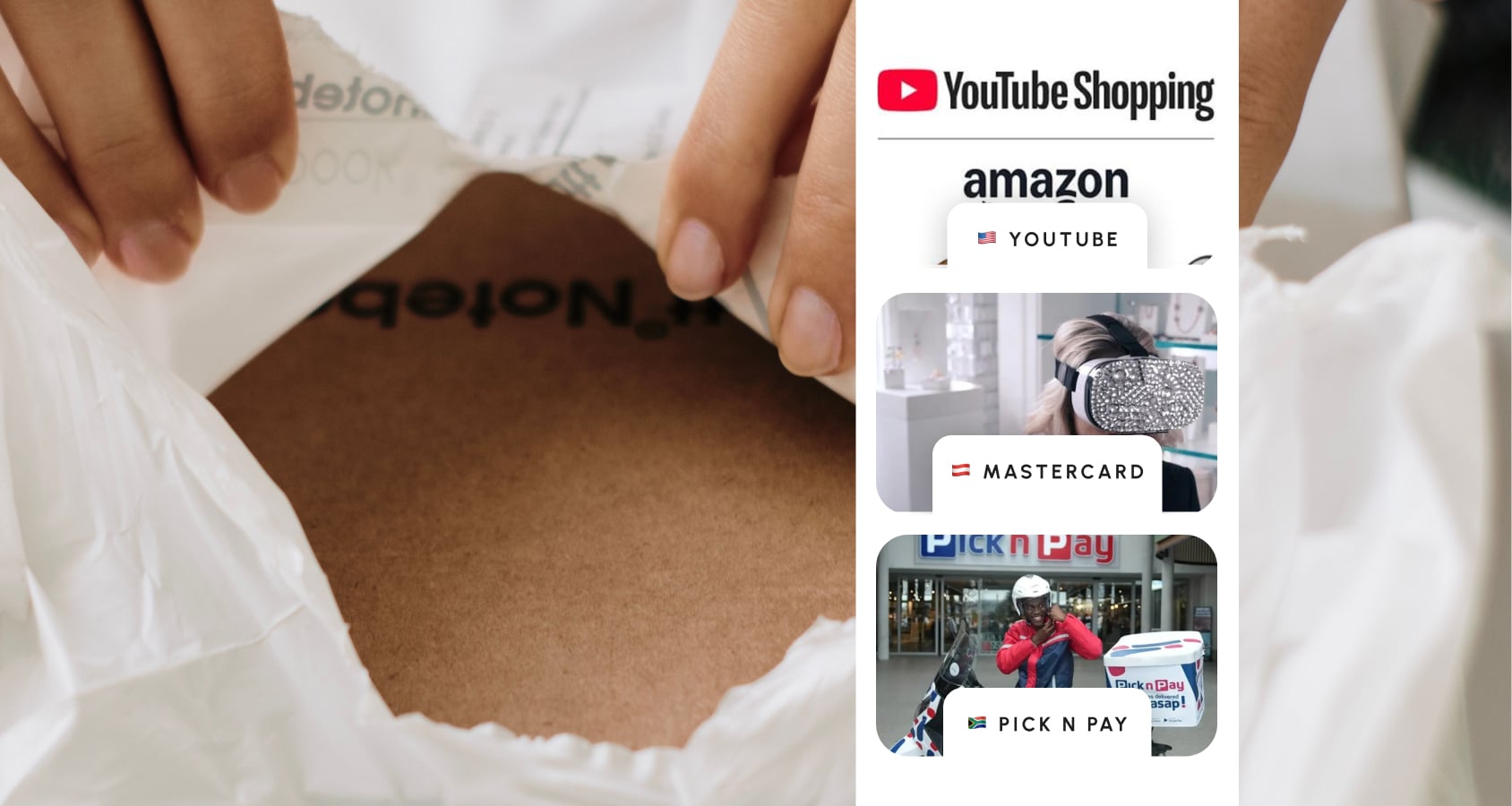
YouTube, Mastercard and Pick n Pay are adding commerce tools to videos, virtual rooms and grocery content. Each brings product discovery and purchase closer together inside an existing digital experience, reducing the steps between seeing an item and acting on it.

YouTube has rolled out native Amazon product tagging across Shorts, long-form video and livestreams, letting eligible creators in the US mark items directly inside their content.Viewers can open featured products while watching, and creators earn commission on qualifying purchases. Product recommendations become shoppable at the point of discovery.

Mastercard and Swarovski created a VR app that places shoppers inside a virtual home decorated with Atelier Swarovski pieces. Users can explore products room by room and purchase them through Masterpass within the experience. The app combines a virtual showroom with payment.

South Africa's Pick n Pay added Pick n Pay Inspire to its asap! delivery app, a shoppable video feed where a featured grocery item can be added to the basket directly from the clip. A shopper watching a 30-second recipe video can drop the featured ingredient into their order before the video even ends. Recipe content becomes a route into the weekly grocery order.

TREND BITE

Three industries, one identical move: checkout is relocating from the end of the journey to the exact moment of noticing. YouTube connects tagged products to creator content, Mastercard and Swarovski pair a virtual showroom with payment, and Pick n Pay connects grocery videos to the basket. These innovations show commerce becoming part of content across entertainment, virtual retail and grocery delivery. The strategic task is to identify moments that naturally support a purchase and reduce the steps to checkout without interrupting the experience.

Back to Top