
AI Squadmates
8 January 2025

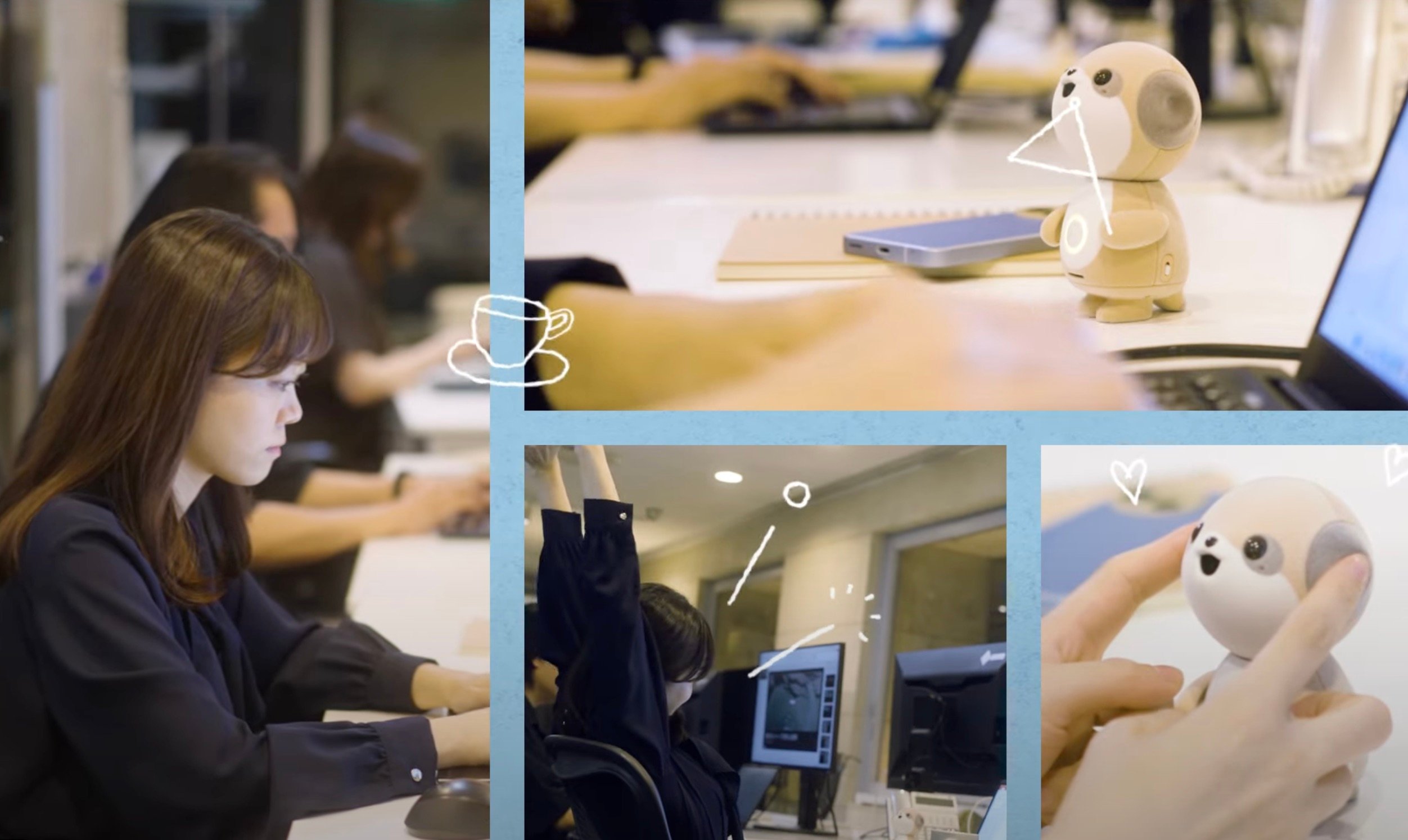
AI companions are taking a dramatic leap forward in gaming, with NVIDIA and Krafton introducing the first "co-playable character" (CPC) for PlayerUnknown's Battlegrounds. This AI teammate, announced at CES 2025 and dubbed PUBG Ally, goes beyond traditional scripted behaviors to communicate naturally with players, share strategic advice and adapt to dynamic battlefield conditions. Unlike conventional AI co-players that follow rigid programming, these companions can independently gather resources, operate vehicles and engage in combat while using game-specific terminology that makes interactions feel authentic.

The technology powering the co-playable characters is NVIDIA ACE. It uses small language models optimized for quick decision-making so AI co-players can process their environment, plan actions and respond to changing situations much like human players would. The innovation stems from a strategic collaboration between Krafton's Deep Learning Division, established in 2022, and NVIDIA's expertise in AI technology.

The way PUBG Ally balances autonomy with collaboration — acting independently but remaining responsive to player input and team needs — reflects a shift in human-AI interaction in other fields. AI systems aren't simply replacing human tasks but rather augmenting human capabilities, whether assisting physicians in diagnosis while adapting to unique patient cases or, in software development, understanding project context and suggesting coding solutions while still working within a developer's overall vision and strategy.

LOOPLIFE
7 January 2025

GBP 146. That’s the average monthly income earned by nearly 24 million Brits using online resale platforms like Depop, according to Virgin Media O2 Business research. Over the course of a year, that adds up to GBP 1,752 — enough to cover the average annual UK energy bill. ⚡️

As 69% of those surveyed were concerned about holiday affordability, it’s no surprise second-hand selling and gifting are in:

  • Frugal lifestyles: 43% of British consumers are cutting back on non-essential purchases
  • Pre-loved bestsellers: Clothing (68%), books & media (33%) and electronics (27%)
  • Gen Z-led: 35% sold items online in the past three months, jumping to 54% among Gen Z
  • Entrepreneurial pursuits: 68% of Brits are actively seeking ways to save or make extra money

In 2025, as consumers globally look to make extra cash and diversify their income streams, brands have a unique opportunity to empower at-home side-hustlers while fueling circularity within their product offerings. How?

🌀 LOOPLIFE: AI solutions simplify and normalize the shift to circularity 🌀
Climate and financial anxieties remain top of mind. Despite good intentions, barriers like cost and convenience hold people back. The solution? AI-powered tools that educate, curate and simplify sustainable living.

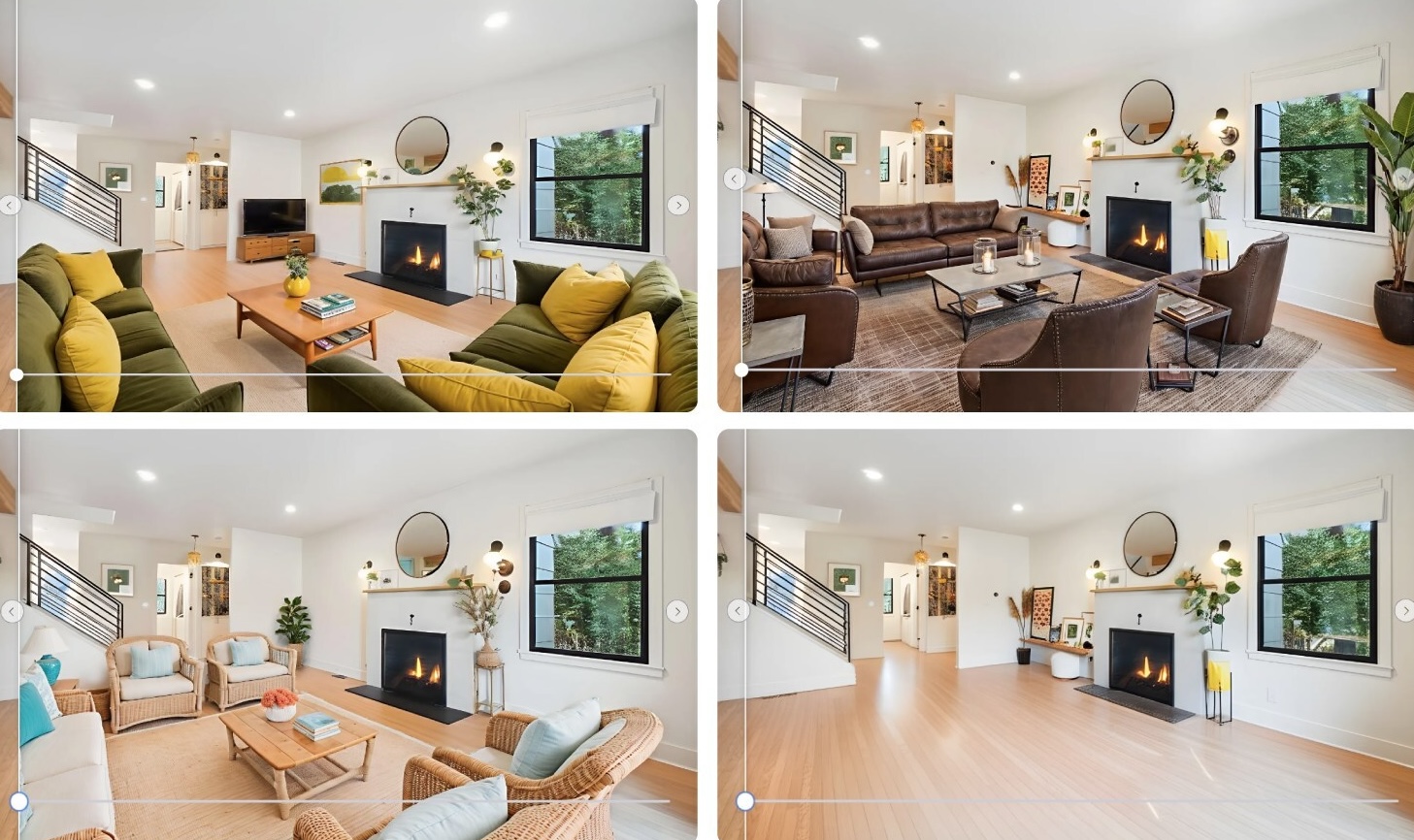
Platforms like Depop, with its AI-driven listing feature, showcase how innovation can bridge the gap — empowering circular consumption and unlocking new revenue streams. But keep in mind that even second-hand is prone to overconsumption.

Algorithmic rest
6 January 2025

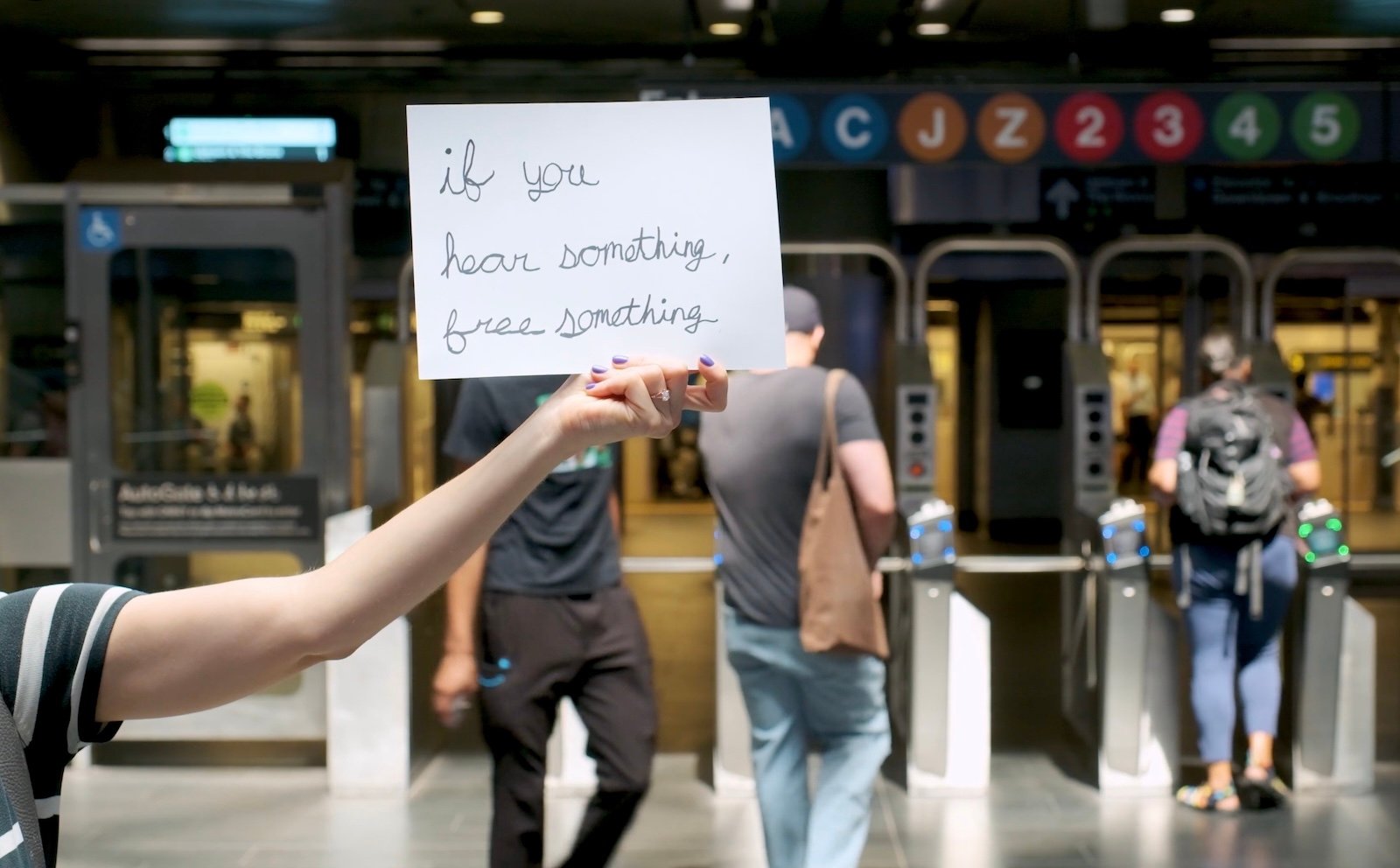
Meituan, which works with over 7.45 million registered riders, is introducing mandatory log-offs to prevent them from burning out. The algorithm-driven policy, which began as a pilot program in East China, addresses mounting concerns about rider safety and well-being in China's intensely competitive delivery sector. The new 'anti-fatigue mechanism' sends riders automated prompts after they've been working for 8 hours, reminding them to rest. If they're mid-delivery, they're allowed to finish. Mandatory log-offs keep drivers off the platform for twelve hours.

As reported by TechNode, top-performing riders in first-tier cities can earn upwards of RMB 10,000 (USD 1,372) monthly during peak seasons — surpassing the average salary of recent college graduates. But those incomes come at a cost. Riders often work long hours, and consumer expectations of ultra-fast delivery regularly lead to unsafe driving, with traffic accidents involving other road users, too.

The mandatory rest system, while well-intentioned, may inadvertently reduce riders' earnings by limiting their ability to work during peak hours. Additionally, enforced downtime could push workers to switch to a competing platform as soon Meituan logs them off. That said, algorithms will increasingly manage labor, and not just for gig workers, as companies strive to balance efficiency, worker welfare and profitability.

Power in pause
23 December 2024

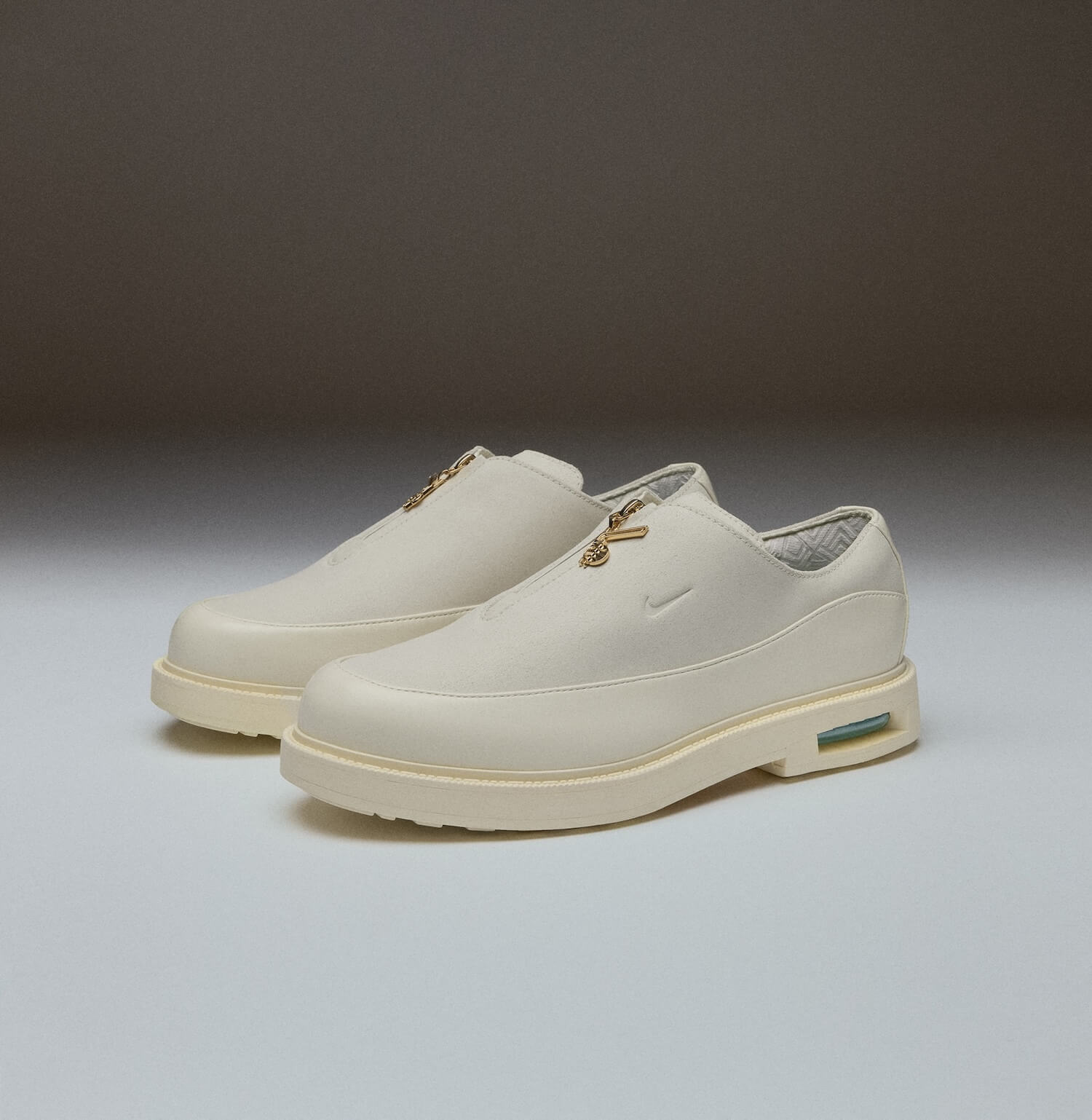
Challenging traditional sports sponsorship, Powerade has introduced The Athletes Code — a contractual amendment allowing sponsored athletes to pause their partnership commitments to focus on mental or physical wellbeing without risking their sponsorship status. The initiative was launched with a roster of elite athletes, including Olympic gold medalist Alex Morgan and Paralympic swimmer Douglas Matera, and represents a significant shift away from the "win at all costs" mentality that long dominated professional sports.

The Athletes Code comes as mental health awareness moves from the margins to the mainstream of professional sports. Following high-profile athletes like Simone Biles and Naomi Osaka speaking openly about their mental health struggles, brands are adapting to shifting cultural expectations around performance and wellbeing.

By formally protecting the right to pause and recharge, Powerade's initiative signals the sports industry is evolving beyond measuring success purely in medals and trophies to embrace a more holistic view of athletic achievement. And since athletes function as role models and shape narratives around success, the move will no doubt reverberate back into society, further normalizing the prioritization of mental and physical wellbeing in all fields of life.

Emotional validation
20 December 2024

During the launch of its flagship Q8 2024 model last month, Audi Vietnam employed EEG (electroencephalogram) technology to help consumers decide if they truly wanted the car. Designed to gauge emotional resonance, the initiative uses specialized headsets to monitor participants' brain activity during interactions with the car, such as test drives and exploring the interior. The EEG measures responses like excitement, attention and interest, offering insights into whether the car genuinely resonates with the buyer’s preferences. 

Emotional validation is becoming increasingly vital and, amid the deluge of choice in an increasingly saturated market, understanding consumers' genuine emotional responses will only get more important — consumer interest in personalized marketing experiences has increased by 20% in the past two years. And that goes double for big ticket and status symbol purchases, such as car buying in fast-developing markets like Vietnam. Investing in a car, especially a premium one, is still seen as a significant economic and social status milestone. Consequently, consumers want the purchase to be an authentic representation of their preferences and, by extension, who they are.

The desire for highly personal experiences goes hand in hand with the demand for self-knowledge — think the popularity of personality typing frameworks like the MBTI or Enneagram. The mainstreaming of frontier technologies like EEGs, other brain-reading headphones and emotion-tracking AI, means there are more ways than ever for brands to help consumers understand themselves at a deeper and more authentic level. This self-knowledge could be channeled to make better, more personalized decisions, ensuring higher resonance with both purchases and brands.

Worthwise
19 December 2024

Out now: Ipsos’ Predictions 2025 Report, with findings from surveying people across 33 countries on their hopes, fears and everything in between. Here’s what stands out:

📈 Optimism: Despite a permacrisis-fueled world, 71% believe 2025 will be better — up a fraction from 70% last year. And while 65% say 2024 was bad for their country, that’s the lowest figure for that statement since 2019.

🧘‍♀️ Health on the vision board: 69% manifest better mental and physical health in 2025 and 37% plan to scroll less. A collective exhale might be on the horizon?

😶‍🌫️ Fear of becoming obsolete: Globally, 65% fear AI-driven job losses, overshadowing the 43% who see AI as a job creator. Stark contrasts emerge: 77% in China predict AI will create jobs, while 65% in Japan brace for losses.

🔥 Climate anxiety heats up: 72% expect even more extreme weather in 2025, with 42% fearing parts of their country will become uninhabitable. Concerns about uninhabitability are peaking in the Philippines (78%), Indonesia (66%) and Malaysia (58%).

💰 Income < inflation: 79% anticipate prices will outpace incomes – mirroring, on average, last year’s stat. Economic worries hit harder in the Philippines (90%), Romania (89%) and the Netherlands (88%), where concerns have surged 7-8 points YoY.

🔎 Let’s zero in on that last stat. As optimism grows fragile and wallets tighten, value itself is being rewritten. Gen Z is already opting out of traditional FOBO workplaces and cashing in on Roblox gigs and selfie-powered discounts.

Forward-thinking brands are taking note. They’re building systems that go beyond price tags — rewarding authentic participation, fueling emotional connection and unlocking unexpected value. In 2025, success will hinge on helping people create, capture and realize worth holistically, which is to say: financially, emotionally and socially.

Mirror mirror
16 December 2024

A new study published in The Lancet Oncology reveals a 79% rise in bowel cancer diagnoses among adults under 50 between 1990 and 2019. Rates climbed in 27 of 50 countries, with England experiencing one of the sharpest annual increases (3.6%), alongside New Zealand, Chile and Puerto Rico. Researchers attribute the surge to modern lifestyle factors such as junk food consumption, physical inactivity and obesity.

📈 Bowel cancer is now the third most diagnosed cancer globally and the second leading cause of cancer deaths, claiming 1.9 million lives in 2022. At the same time, deaths among younger adults surged by 28%, amplifying the urgent need for earlier screenings, public health initiatives and symptom awareness (rectal bleeding, abdominal pain, unexplained weight loss).

🪞 MIRROR MIRROR to the rescue
Health crises like this demand tools that make the future tangible and inspire immediate action. MIRROR MIRROR, one of the trends in our 2025 Trend Report, spotlights the opportunity for brands — in and outside the healthcare industry — to empower people with AI-powered tools and future-planning simulators that translate health risks into actionable, personal futures.

Two examples:
🕰️ AI-powered simulators: Death Clock projects life expectancy, identifies leading causes of death and delivers personalized recommendations based on over 1,200 scientific studies.
👵 Tech-powered awareness: CoppaFeel! harnessed TikTok's viral aging filters in its ‘Changing the Face of Breast Cancer’ campaign to challenge the misconception that breast cancer only impacts older women.

🩺 The bottom line? Early intervention becomes powerful when consumers can see and shape their (health) outcomes. In a chaotic, uncertain world, clarity is everything — and AI-driven mirroring provides just that. After all, acting on the future is easier when you can see your reflection today.

Humanifesto
12 December 2024

Snapchat’s 850M monthly users aren’t just scrolling – they’re snapping, sharing, shaping culture and hopefully not screenshotting. 😉 The 2024 in a Snap report shows that AR-powered play, cultural relevance and real connections drive engagement across generations. Here are our report highlights, snapped short and sweet:

🏀 Fueling Sports Fandom: Fans spent 25M+ minutes on sports content within Snapchat's Spotlight globally, with 93% of US Snapchatters saying social media gets them closer to their favorite teams.
🌟 Sh(AR)ing is C(AR)ing: From Venom to Bojangles, Snapchat AR Lenses grabbed 5x more active attention than other platforms. 
💄 New Look, Who Dis? Beauty slayed with 113M Snapchatters trying on AR Lenses globally. Lipstick try-ons, as by e.l.f. Beauty, drove 16% higher playtime. 
🎶 Connection Through Music: Whether it’s Brat vibes or nostalgia hits like Friday I’m in Love, 79% of US Snapchatters are passionate about music.
🍔 Snackable Snaps: Foodies turned meals into moments, checking in 896M+ times at favorites like Taco Bell and Chick-fil-A.
🎂 Growing Up With Snapchat: Snap turned 13 this year, and its audience aged up, too: over 50% of US users are now 25+. No surprise that 118M+ hours of parent content were viewed globally.

Your takeaways for 2025:
🔮 While apps like BeReal fizzled out, Snapchat keeps its spark alive by embracing messiness, creativity and fun. How can your brand stay (pop-)culturally relevant and design experiences that make people stop, snap and share?

Serendipity seekers
10 December 2024

Turns out, Gen Z and Millennials are swiping less and strolling more. According to the 2024 American Express Shop Small Impact Study, 90% of young consumers in the US have discovered a small business simply by wandering their neighborhoods — outranking the 80% who find new favorites via social media.

This post-pandemic shift to IRL discovery reflects a craving for deeper, more authentic connections — a contrast to the endless scroll of social commerce. It’s a welcome trend for small businesses: 86% of owners say they rely on community support to thrive, and 68% of Gen Z and Millennials plan to shop at small businesses this holiday season.

In a tech-saturated, algorithm-driven world, proximity breeds possibility. So, while social conversions might win on metrics, brands are seeking to build local relevancy and consumers are hungry for surprise and unpredictability. Heading into 2025, how will you design for serendipitous discovery?

Credibility creators
9 December 2024

Influencers shape public discourse daily, but there’s a problem: two-thirds skip rigorous fact-checking, according to a recent UNESCO report, with 42% gauging credibility by likes and shares and others trusting content simply because their friends shared it. But, according to UNESCO’s survey, they’re open to improvement. Nearly three-quarters want to learn how to verify information properly.

Addressing that critical verification gap, UNESCO and the Knight Center for Journalism in the Americas have launched a free, month-long global course created by media literacy experts and leading influencers, available in English, French, Spanish and Portuguese. The initiative has already drawn over 9,000 participants from 160 countries, aiming to equip creators with essential skills in source verification, disinformation detection and collaboration with traditional media outlets.

Beyond addressing immediate concerns about the spread of disinformation, the program suggests a future where digital influencers could serve as more reliable bridges between news sources and their audiences, potentially transforming how verified information flows through social media channels. For brands that champion knowledge and trust, supporting this shift is an opportunity to foster a more informed society — wherever people choose to get their news.

2025 by the numbers
4 December 2024

Based on Deloitte’s State of Generative AI in the Enterprise survey, the firm predicts that 25% of US companies that use gen AI will launch agentic AI pilots or proofs of concept in 2025, with that number to grow to 50% by 2027 📈

Agentic AI will take gen AI to the next level, creating agents that can think, plan and act independently. Unlike chatbots, this tech could transform workflows across industries. Early solutions, like coding agent Devin, show potential, but reliability hiccups and adoption issues need solving. With over USD 2 billion invested in agentic AI, the tech could power the next generation of solopreneurs.

Ready to agentify your own company’s processes? Check out this AI agents directory for inspiration. And don’t forget to address FOBO and AI burnout, or your team might wave the white flag before you’re ready to deploy.

🚀 Curious? Check out how Claude takes over a Mac screen to analyze and (almost) autonomously complete spreadsheets. And keep your eyes peeled for the AI agent OpenAI is rumored to release in January 2025, which could control people’s computers to write code or book flights on their behalf.

To weather (and leverage) what’s next — from La Niña 🌪️ to Gen Beta 👶 — dive into more 2025 by the numbers in our 2025 Trend Report

The State of Fashion 2025
28 November 2024

The ninth annual report by McKinsey & Co and BoF Insights, The State of Fashion 2025, reveals a challenging runway ahead. With only 20% of executives predicting improved consumer sentiment and 39% expecting worse industry conditions, brands face mounting pressure to craft creative, agile strategies. We combed through the 154-page PDF 🤓 and these are the standout opportunities to tailor your 2025 playbook:

👛 Consumer caution reigns: Shoppers are tightening their belts, with 70% of executives naming weak consumer confidence as the top challenge. Value-for-money segments like resale and dupes are thriving, and 70% of consumers plan to shop outlet or off-price retailers — even if they have extra cash.

🌏 Asia’s new fabric: As China’s growth slows, India, Japan and Korea emerge as APAC’s new stars. 63% of executives view mature APAC markets as growth hot spots in 2025.

👵 Silver linings: Over-50 shoppers are stepping into the spotlight. By 2025, this demographic will drive 48% of incremental global spending growth.

🛍️ Discovery evolves: Shoppers overwhelmed by choice want smarter solutions. Enter AI-powered curation: 50% of fashion executives see product discovery as the top use case for gen AI in 2025. It’s the personal stylist shoppers didn’t know they needed.

🌱 Sustainability stays: Only 18% of executives cite sustainability as a top growth risk (down from 29% in the 2024 report!), but climate pressures and regulations will demand action. 63% of fashion brands must accelerate emissions reductions to meet 2030 targets. Long-term investments in greener practices promise a competitive edge, even as consumers hesitate to pay a premium.

Why this matters, even if you’re not a fashion brand. Consumer expectations are shaped by the transformations this industry is going through. In the expectation economy, cross-industry benchmarks are the name of the game. And staying ahead means stitching innovation into every thread of your strategy ;)

Robotic revolution
25 November 2024

Last week, Kim Kardashian went viral playing rock-paper-scissors with Tesla’s Optimus robot and posing with Optimus and Cybercab, Tesla’s (very delayed) robotaxi. Beyond the buzz lies a pressing question for brands: when will your customers welcome humanoid robots as their personal assistants and 24/7 servants?

Gartner predicts poly-functional robots as one of its top 10 strategic tech trends for 2025, forecasting that by 2030, 80% of people will engage with smart robots daily, up from less than 10% today. Translation? The robotic revolution may not dominate 2025, but in five years, humanoid workers might just be indispensable.

Consumers are already warming up to AI for daily chores: admin, communication and even shopping. It’s time to prepare for the rise of robots that can truly lighten the load, from multi-talented humanoids that whip up waffles and feed pets to 2025-ready products like stress-relieving pet robot Moflin and AI-powered mobility-assisting pants MO/GO.

Ritualized
21 November 2024

A new whitepaper from WARC Advisory and MSQ uncovers the untapped magic of rituals in people’s lives: Ritualized: where marketing meets meaning. Of 4,000 consumers surveyed (🇩🇪🇬🇧🇫🇷🇺🇸), 72% weave brands into their rituals, 70% are open to adopting new rituals, and 39% feel more positively about brands that become part of their rituals.

Rituals aren’t just (sometimes pseudo-religious) routines — they’re emotionally charged behaviors with transformative potential. By syncing with these moments, brands can spark lasting loyalty and boost emotional value. The paper defines four principles to guide brands as they explore the role of rituals in the lives of their customers:

1️⃣ Rituals are deeply personal: 1-in-4 consumers say rituals give life purpose, with strong ties to mindfulness and self-care.

2️⃣ Rituals support the individual: In today’s atomized world, rituals nurture the self and relationships – 56% focus on personal care or connecting with others.

3️⃣ Rituals provide structure in chaos: They stabilize, offering structure (33%), control (31%) and escape (32%).

4️⃣ Rituals balance meaning and efficiency: As hyper-efficiency reigns, rituals bring emotional depth, adding soul to their schedules.

In 2025, could your brand engage with rituals that help people find purpose or pause? As MSQ and WARC repeatedly point out: ”Consumers create their own rituals and decide whether and how to incorporate brands — not the other way around. A truly customer-centric approach is necessary to make the most out of this opportunity. The advice? Observe, facilitate, participate.”

Healthy discourse
18 November 2024

Originally created by Twitter co-founder Jack Dorsey, Bluesky is a decentralized microblogging app that lets users curate their own algorithms with custom feeds (now firmly on Zuck’s must-copy list). Growth was steady but slow, sparking doubts: would it flop like Koo or could it be a viable alternative to X? Fast forward to today: in just two weeks, Bluesky’s user base soared to 19M+ as people fled X for calmer skies following the US election. The platform has become a refuge from Musk’s increasingly polarizing space (soon to be state media?), where political content feels unavoidable.

In 2025, could Bluesky dethrone X and solve misinformation and cyberviolence? Spoiler: nope. But its rise shows one thing: users crave better social spaces. 💬✨ Think: places to connect, debate (without toxicity), and explore identities. So, how can brands and platforms join this Elon-free movement?

✋ Take a stand: Follow The Guardian’s lead and say goodbye to X.

💡 Be inspired: Bluesky’s anti-toxicity tools and no-gen-AI-training pledge are setting new benchmarks.

🔗 Get together: Bluesky might not win on its own, but apps like Openvibe, which merges Mastodon, Bluesky and Threads, demonstrate the power of combining decentralization and aggregation.

Back to Top