LEGISLATIVE BRANDS
2 March 2026

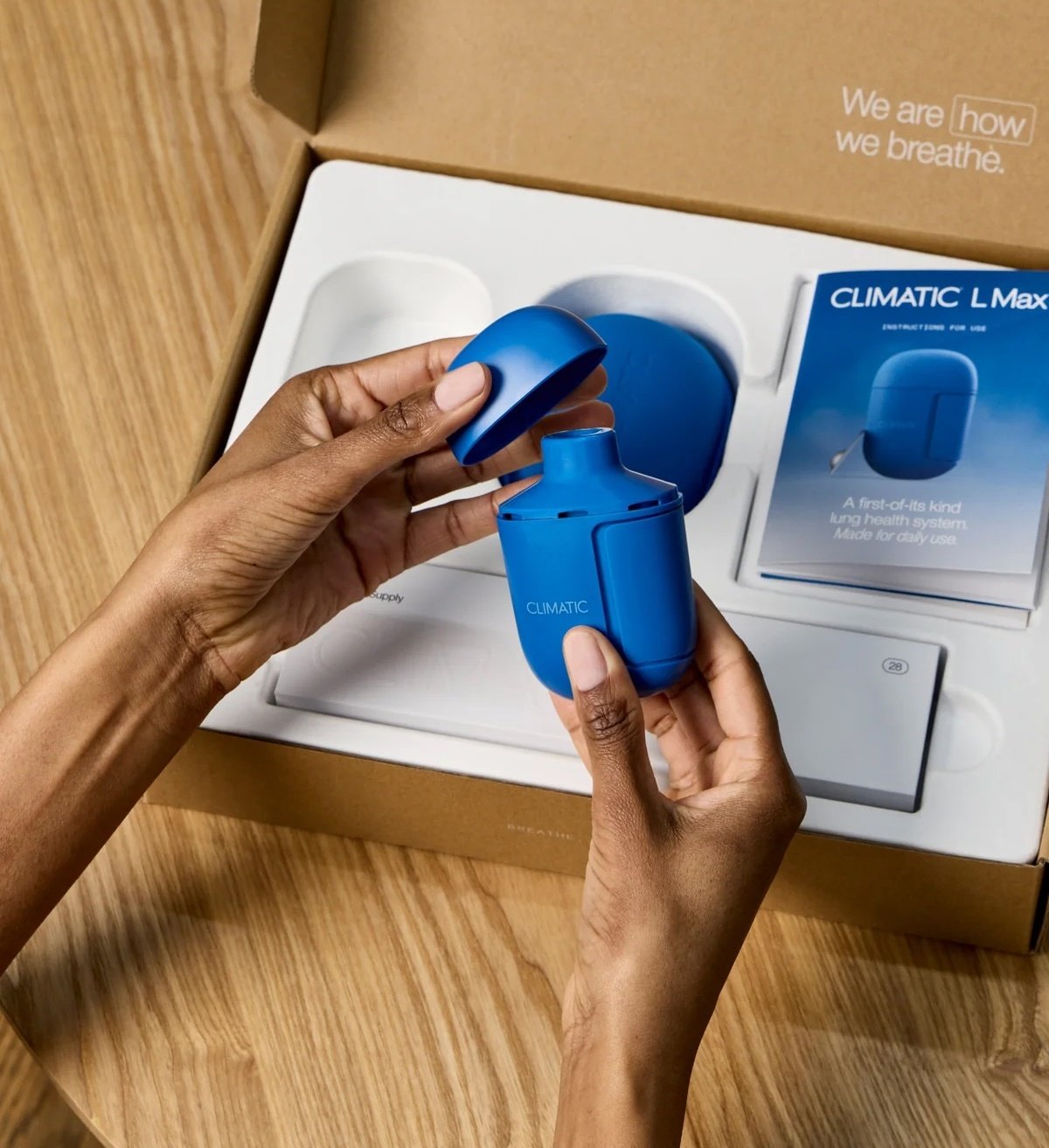
Most women learn about their hormonal health the hard way — through unexplained symptoms, frustrating diagnoses or years of being told their cycles are "just irregular." Mira, a San Francisco-based hormonal health company, is pushing back against that reality with a petition calling for mandatory, medically accurate sex and hormonal health education in all US public schools. The campaign is backed by sobering data: in a survey of its community, Mira found that 90% of women say sex education failed to prepare them for real life.

The petition calls for a curriculum that goes well beyond basic puberty lessons to cover menstrual cycle phases and hormonal regulation, the role of reproductive hormones in sleep, metabolism and stress, fertility literacy across different life stages, and early recognition of conditions like endometriosis and PCOS. While the situation is particularly dire in the US, where only 19 states require sex education to be medically accurate, even in countries that mandate decent sex education, the focus is frequently limited to pregnancy prevention and sexually transmitted infections.

TREND BITE
Mira's campaign positions hormonal literacy not as a niche women's issue but as a public health imperative. When students understand how estrogen and progesterone influence everything from insulin sensitivity to mental health, they are better equipped to seek care early, communicate symptoms clearly, and advocate for themselves in clinical settings.

It reflects a broader shift in how health companies are positioning themselves as advocates. Brands with deep ties to a specific health community increasingly have access to the kind of real-world data — on symptoms, diagnoses, and knowledge gaps — that public health institutions often lack. That gives them both the credibility and the commercial incentive to push for systemic change.

mira-calorie

Daily is TrendWatching’s free feed of innovations, trends and insights, selected by our analysts.

So youcan create meaningful innovations of your own❤️Want to receive a weekly dose of inspiration?

Subscribe now!

image 18
Talk to us
Be sure to ping our editor, Liesbeth, if you’re working on something new and exciting that Daily should feature.
THE COMPUTENT
27 February 2026

On March 8th, AI-powered app builder Lovable is making its platform entirely free for 24 hours to mark International Women's Day.

The initiative, dubbed SheBuilds and offered in partnership with Anthropic and Stripe, pairs free platform access to Lovable with USD 100 in Claude API credits and USD 250 in Stripe fee credits per participant. It's a package designed to remove the financial friction that might keep aspiring builders from experimenting. Over 30 community-hosted events across 17 countries will offer in-person support from experienced users, while an online track connects participants globally through Lovable's Discord server.

Lovable is a "vibe coding" platform, a tool that lets users describe what they want in plain language to generate functional web applications without requiring traditional coding skills. Why it's a good match for Women's Day? The persistent gender gap in tech. Women make up roughly a quarter of the global tech workforce and an even smaller share of technical and leadership roles.

By stripping away both the cost barrier and the coding prerequisite, SheBuilds is essentially proposing a shortcut around the traditional tech route — one that sidesteps gatekeeping and asks: what would you build if technical barriers didn't exist? (As coding automation ramps up at smoldering speeds, it's uncertain what "tech work" will even mean in a year or two. Areas where women already perform strongly, like product thinking, user empathy, problem framing and communication, might actually become more valuable.)

TREND BITE
SheBuilds is part of a broader shift in how to approach inclusion — moving from symbolic gestures toward initiatives that hand people tangible tools and agency. Rather than hosting a panel discussion or releasing a branded social post, Lovable is betting that the most empowering thing it can do is get its product into more hands and let the results speak for themselves. Access, not just awareness, drives change. Takeaway for other brands: pair a cause with some genuine utility for outcomes that extend well beyond a day on the calendar.

This is the bonus promo that when activated will appear first on the page. This is the bonus promo that when activated will appear first on the page. This is the bonus promo that when activated...
TRIBEFACTURING
26 February 2026

Miniature book charms dangle from bags as Coach and Penguin Random House merge fashion with Gen Z's reading revival. 

In a world of eight-second attention spans and infinite scroll, Gen Z is doing something unexpected: picking up books. Physical book revenues have grown 40% over the past decade, Barnes & Noble opened nearly 70 new stores in 2025 alone, and BookTok continues to turn obscure titles into bestsellers overnight. Now, Coach and Penguin Random House are riding that wave with a collaboration that merges fashion and literature in miniature form. 

Launching globally on March 7, the Explore Your Story collection features fully readable micro-book charms — tiny hardcovers with embossed spines and legible pages — designed to clip onto Coach's signature Tabby bags. Titles include Maya Angelou's I Know Why the Caged Bird Sings, Jane Austen's Sense and Sensibility, and Glennon Doyle's Untamed, each selected with input from Gen Z readers, Reese Witherspoon's Sunnie Book Club, and China Youth Daily. Coach worked with Penguin Random House in the US and independent publishers across China, Japan and Korea. Coach is also activating through college campus tours, in-store "Book Nooks," and partnerships with platforms like Bilibili in China. Book charms are priced at USD 95 each.

TREND BITE
The charms function as a cultural signal: not just "I accessorize," but "this is the story I carry with me." Coach has effectively turned literature into a wearable identity marker, tapping into the same impulse that drives BookTok hauls and TikToks of annotated pages. The broader play is smart, too. As the bag charm market matures past peak Labubu and playful novelty, brands could do worse than to offer something with more substance. Readable content with emotional resonance is a compelling answer. It also gives Coach a repeatable model: fan-sourced title requests are already rolling in on TikTok for future drops, essentially crowdsourcing a product roadmap built on cultural affinity rather than seasonal trend cycles.

SERENDIPITY SEEKERS
26 February 2026

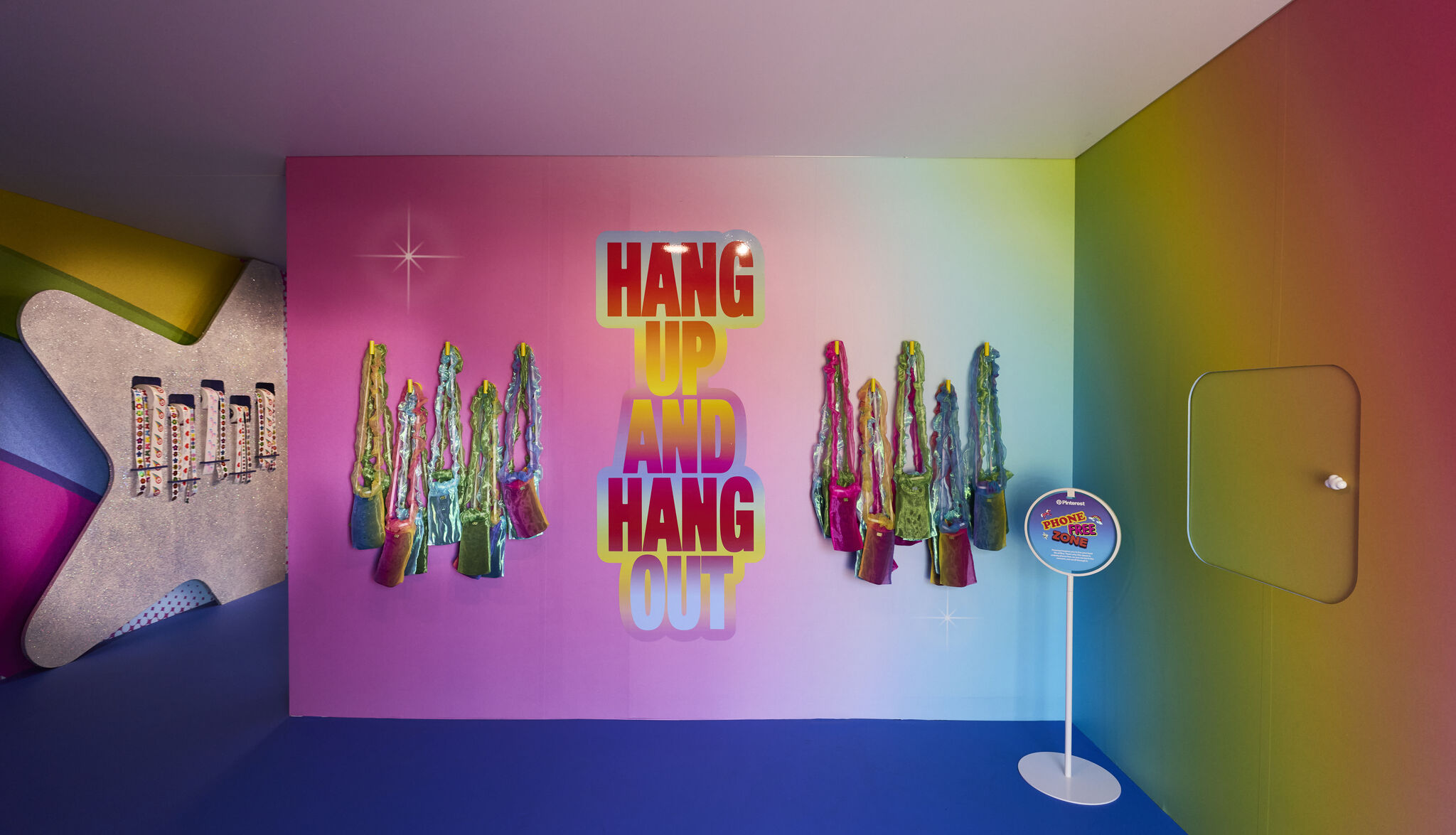
For the back-to-work moment after CNY, Starbucks handed out ribbon-cutting strips to transform the office return into a miniature grand opening.

The eighth day of the Lunar New Year carries a specific cultural weight in China: it's 开工日, the day when businesses traditionally return to operation and people file back to work. Starbucks timed its latest activation precisely to that moment. Customers who bought any drink on February 24th or 25th received one of six colorful ribbon-cutting strips designed to be wrapped around a laptop so the owner could perform a mini grand-opening ceremony at their desk. Starbucks also offered back-to-work wallpapers for phones and computers, plus a custom emoji set.

The campaign sparked predictable debate on Chinese social media, where some users criticized it as trivializing the collective dread of returning to work. But that pushback may have missed the point. While everyone was beset by the post-holiday blues, what Starbucks delivered was a small, low-stakes ritual for customers who might be feeling a little meh and lacking enthusiasm. As whimsical as it is, the ribbon-cutting ceremony reframes the return to the office as a beginning rather than an ending — a new doorway rather than the closing of the holiday.

TREND BITE
Starbucks' tiny desk ceremony is a tight example of what happens when brands earn relevance not by inventing a cultural moment but by understanding one that already exists. 开工 culture — with its mix of reluctance, superstition and genuine desire for a fresh start — gave Starbucks a readymade emotional tension to work with. The ribbon-cutting strips traveled well on social media precisely because they're slightly absurd.

In feeds saturated with polished campaign films and heavy-handed purpose plays, the low-fi charm of taping a ceremonial ribbon to your MacBook felt refreshingly unserious yet empathic. It didn’t ask anyone to believe that work is bliss. It simply offered a prop and encouragement to treat the first login of the year as a moment worth marking.

DREAMS UNBOUND
25 February 2026

A new tool allows users to create multimodal digital surrogates that operate across messaging apps, scaling their presence and acting as a mirror.

Yes, it sounds like a Black Mirror episode: an AI that looks like you, talks like you, and roams the internet answering DMs, negotiating brand deals, and posting content while you sleep. But Pika's new AI Selves platform is betting that what seems dystopian at first glance might actually be useful — and fun, too. The new tool, developed by Pika Labs (known for its AI video generator), lets users create persistent digital clones by uploading a selfie, recording their voice and answering personality questions.

The result is a multimodal AI version of the user: one they can interact with, and that acts on their behalf. AI Selves can operate across Slack, Discord, WhatsApp, Telegram and other platforms — chatting, creating content and even earning money for their humans. Users "birth" their clones, then watch them learn and evolve. They're not just chatbots executing commands; they're designed to develop personality quirks, send unprompted messages, and adapt their behavior across different contexts.

Pika's pitch leans heavily into the dystopian vibes (tongue firmly in cheek). But it also puts forth plausible and practical use cases. A content creator whose AI self makes thousands by interacting with fans while the human learns to surf. A founder whose clone handles team syncs and investor emails so they can make it to their kid's soccer game. The platform frames AI Selves as extensions rather than replacements: digital twins that scale someone's presence without the pesky limitations of having only 24 hours in a day.

TREND BITE
The narcissism alarm bells are hard to ignore. Creating an AI version of someone that performs their personality for an audience while they do literally anything else could accelerate the most self-absorbed tendencies of digital culture. However, another of Pica's hypothetical use cases suggests psychological benefits as well. The example is of someone who creates an idealized pop-star version of themselves, then finds that their clone's confidence and persistence bleed back into their own life. That feedback loop — where the digital self influences the actual human — hints at possibilities beyond productivity hacking.

The AI self is a mirror that talks back, potentially offering insights into who someone is and who they want to become. Most AI companies promise better task completion. Pika promises a holistic extension of a person: AI not as software, but as surrogate. The question isn't just whether consumers will duplicate themselves as AI clones and outsource their digital presence, but whether interacting with versions of ourselves might change us in ways we can't yet predict.

TIME SAVIORS
24 February 2026

A new brand wants to change how people interact with honey by addressing two persistent frustrations: the sticky jar and the gloopy drip. 

Honey Department's honey comes in a squeezable, infinitely recyclable aluminum tube, replacing the traditional glass jar or plastic container with packaging borrowed from the toothpaste aisle. The honey itself has been transformed through a "controlled micro-crystallization process" that creates a smooth, spreadable texture — thick enough to hold its shape on toast without running or dripping, yet creamy enough to squeeze from the tube.

Founded by Noah Phillips, son of a beekeeper, the product starts with 100% raw wildflower and mesquite honey sourced from a co-op in Central Mexico. The liquid honey undergoes processing at a family-owned Texas apiary, where it's transformed into what the industry calls creamed honey. By controlling crystallization to form microscopic, uniform crystals, the texture stays stable and won't turn grainy or harden. Tubes are priced at USD 15 for 6 oz (170 g).

TREND BITE
Honey Department illustrates how traditional food categories can be overhauled through format innovation rather than flavor novelty. The insight here isn't about honey itself — it's about everyday points of micro-friction. Jars require utensils, while plastic squeeze containers don't work with thick, creamy honey. And both can get messy. Tubes eliminate those snags. Making the tubes aluminum instead of plastic taps into another consumer expectation: packaging that feels both premium and environmentally considered.

For brands in mature categories, the opportunity lies in reimagining the physical experience of using a product rather than just reformulating what's inside. Format shifts can unlock new consumption occasions (desk lunches, after-workout snacks, anywhere and usage contexts that ingredient tweaks never could. (Related: Squeezing 25 espressos into an aluminum tube, No Normal fuels outdoor adventures.)

honey-department-squeeze

THE FUTURE OF MAN
23 February 2026

Secret Life Of Dads hosted a braiding workshop for fathers at a London pub, and tapped into something bigger than hair. 

A table full of hair mannequins, a pint in hand, and a crash course in braiding — that's the scene that played out at a Marylebone pub two weeks ago, when UK podcast Secret Life Of Dads hosted its first live event. Pints & Ponytails brought together a group of fathers who wanted to get better at something most of them had quietly struggled with: doing their daughters' hair. Trainers from Braid Maidens walked them through the basics, taking participants "from barely being able to do a ponytail to the Elsa by the end of the class."

The event, hosted above Local Saint's Marylebone pub with pints provided by the same, was deliberately low-pressure and social. That framing matters. As participant Joshua Wolrich put it afterward, "It was wonderful to meet a bunch of fellow girl dads who wanted to better their skills and share more of the unpaid emotional labor at home." On social media, the event went viral, with men in other cities looking to organize something similar in their own hometowns.

TREND BITE
Pints & Ponytails is a small event with an outsized idea: the everyday, unglamorous work of caring for children — including the 7 am scramble with a brush and a hair tie — is something fathers can and should be part of. The organizers removed any awkwardness by making the experience communal and fun. For brands and organizations thinking about how to reach millennial and Gen Z dads, this is worth paying attention to. This generation of fathers is actively looking to show up differently than their own dads did. They just need the tools, literal and otherwise, to do it.

FANTASY IRL
20 February 2026

Blizzard Entertainment has finally launched player housing in World of Warcraft (a feature its community had been requesting for decades), and Zillow is jumping in with a playful crossover. 

Zillow for Warcraft is a custom microsite that lets anyone browse a curated collection of in-game homes from the fantasy realm of Azeroth, complete with 3D tours and aerial-style visuals modeled on Zillow's real-world tools. Listings range from Stormwind townhouses to Horde-influenced bungalows, and the site will continue adding player-created homes over time.

For Blizzard, the partnership lends its new housing feature cultural legitimacy beyond the gaming bubble. For Zillow, it's an entry point into one of the most loyal digital communities on earth, arriving at the precise moment players are most excited about making a space their own. The meaning transfer runs both ways: World of Warcraft channels its fandom's creative energy toward Zillow, while Zillow confers "home legitimacy" on virtual housing. If Zillow becomes synonymous with envisioning your future home — whether that home is suburban, urban, or virtual — the brand equity compounds across realities.

TREND BITE
As the boundaries between physical and digital worlds dissolve, people are increasingly eager to play at the seams, exploring moments where the real and the imagined overlap. This collaboration works because it invites exactly that kind of play: browsing fantasy homes with real-world tools, treating a digital realm with the same aspirational energy usually reserved for Sunday afternoon Zillow scrolling. The takeaway for other brands? Don't just parachute into fantasy spaces. Instead, consider crafting singular moments that have one foot in the real and one in the constructed — experiences that feel native to both worlds and forced in neither.

NORM-NUDGING
19 February 2026

The average smartphone lasts about two years before it's replaced. Vignette Tech wants to flip the script on how people feel about holding onto their devices. 

The concept is simple: colorful stickers that users stick on the back of their phones, tablets or laptops — one for each year of use. Instead of looking outdated, a phone sporting stickers reading '22, '23, '24 and '25 signals longevity. Anyone who's driven through Switzerland will recognize the inspiration: the colorful annual toll stickers that accumulate on car windshields year after year. Vignette Tech transplants that familiar visual logic onto personal electronics.

The stickers are sold in sets covering different time ranges, with the latest edition running from 2026 through 2031, and are priced at EUR 4 or 5 per sheet. There's even a "Highlander" edition, for those rocking phones or laptops from the mid-2010s. Sales proceeds from the initiative, created by French design agency Machin Bidule, also support La Collecte Tech and Emmaüs Connect, organizations working on digital inclusion and electronic waste reduction in France.

TREND BITE
With manufacturers like Google and Samsung now offering seven-plus years of software support, the technical case for holding on to a phone has never been stronger — but the pressure to upgrade remains relentless. Vignette Tech is interesting because it addresses the problem at an identity level rather than at a guilt level. Instead of lecturing people about e-waste, it makes longevity a flex. That cultural reframing aligns with a broader pattern worth replicating: brands and creators finding ways to make sustainable behavior socially desirable rather than morally obligatory.

INTERVENTION SEEKERS
18 February 2026

By protecting the workers most exposed to the sun, Lidherma turned Argentina's iconic beach churro vendors into proof points for daily SPF use. 

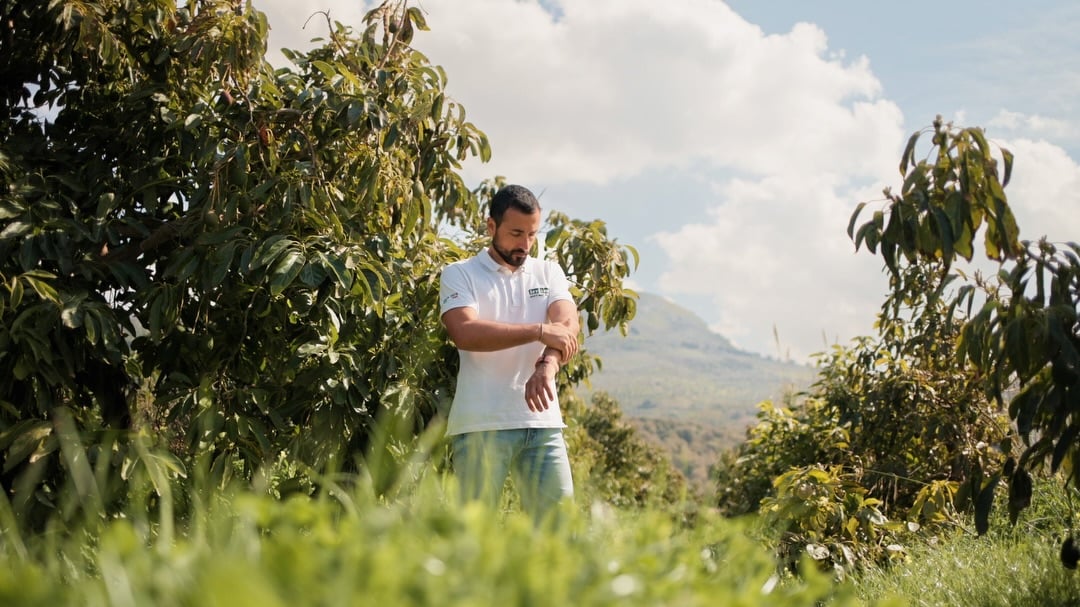
On Argentina's Atlantic coast, churro vendors are a quintessential element of summer on the beach. Walking for hours under relentless sun, baskets in hand, they're also among those most exposed to UV radiation. Skincare brand Lidherma spotted an opportunity. Partnering with El Topo, arguably the country's best-known churrería, the company equipped beach vendors in Pinamar, Mar del Plata and surrounding resort towns with sunscreen and branded caps, turning them into walking proof points for the importance of daily skin protection.

The activation extended beyond the vendors; promotional teams with customized bicycles distributed product samples and informational flyers. At El Topo's shops across coastal towns, baskets with sunscreen samples sat alongside the churros, and QR codes offered beachgoers the chance to win a year's worth of skincare. Lidherma embedded sun protection into an existing beach ritual — buying churros from a passing vendor —  at a moment when people are most exposed to the sun and might not be focused on protecting themselves.

TREND BITE
What makes the campaign land is the specificity of its empathy. Rather than a generic "wear sunscreen" message aimed at holidaymakers, Lidherma focused on the workers whose livelihoods keep them in the sun all day, every day — a group rarely considered in skincare marketing. That reframing does double duty: it gives the brand genuine social credibility while making the sun protection message more persuasive. For brands looking to activate around seasonal moments, the lesson is worth noting — the most effective campaigns don't just meet consumers where they are, they find an authentic angle that makes the message feel discovered rather than delivered.

SUBVERSION TACTICS
17 February 2026

Minocqua Marketplace aggregates 80+ vendors who've pledged not to fund MAGA candidates. A Kickstarter campaign is funding its national relaunch.

Consumer boycotts have a long history but a mixed track record. They tend to burn hot and fizzle fast, undone by the inconvenience of figuring out which companies deserve your cash and which don't. Minocqua Brewing Company, a small Wisconsin brewery that's loudly and proudly progressive, aims to solve that problem with Minocqua Marketplace. The e-commerce platform aggregates products from over 80 vendors who've pledged not to financially support MAGA-aligned candidates. The brewery recently launched a Kickstarter campaign and just crossed the USD 125,000 mark with over 1,300 backers.

Planned features include product comparison tools that display a marketplace item alongside its equivalent from a MAGA-aligned retailer, a barcode-scanning function that lets shoppers check products in physical stores for their political affiliations, and a "Certified Progressive" badge system developed with Goods Unite Us. The goal is to reduce the friction that typically kills boycott momentum. Founder Kirk Bangstad, who self-funded the initial build with brewery profits after failing to secure venture capital, is framing the relaunch as economic resistance infrastructure rather than just another online store.

TREND BITE
Minocqua Marketplace is responding to a specific need: "Help me align my money with my values. Simply, confidently and without hours of research." For brands watching from the sidelines, the takeaway is that consumers want transparency about where their money ends up, and the companies that can provide that clarity (or partner with platforms that do) may find themselves with a durable competitive advantage. Boycotts and buycotts aren't new, but platforms that systematize them — complete with verified donation data and real-time product alternatives — represent a shift from symbolic gestures to operational infrastructure. 

AI GENIES
16 February 2026

In the US, T-Mobile has launched what it calls the first real-time AI platform built directly into a wireless network, starting with Live Translation.

The new service enables phone call translation in over 50 languages without requiring apps, downloads or specific devices. It works on any phone connected to T-Mobile's network, from flip phones to the latest smartphones, as long as at least one caller is a T-Mobile customer. All they need to do is say "Hey T-Mobile, translate." Beta registration is open now for postpaid customers, with access rolling out this spring ahead of a commercial launch later this year.

Existing translation services typically require dedicated apps, specific hardware or separate subscriptions: barriers that limit adoption, particularly among less tech-savvy users or those on older devices. By embedding AI capabilities at the network level, T-Mobile is positioning translation as infrastructure rather than a product. The carrier is betting that removing friction from cross-language calls could deepen customer loyalty in ways that coverage and network speed improvements no longer can.

TREND BITE
T-Mobile's play reflects a deeper consumer expectation taking hold: technology should work invisibly to make life easier. The implications stretch well beyond telecom. For the 60 million Americans in multilingual households, real-time translation isn't a mere convenience — it's a tool for closeness and (intergenerational) connection. For small businesses, it means no longer losing customers because of a language gap. Scale that up to healthcare, where language barriers contribute to misdiagnosis and delayed treatment, or to government services, where they block access to housing, benefits and legal aid, and the stakes become even more evident.

The pattern emerging here is one brands across sectors should watch closely: consumers will increasingly expect intelligence embedded at the infrastructure level, requiring zero setup, and designed to enhance human connection rather than replace it. The organizations that deliver on that — whether they're carriers, banks, hospitals or public agencies — will set a new standard for what "accessible" actually means.

Keen to access all our trends, insights and innovations? Check out Amplify, our Trend Intelligence Platform 💥
SOCIAL FABRICS
15 February 2026

On Valentine's Day, French retailer Fnac hosted what it billed as its first-ever cultural speed dating event at its Callao flagship in central Madrid.

Participants signed up, picked a passion — music, film and TV, books, video games, or manga and anime — and were matched for a series of rapid-fire five-to-seven-minute conversations with strangers who shared their interests. No algorithms, no swiping. Just two people, a shared obsession, and a ticking clock. Those who felt a spark were encouraged to exchange contact details on the spot or, for the shy, leave a handwritten note.

The framing was playful and deliberately low-pressure. Fnac made no promises of romance, only that attendees would "go home with a new title on their to-read list." By anchoring the experience in cultural interests rather than physical attraction or curated bios, the retailer sidestepped the transactional awkwardness that can plague traditional speed dating. It also gave itself a natural role as host — a bookstore-meets-record-shop is arguably one of the few retail environments where bonding over a favorite film or a heartbreaking anime feels completely organic.

TREND BITE 
Fnac's speed dating event sits at the intersection of two currents reshaping how brands can create value in physical spaces. The first is the growing appetite for IRL connection among younger consumers weary of app-mediated dating and algorithmically filtered social lives. The second is the ongoing reinvention of brick-and-mortar retail as a venue for experiences that screens simply can't replicate. By turning its store into a meeting ground organized around shared passions, Fnac transforms a Valentine's Day marketing moment into something with longer legs: a reason for new customers to walk through the door, linger and associate the brand with genuine human connection rather than just transactions.

STATE OF PLACE
13 February 2026

Barcelona was just named Europe's first Capital of Small Retail, crowning years of deliberate policy work.

The city's small retail sector accounts for 13.2% of GDP and supports more than 152,000 jobs, with over 90% of ground-floor commercial premises occupied. But what earned Barcelona the designation isn't the size of its retail ecosystem so much as the depth of its strategy. The city runs over 40 interlocking initiatives spanning sustainability, digitalization, mobility and entrepreneurship.

Among the most distinctive is Amunt Persianes ("Raise the Shutters"), through which the city council has invested EUR 17 million in purchasing empty ground-floor premises and offering them to local entrepreneurs at 30-50% below market rent. Rather than waiting for market forces to fill vacant storefronts, Barcelona is treating street-level retail space as public infrastructure. Italy's Silandro and Portugal's Caldas da Rainha also earned the EU-backed title, in the small and mid-sized city categories, respectively.

TREND BITE
The European Capitals of Small Retail initiative formalizes a new urban strategy: treating small retail as a public good. For decades, small shops have been framed as casualties of progress: charming but doomed by e-commerce and big-box efficiency. Barcelona's approach flips that script, treating independent retail as essential civic infrastructure — a generator of jobs, social cohesion and neighborhood identity that justifies active municipal investment.

The playbook is practical: combine data-driven policymaking with direct intervention, embed sustainability into existing retail networks rather than bolting it on, and build public-private coalitions broad enough to survive political cycles. For businesses watching the slow hollowing-out of commercial streets in their own cities, the takeaway is that revitalization doesn't require a savior brand or a market upswing; it requires treating every shuttered storefront as a design problem with a policy solution.

THE GOOD DEED ECONOMY
12 February 2026

Every day, countless McDonald's customers pick the pickles off their burgers. In the Nordics, the fast food brand found a way to give that throwaway moment a second life.

With 'Pickle It Forward,' running from mid-January through early March 2026, every pickle removed via the app or kiosk is symbolically deposited into a digital 'pickle bank.' Pickle lovers can then dip into the communal stash and add up to four extra pickles to their burger, free of charge. The person who ditched their pickles will never know who benefited, and the person loading up on extras won't know who made it possible — but a small, silly loop of generosity now connects them.

The beauty of the mechanic is that it asks almost nothing of participants. They were going to remove those pickles anyway — now that act of personal preference becomes a gift to a stranger. It's generosity stripped down to its most frictionless form, wrapped in humor rather than earnestness, and tapping into a picklemania on socials, which have been awash with pickle-flavored everything, from drinks to ice cream. The campaign, developed by NORD Copenhagen, latches onto that hook by involving duos — a pickle lover paired with a pickle hater — across TikTok and Instagram, with real-time data tracking on which cities skew lover or hater.

TREND BITE
There's a broader pattern here worth noting. As consumers grow weary of performative brand activism, campaigns that facilitate micro-interactions between customers — even small and frivolous ones — can generate goodwill that grand gestures sometimes can't. Pickle It Forward works because it doesn't ask people to care about pickles; it asks them to do exactly what they were already doing, then reveals that it brought pleasure to someone else. For brands looking to foster a sense of community, the lesson isn't to manufacture shared causes from scratch. It's to look at the preferences and behaviors customers already express, and find the invisible thread that connects one person's "no thanks" to another person's delight.

Back to Top