Ritualized
21 November 2024

A new whitepaper from WARC Advisory and MSQ uncovers the untapped magic of rituals in peopleโ€™s lives: Ritualized: where marketing meets meaning. Of 4,000 consumers surveyed (๐Ÿ‡ฉ๐Ÿ‡ช๐Ÿ‡ฌ๐Ÿ‡ง๐Ÿ‡ซ๐Ÿ‡ท๐Ÿ‡บ๐Ÿ‡ธ), 72% weave brands into their rituals, 70% are open to adopting new rituals, and 39% feel more positively about brands that become part of their rituals.

Rituals arenโ€™t just (sometimes pseudo-religious) routines โ€” theyโ€™re emotionally charged behaviors with transformative potential. By syncing with these moments, brands can spark lasting loyalty and boost emotional value. The paper defines four principles to guide brands as they explore the role of rituals in the lives of their customers:

1๏ธโƒฃ Rituals are deeply personal: 1-in-4 consumers say rituals give life purpose, with strong ties to mindfulness and self-care.

2๏ธโƒฃ Rituals support the individual: In todayโ€™s atomized world, rituals nurture the self and relationships โ€“ 56% focus on personal care or connecting with others.

3๏ธโƒฃ Rituals provide structure in chaos: They stabilize, offering structure (33%), control (31%) and escape (32%).

4๏ธโƒฃ Rituals balance meaning and efficiency: As hyper-efficiency reigns, rituals bring emotional depth, adding soul to their schedules.

In 2025, could your brand engage with rituals that help people find purpose or pause? As MSQ and WARC repeatedly point out: โ€Consumers create their own rituals and decide whether and how to incorporate brands โ€” not the other way around. A truly customer-centric approach is necessary to make the most out of this opportunity. The advice? Observe, facilitate, participate.โ€

Healthy discourse
18 November 2024

Originally created by Twitter co-founder Jack Dorsey, Bluesky is a decentralized microblogging app that lets users curate their own algorithms with custom feeds (now firmly on Zuckโ€™s must-copy list). Growth was steady but slow, sparking doubts: would it flop like Koo or could it be a viable alternative to X? Fast forward to today: in just two weeks, Blueskyโ€™s user base soared to 19M+ as people fled X for calmer skies following the US election. The platform has become a refuge from Muskโ€™s increasingly polarizing space (soon to be state media?), where political content feels unavoidable.

In 2025, could Bluesky dethrone X and solve misinformation and cyberviolence? Spoiler: nope. But its rise shows one thing: users crave better social spaces. ๐Ÿ’ฌโœจ Think: places to connect, debate (without toxicity), and explore identities. So, how can brands and platforms join this Elon-free movement?

โœ‹ Take a stand: Follow The Guardianโ€™s lead and say goodbye to X.

๐Ÿ’ก Be inspired: Blueskyโ€™s anti-toxicity tools and no-gen-AI-training pledge are setting new benchmarks.

๐Ÿ”— Get together: Bluesky might not win on its own, but apps like Openvibe, which merges Mastodon, Bluesky and Threads, demonstrate the power of combining decentralization and aggregation.

Artificial unintelligence
14 November 2024

With iOS 18.1 and macOS 15.1, Apple introduced the Apple Intelligence suite, which boasts notification summaries, email shortcuts and photo editing tools designed to โ€œsimplify and accelerate everyday tasks.โ€ While the aim is to streamline, Appleโ€™s AI-powered summaries have become as much of a punchline as a productivity boost. Unlike rivals Google and Samsung, which fairly consistently deliver refined, time-saving AI, Appleโ€™s small-scale LLM seems prone to delightful misunderstandings ๐Ÿคญ

Take @AndrewSchmidtFCโ€™s experience: a notification from his mom about a challenging hike was summarized as an attempted suicide โ€” causing a moment of shock, followed by hilarity and over 13 million impressions on X. It doesnโ€™t take much searching to uncover countless other examples of users being met not with essential updates, but with misinterpretations that swing from amusing to absurd.

As entertaining as those fails are, Appleโ€™s AI isnโ€™t just a comedy of errors. The summary feature is generally useful when digesting longer texts; itโ€™s the brief messages that are more likely to trip up the system. And while the new tools might fall short of high expectations set by Appleโ€™s marketing department, they also underscore that progress doesnโ€™t happen at a steady, linear pace. Alongside unfathomable leaps and bounds, there can be baby steps, missteps and the occasional face-plant โ€” even for a behemoth like Apple. So, whether your own company is dabbling with or diving into AI, be prepared to pick yourself up and dust yourself off ;-)

Ageless economy
13 November 2024

As age-based segmentation becomes less relevant for predicting consumer preferences and behaviors, brands are getting increasingly playful in how they engage with audiences young and old. Rather than focusing on perceived generational divides, theyโ€˜re creating products and experiences that resonate across age groups while challenging outdated assumptions about how people should behave at different life stages.

A few recent examples of brands embracing the shift:

๐ŸŽข Swedish amusement park Liseberg assembled a team of octogenarians to break the world record for the highest average age on a roller coaster, achieving an 80.1-year average and generating close to a million TikTok views.

๐Ÿงธ Major toy manufacturers, including Mattel, Lego and Hasbro, are actively developing products for โ€œkidults,โ€ with adult toy sales surpassing those of preschoolers in H1 2024. Adult customers in the US spent nearly USD 7 billion on toys in the year leading up to July 2024.

๐ŸŽฎ IKEA tapped 76-year-old Twitch streamer Cath Bowie as the face of its BRร„NNBOLL gaming collection, recognizing that seven million UK gamers are over 55 and 49% of British gamers are female. Bowie says it was โ€œlove at first sightโ€ when she was introduced to Fortnite and now streams daily.

๐ŸŸ Pepperidge Farm playfully rebranded Goldfish crackers as โ€œChilean Sea Bassโ€ in a limited campaign that acknowledged adultsโ€™ continued enjoyment of the childhood snack, giving them permission to embrace their inner snacker without feeling like theyโ€™re raiding their kidsโ€™ lunch boxes.

๐Ÿงถ With age-related stereotypes continuing to unravel, how can your brand lead the way through a more nuanced reality, where interests and behavioral patterns and interests transcend generational boundaries?

Pets > kids?
11 November 2024

Last month, Mars released a global study by Ipsos on pet ownership, surveying 20,000+ pet parents across 20 countries and delving into the lives of pet parents and the flourishing pet economy. A few key insights:

๐Ÿ“ˆ Pet ownership surge: 56% of people now call themselves pet parents, 47% of whom are first-timers

โค๏ธ Pets first: For 37% of pet parents, their furry friend ranks as the most important aspect of their lives, offering unconditional love, a sense of family, fun and stress relief

๐Ÿฑ Cat vs. ๐Ÿถ dog: Cat ownership is more common than dog ownership globally, with more men (52% male vs 48% female) owning cats

๐ŸŒฑ Sustainability: 45% prioritize it when choosing pet food

This isnโ€™t just about a pet food maker like Mars, as the brand puts it, โ€œembedding pet parent centricity into [its] DNA to transform the experience and build lifelong relationships with the 455 million pets and pet parents.โ€ Brands across the board are recognizing this USD 500 billion opportunity and introducing everything from pet-friendly fitness classes to Whopper-flavored biscuits.

Why now? While pets are part of the family for people of all ages, significant numbers of both millennials and Gen Z are choosing pet ownership over parenthood. Since pets are a proven gateway to consumersโ€™ hearts, brands can win loyalty by tapping into that profound human-animal connection. How could you create genuinely pet-friendly products and experiences? Or engage pet lovers and non-pet lovers alike? For inspiration, check out Seoulโ€™s neighborhood paw patrol and Montrealโ€™s free dog behavior workshop.

Minding MENA
8 November 2024

While Calmโ€™s 30-second US election ad went viral, we got a look at the state of mental health in another region via GIGโ€™s 2024 Wellbeing Report. Saudi-based insurance group GIG commissioned YouGov to survey people in Saudi Arabia, UAE, Egypt, Jordan, Kuwait, Oman, Qatar and Bahrain, and here's what they said:

๐Ÿ“Š 65% faced mental health challenges last year, with 34% reporting anxiety and 23% depression
๐Ÿ” 62% self-diagnosed their issues
๐Ÿ’ฌ While 63% say seeking help is stigma-free, 35% donโ€™t know where to go for support
โš ๏ธ Top stressors? Financial concerns (43%) and future worries (35%)

The mental health crisis wonโ€™t disappear in 2025. Support gaps are widening in many parts of the world, and people will welcome brands that step in to help. Two objectives for your organization to focus on:

๐Ÿฌ Increased accessibility: Could you boost access and lower barriers to psychological services? Consider Dubaiโ€™s shopping malls offering on-site, walk-in centers for psychiatry and counseling

๐Ÿ›‹๏ธ Early intervention: What if you could help people find comfort and support before they reach a breaking point? Take inspiration from Zimbabweโ€™s Friendship Bench, where people can chat openly with trained community members

The human touch
7 November 2024

The creator economy is reaching new heights, with nearly two-thirds (65%) of consumers now purchasing products and services from creator-founded companies. That's according to creator agency Billion Dollar Boy, which recently polled 4,000 people across the US and UK.

According to that research โ€” keeping in mind that the company stands to benefit from a buoyant creator economy โ€” creator entrepreneurs are slightly outpacing traditional brands on consumer preference, with 27% of shoppers more likely to buy from creators or influencers, compared to 24% who expressed a preference for established companies. Buying behavior is particularly pronounced among younger demographics, with 91% of consumers aged 16-24 having purchased creator-founded products.

Behind this shift lies a mix of motivations. While 35% of shoppers say they want to support small and emerging businesses, nearly a third believe the products on offer are actually superior in quality. Other reasons: trusting influencers over traditional brands, feeling like part of a community, wanting to get in on a trending product and being a loyal follower of a creator.

So, what are people buying? Personal care/beauty leads the category mix, with 40% of consumers having purchased a creator-founded skincare, make-up or haircare product. Food and drink is next at 21%, followed by fashion at 17%. The phenomenon is notably stronger in the US, where 71% of consumers have bought from creators, compared to 58% in the UK.

Precarious
5 November 2024

Many of your stakeholders โ€” from customers to factory workers โ€” are feeling more fearful and vulnerable. The 11th Future Risks Report by Ipsos and AXA surveyed 19,000 people and 3,000 experts worldwide, revealing an escalating mood of anxiety. The cause? A relentless polycrisis ๐ŸŒช๏ธ

According to the data, 90% of people sense a surge in crises, while 91% feel the pressure is hitting harder every day. Vulnerability is at an all-time high: of the 25 risks studied, 22 have record levels of concern. Climate-driven issues might top the list of worries, but AI risks are also on the radar, and societal and political anxieties are surging. Misinformation is now among the most feared threats ๐Ÿคฏ

Dutch Design Week
1 November 2024

Dutch Design Week 2024, Northern Europeโ€™s largest design event, lit up the stage with Europeโ€™s freshest creators. Hereโ€™s a peek at top student concepts sparking change:

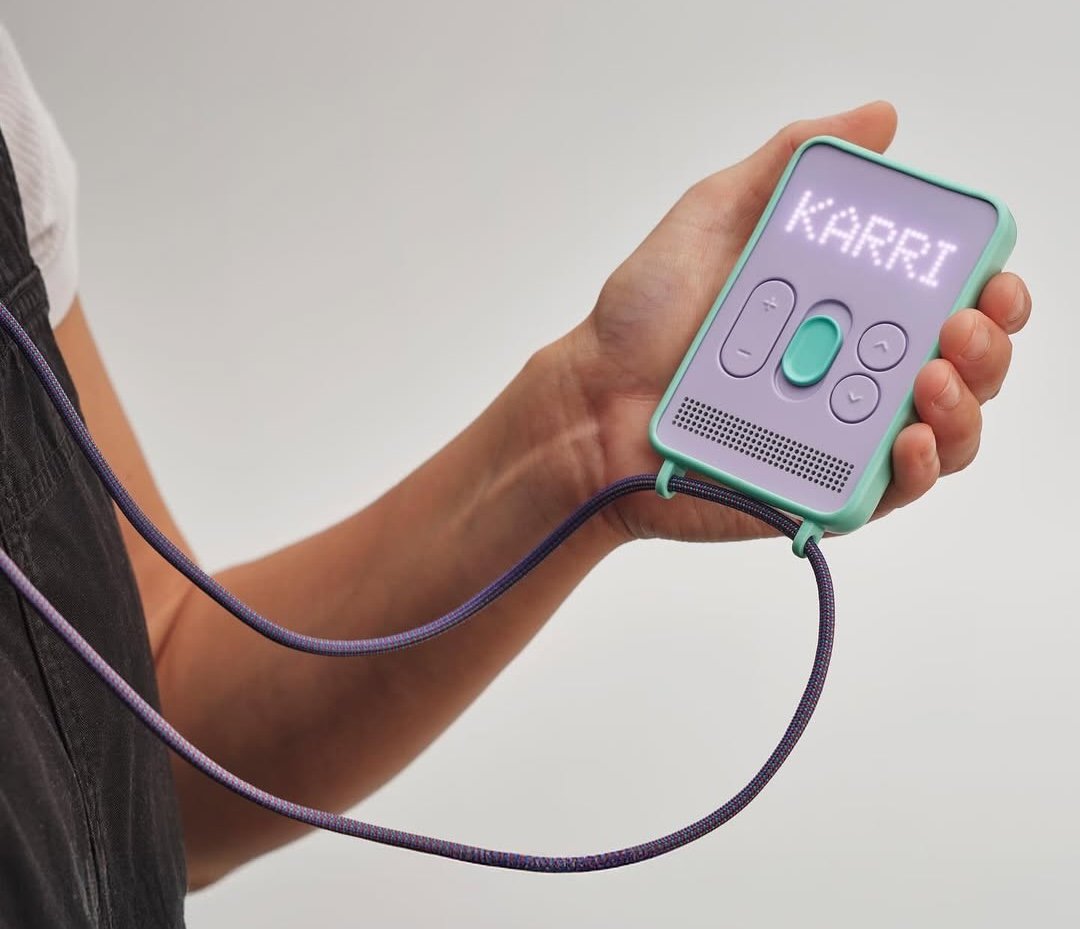
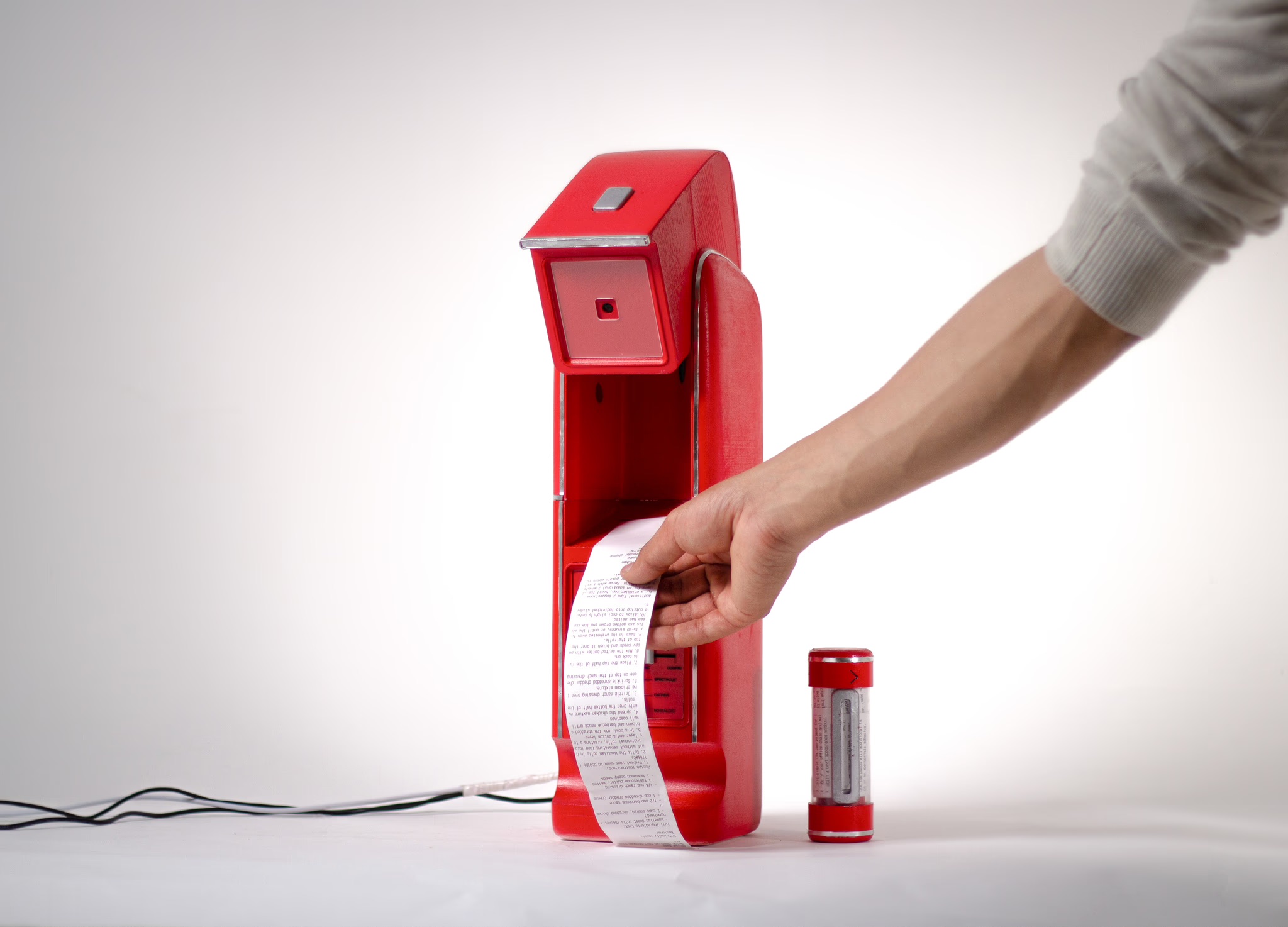
๐Ÿง˜ NOISE takes mindfulness beyond mobile apps with a tactile, audio-visual device by Benedikt Herzau. ๐Ÿ‡ฉ๐Ÿ‡ช Winner of the UX Design Award Gold 2024, itโ€™s a soothing escape from digital chaos.

๐Ÿงต Screen time has dulled kidsโ€™ fine motor skills, but Anna-Maria Nilsson ๐Ÿ‡ธ๐Ÿ‡ช weaves a solution with KLURA โ€” a math-meets-embroidery tool to revive dexterity and creativity.

๐Ÿ† Sex-toy shopping gets a stigma-free twist with Sander van der Lecqโ€™s ๐Ÿ‡ณ๐Ÿ‡ฑ conceptual store for easytoys_nl, where imagination flows freely.

๐Ÿฆœ Mundo Pemรณn, a VR tour by Ana Lorena Lodeiros, ๐Ÿ‡จ๐Ÿ‡ญ invites users to explore Venezuelaโ€™s Canaima region and Pemon culture, raising Indigenous awareness through immersive storytelling.

๐Ÿงด Addressing the Sephora kids debate, Nataly Sijtsma ๐Ÿ‡ณ๐Ÿ‡ฑ introduces SkinTwin, duo skincare packs for kids and caregivers that build healthy habits and bonding time.

๐Ÿ’ง The Reef by Anton Vervoort ๐Ÿ‡ง๐Ÿ‡ช leverages the filtering power of Dreissena polymorpha mussels to tackle agricultural water pollution. Winner of the national James Dyson Award.

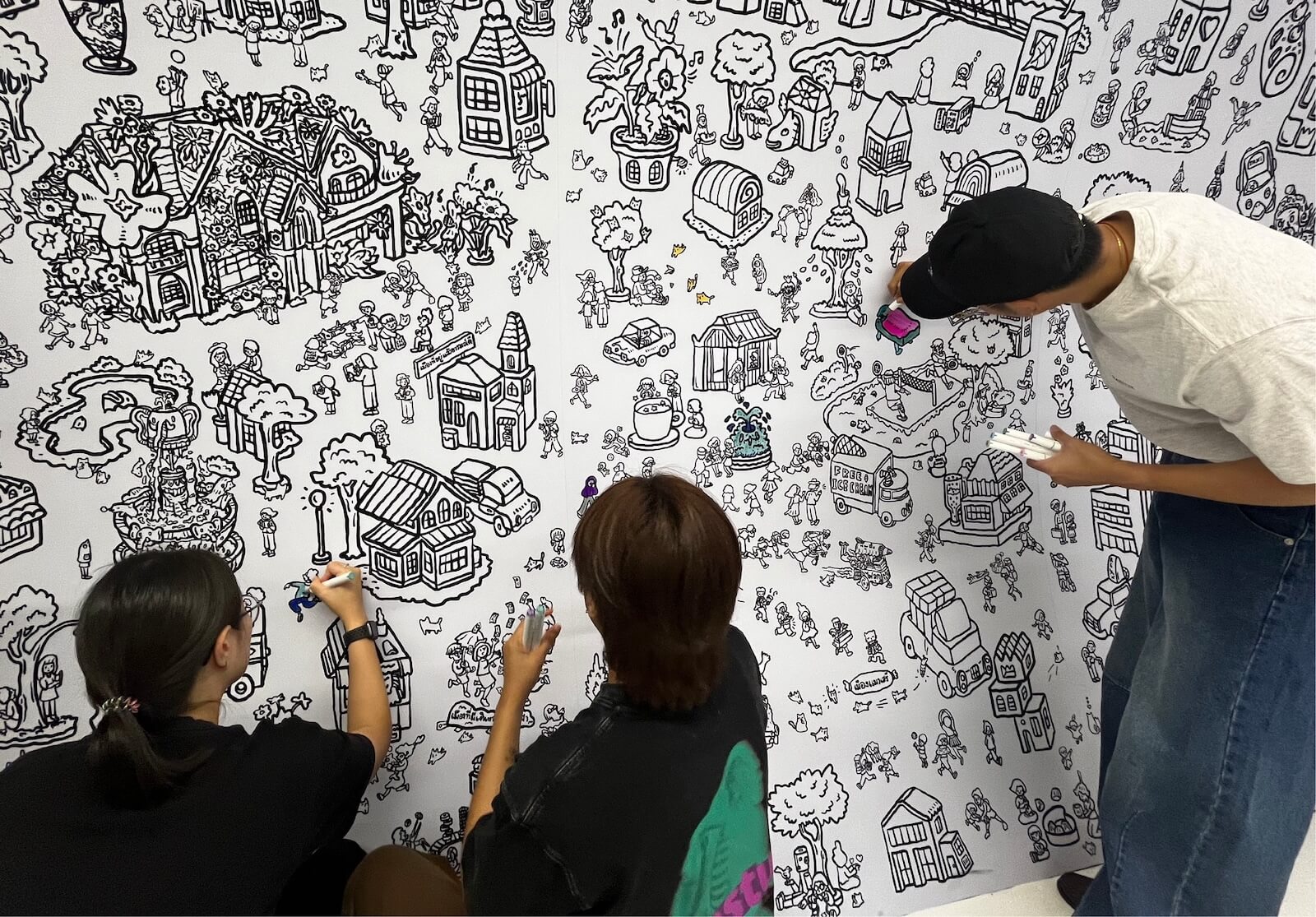
Are your brandโ€™s pain points ready for a student-inspired fix? Explore these projects and more by DDW creators to shape the future of design ๐Ÿ”ฎ

Tipping point
31 October 2024

WWF's Living Planet Report 2024 sounds the alarm: average wildlife population sizes have plunged by 73% (!) since 1970, with the steepest declines in Latin America & Caribbean (95%), Africa (76%), Asia-Pacific (60%) and freshwater ecosystems (85%). Ecosystems are nearing their tipping points, from the Amazonโ€™s rapid dieback to coral reefsโ€™ decline.

For 2025, itโ€™s time to take off the carbon tunnel glasses and bring biodiversity into focus. This weekโ€™s UN biodiversity conference in Colombia urges brands to act, too!

๐Ÿ’ก Ask yourself: how is your brand contributing to biodiversity loss? What can you do to safeguard and regenerate nature? Amid rising climate adaptation demands, consider how youโ€™ll reshape your processes and priorities with biodiversity โ€” and its (mainly Indigenous) guardians โ€” in mind.

Cost of hesitations
29 October 2024

Accenture's Life Trends 2025 report surveyed consumers across 22 markets and spotlights 5 key trends. One that caught our eye? Cost of hesitations. And this stat in particular: 62% of consumers now say trust is an important factor when choosing to engage with a brand, up from 56% in 2023.

In 2024, consumer trust was put to the test as AI-generated content flooded feeds. Concerns over algorithmic bias, copyright, deepfakes and privacy rose, leaving 59.9% of consumers doubting online authenticity. Platforms that were formerly discovery-friendly spaces became oversaturated with AI-generated content, leaving consumers more wary than ever.

๐Ÿ“‰ A closer look: 38% of consumers encountered fake product reviews in 2024, while 52.8% regularly question the authenticity of reviews they read. But the problem is bigger than reviews โ€” everything from product visuals to brand identities (Austin's viral restaurant Ethos doesn't actually exist; all the images on its Instagram feed are AI generated ๐Ÿฅ๐Ÿฆ›) are under a microscope. Heading into 2025, how can brands rebuild trust and show AI delivers real value, not just quick ROI?

PRECARIOUS
23 October 2024

A study just published by The Lancet Planetary Health explores climate-related emotions among US adolescents and young adults aged 16-25. Six key findings:

๐Ÿ™ Of the study's 15,793 respondents, 85% reported being at least moderately worried about climate change and its impacts, with 58% being very or extremely worried, which is notably higher than in previous studies and suggests climate concerns are intensifying rather than diminishing among young Americans.

๐Ÿ—ณ๏ธ The distress cuts across political lines. While Democrats showed higher levels of concern, a majority of young Republicans also reported significant worry about climate change, challenging assumptions about partisan divides. Nearly one in four (73%) said they're likely to vote for candidates who support aggressive climate policies, indicating this issue could influence future voting patterns and policy.

๐Ÿ‘ถ Climate anxiety is impacting major life decisions: 69% said climate change will influence where they choose to live, 67% expect it will affect their career choices, and 52% report being hesitant to have children due to climate concerns.

๐Ÿง  Mental health impacts are significant, too: 43% indicated climate change is affecting their mental health, while 38% reported that climate-related feelings negatively impact their daily functioning, including the ability to focus at work/school, sleep, eat and maintain relationships.

๐Ÿญ Those surveyed primarily place responsibility with corporations and industries (89%) and with the US government (86%) for both causing and addressing the climate crisis, suggesting they expect systemic solutions.

๐Ÿ’ผ Corporate climate action matters to young talent: 67% report they plan to choose employers based on commitment to sustainability and reducing climate impact, which will no doubt affect future workforce dynamics.

Swimming with the mass currents
21 October 2024

Spotifyโ€™s Culture Next report is here and it spotlights how youth across 16 countries are remixing culture. The three trends shaking up the soundscape?

๐Ÿ‘ฏ Blendships: music and podcasts are Gen Z's go-to for deeper connections

๐ŸŽธ Playlist Diary: hyper-personalization gives Gen Z that main character energy

๐ŸŽถ Mainstreaming: Gen Z is (re)embracing the mainstream. In fact, 80% of US Gen Z say niche and underground culture are going mainstream, with near-identical percentages in the UK (81%) and Australia (84%). By comparison, 74% of Gen Z labeled themselves as mainstream in 2023, up from 59% in 2021

Peak longevity
17 October 2024

Medical breakthroughs have extended lives, but the pace is slowing. In the 1990s, life expectancy in the longest-living countries grew by 2.5 years per decade. By the 2010s? Just 1.5 years. And even eliminating all deaths before age 50 would only add 1.5 years to the average lifespan, according to an October 2024 Nature Aging study. ๐Ÿ“‰

Despite billionaires chasing immortality, aging isn't slowing down. As public health expert S. Jay Olshansky puts it, "Bodies donโ€™t operate well beyond their warranty period." Bad news for the 32% of Americans who want to live forever.

It's time to focus on health-span instead of living 120 years. Women, who outlive men but spend 25% more time in poor health, could especially benefit.

Forget pricey longevity retreats โ€” how about free preventative bio-age testing or rewarding healthy living? ๐Ÿ‘ต๐ŸŒฟ

Who cares if it's real?
16 October 2024

Recent events surrounding Hurricane Helene brought the issue of fake vs real imagery into sharp focus. Speaking to his Hard Fork co-host, journalist Casey Newton reported on the circulation of an AI-generated image of a frightened young girl on a boat holding a puppy. "Yeah, so a number of high-profile right-wing accounts have been sharing this stuff online. Utah Senator Mike Lee reposted the girl with the puppy on his personal X account, although he did later delete it. That same image was shared by Amy Kremer, who is a Republican National Committee โ€” National Committeewoman, and a co-founder of Women for Trump."

"And Kevin, I thought this was interesting because after she was called out for posting this fake image, she said, quote, 'I don't know where this photo came from and honestly, it doesn't matter. It is seared into my mind forever. There are people going through much worse than what is shown in this pic. So I'm leaving it because it is emblematic of the trauma and pain people are living through right now.' So that's a pretty rich text, I would say, because what it's telling us is, we're now in a world where we share things not because they're true, but because they're emblematic of the way that we feel."

Valuing the emotional resonance of a photo over its factual accuracy isn't limited to news events. It's a notion that's increasingly encouraged by phones and other tools people use to capture and edit everyday, personal images. Pictures of their kids, their honeymoon, a picnic with friends. A few months back, Wired spoke to Isaac Reynolds, the group product manager for Google's Pixel Camera, about Pixel's new AI tools that allow people to entirely alter photos they've taken. 

Reynolds said, "It's about what you're remembering. When you define a memory as that there is a fallibility to it โ€” you could have a true and perfect representation of a moment that felt completely fake and completely wrong. What some of these edits do is help you create the moment that is the way you remember it, that's authentic to your memory and to the greater context, but maybe isn't authentic to a particular millisecond."

As the lines between fake and real blur at accelerating speed, businesses and marketers face new challenges and opportunities. How will consumers' relationship with visual content evolve? What are the implications for brand authenticity in a world where "authentic" might mean "emotionally true" rather than "factually accurate"? Should we stop thinking of this as a problem to solve and start viewing it as a new reality to navigate?

Back to Top