
Cautious consumers
22 August 2024

The so-called 'millennial lifestyle subsidy' โ€” convenience offered at low prices by a slew of venture capital-backed apps and services โ€” is coming to an end. No more free money means apps are raising prices, while higher interest rates (and inflation) are also cutting into consumer spending power. Many are still happy to pay for convenience, as witnessed by strong Q2 earnings posted by Instacart and DoorDash.

Others, once accustomed to cheap rides and meal deliveries, are now seeking alternatives. Reporting on the shift, Business Insider describes 31-year-old Sarah Manley facing sticker shock: "If I was using rideshares and the delivery apps and everything the way I was, I would run out of money each month," she says. Some people are ditching delivery and reverting to old-fashioned, pre-app shopping habits; others are getting creative and thrifty, comparing prices across platforms and using public transit more often.

Companies are refining their pricing models and strategies, too. Bilal Baydoun of the Groundwork Collaborative warns that dynamic pricing could become more widespread, making budgeting difficult for consumers: "It's making people miserable to not know what things cost." As businesses pursue new pricing tactics, customer loyalty may erode (or worse, as witnessed by the backlash against supermarket Kroger for alleged price gouging by way of electronic shelf labels). The good news? Caution and concerns create space for empathic brands to demonstrate they understand the plight of value-focused consumers.

Involved iteration
20 August 2024

Brands have been co-creating products and services with customers for decades. The concept is gaining fresh momentum in the form of open beta testing, with various brands โ€˜launchingโ€™ semi-baked products and inviting consumers to help adapt and refine. 

Why now? On the one hand, itโ€™s a transparency play from brands looking to build strong, trusting relationships with consumers. And on the other, it reflects the growing presence of generative AI, which consumers are increasingly using to (wildly) reimagine existing brand offerings however they please.

A couple of recent examples that demonstrate how brands are tapping into consumer preferences and creativity for involved iteration:

  • MM:NT Berlin Lab defines itself as a beta-hotel and the worldโ€™s first and only โ€˜hotel laboratoryโ€™. The highly digitized property opened in July 2024 with the intention of learning more about consumer preferences and behavior over time โ€“ information it will then leverage to continually tweak and improve the guest experience both in Berlin and in future hotels it plans to open. 
  • KFC Philippines recently launched a campaign inviting consumers to use an AI-powered image generator to create Meta stickers of their dream KFC snacks. After gathering countless data points on consumer preferences, the brand selected 11 of the most innovative ideas and rustled them up IRL. While KFCโ€™s snacks were just prototypes to be enjoyed by the winners, rather than consumer-facing products, the initiative reveals how gen AI is becoming a valuable testing ground for brands who are brave enough to engage with it.

Is it time to rethink your launch strategy? Whether or not you make AI part of the mix, bring consumers into your product development process by involving them in your earliest iterations.

Influencer pay gap
19 August 2024

SevenSix Agencyโ€™s 2024 Influencer Pricing Report revealed significant pay disparities ๐Ÿ“‰ among UK creators:

  • White creators earn 45% more on average, bringing in GBP 1,637 per sponsored Instagram Reel
  • Thatโ€™s 34% more than Black creators, who earn GBP 1,080 on average
  • South Asian creators make GBP 1,135 (-31%)
  • East Asian creators earn GBP 1,009 (-38%)
  • Southeast Asian creators see the lowest earnings at GBP 700 (-57%)

This goes beyond ethnicity โ€” hair texture, age, skin tone and disability also affect pay. Preexisting biases might have crept into the creator economy, but consumers are clamoring for more diverse content...

Gen Z, the most multicultural and queer generation yet, isnโ€™t content with homogenous influencer line-ups. They want to see niche creators who truly reflect their experiences. For brands, this goes beyond checking a DEI box and token representation โ€” connecting authentically with Gen Z means showing real support for marginalized voices. As the creator economy continues to grow, how will you help bridge the pay and opportunity gap?

TECH VS TOUCH IN RETAIL
15 August 2024

Consumer enthusiasm for tech-powered shopping is big โ€” whether it's social commerce ๐Ÿ›๏ธ, in-game buying ๐ŸŽฎ, AR try-ons ๐Ÿ•ถ๏ธ or AI-driven recommendations ๐Ÿค–. But there's one thing tech can't replace (yet): the power of touch. The latest EY Future Consumer Index, published in July 2024, confirms this:

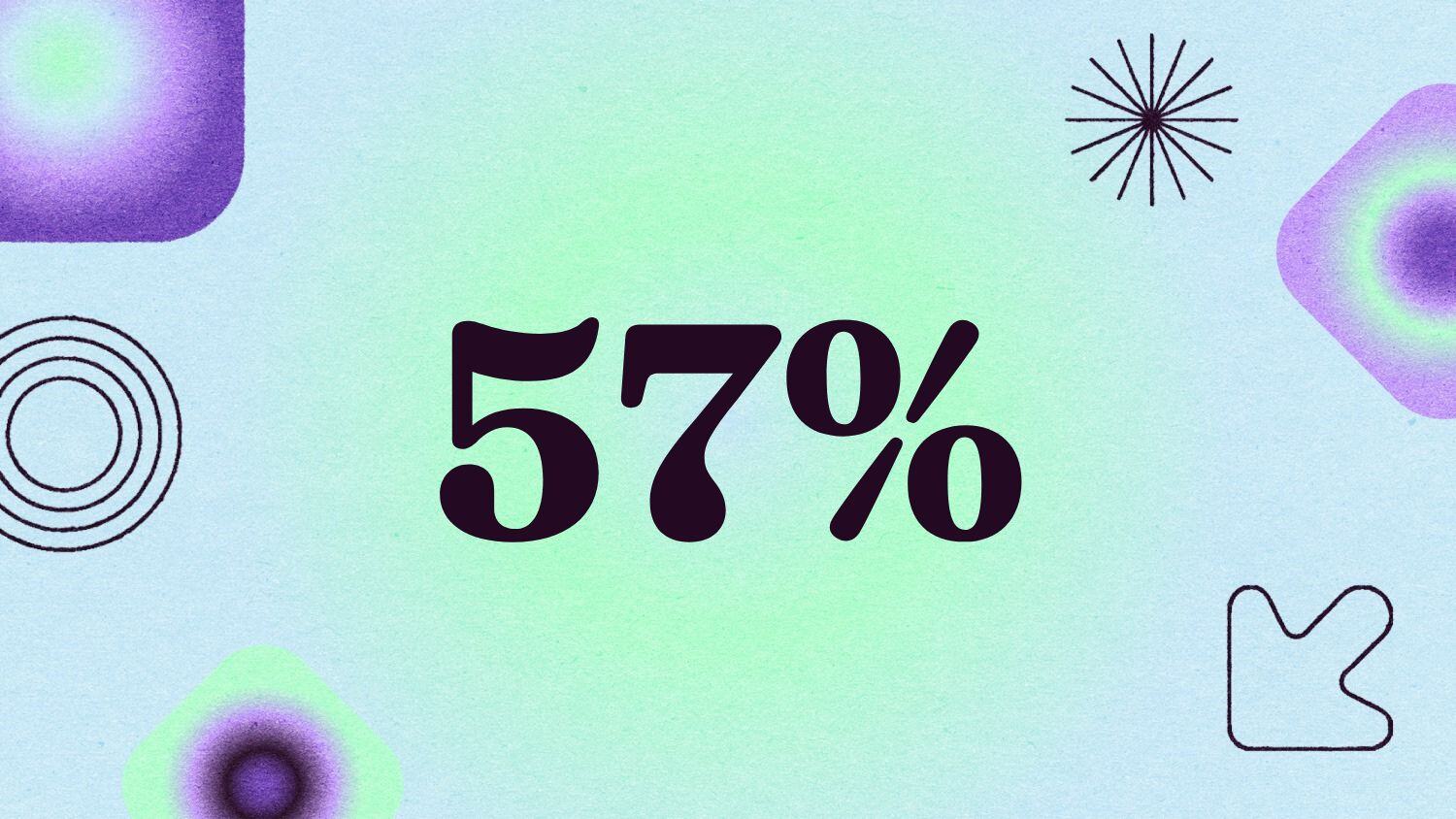
  • 57% of consumers across 30 countries still crave to see, touch and feel products before buying
  • 32% continue to value the personal service that only in-store shopping offers
  • 68% seek expert advice for high-value purchases to make the most informed decisions

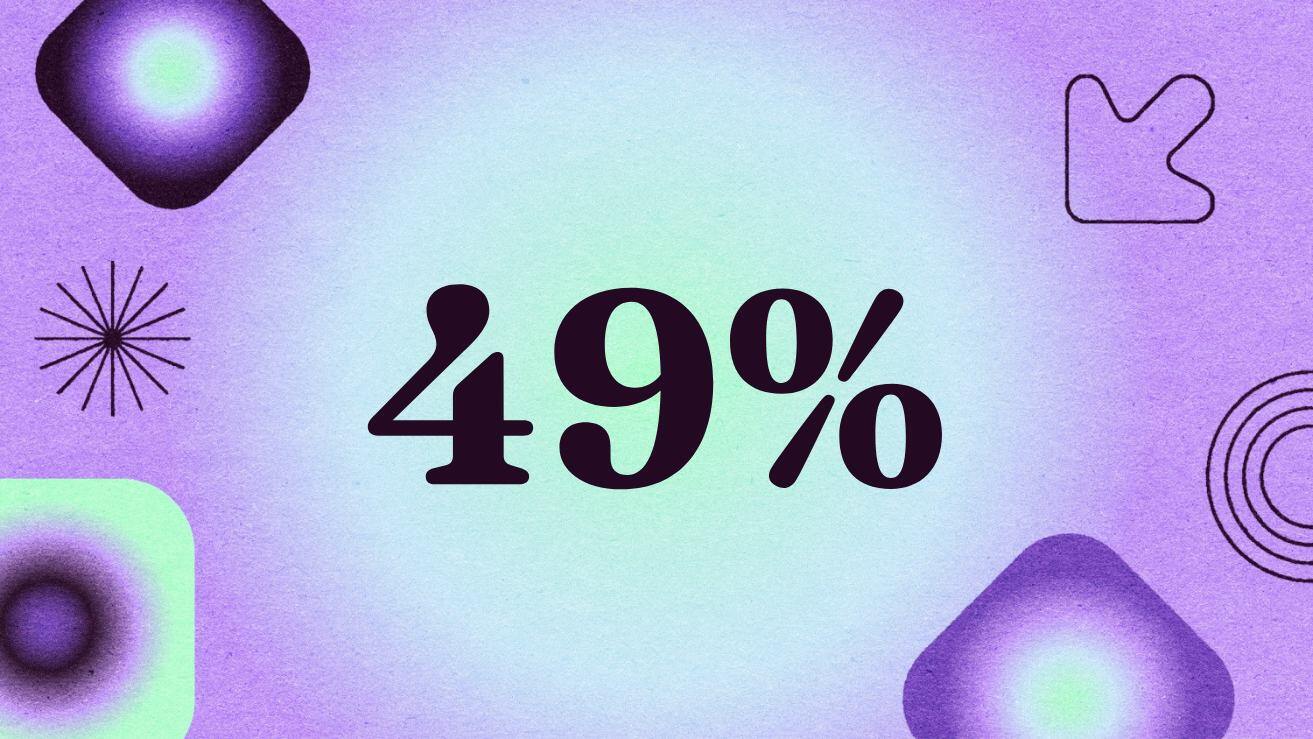
Itโ€™s a balancing act: while 68% of consumers love AI-curated offers, 49% are frustrated by ineffective chatbots and 33% worry about biased AI recommendations... โš–๏ธ

The silver lining? Leverage tech as a sidekick, but keep human interaction front and center. Take Target, which is rolling out a gen AI-powered chatbot to empower retail staff, ensuring top-notch customer service.

๐ŸŽฏ So, how will you blend tech and human touch to create the ultimate customer experience?

AI genies
12 August 2024

Since the launch of ChatGPT nearly two years (!) ago, the global appetite for outsourcing everyday tasks โ€” both professional and personal โ€” to technology has surged. Looking ahead, Dentsu's June-published study finds that nearly half (49%) of consumers worldwide say theyโ€™d like to have an AI clone to manage shopping, administrative tasks and communication by 2035. In APAC, this figure climbs to 62%. ๐Ÿ‘ฅ

Asian consumersโ€™ enthusiasm for AI is supported by another study from McKinsey, which found that 16% of global consumers regularly use gen AI outside of work, rising to 30% in APAC. That report also found that Gen Z are early adopters, with 31% utilizing AI for daily life hacks โ€” from home dรฉcor suggestions to crafting travel itineraries. Many expect AI to offer expert advice, replacing traditional consultations.

Podium as platform
7 August 2024

"I have Asthma, allergies, dyslexia, ADD, anxiety, and Depression. But I will tell you that what you have does not define what you can become. Why Not You!"

That's what Noah Lyles posted on X after clinching the 100-meter gold medal at the Paris 2024 Olympics on 5 August 2024, amassing over 12 million impressions and 300,000 likes within 48 hours. His message stands as a potent reminder that anyone can grapple with mental health challenges.

Lyles' post is part of a wave of impactful Olympic moments, from Snoop Dogg's viral appearance at the opening ceremony to Simone Biles' Netflix documentary, each drawing (unexpectedly) high viewer counts for the Paris games. Those large audiences have a downside, too. As social media has morphed into a global sports bar, athletes increasingly find themselves the target of armchair critics, and worse โ€” prompting the Japanese Olympic Committee to issue a plea for fans to behave better. Meanwhile, the IOC is harnessing AI to weed out online abuse on Facebook, Instagram, TikTok and X. Humans review flagged posts and, if necessary, issue takedown requests.

As passion for sports unites people around the globe, these high-profile moments can function as platforms for greater awareness. While Olympic organizations work to protect and support participants, collaborating with athletes could be a powerful way for brands to educate fans about mental health, cyber harassment and mindful use of social media.

Passion travel
7 August 2024

Sports and music tourism is experiencing a significant boom, with fans increasingly willing to travel far and wide to catch their favorite athletes, teams and artists in action. A new global research report from Collinson International reveals that over three-quarters of sports and music enthusiasts have flown to attend events in the past three years or plan to do so within the next 12 months. Several factors drive this trend: a growing number of events offering more destination choices, increased exposure to international leagues and artists through streaming platforms, and a post-pandemic hunger for live experiences.

The economic impact of this phenomenon is substantial, with sports tourism alone expected to grow in value from USD 564.7 billion in 2023 to USD 1.33 trillion by 2032. Music tourism is following suit, projected to reach USD 13.8 billion by the same year. With a projected CAGR of 8.5% for music and 10% for sports, the two combined could hit USD 1.5 trillion within a decade. Sports fans, in particular, are proving to be big spenders, with over half shelling out more than USD 500 per trip. The 25-34 age group leads the pack, with a third exceeding USD 1,000 for sports events and 31% doing the same for music.

Collinson's findings line up with a recent survey by Thrillist, summarized as "passion travel is the future." According to its US-only research, the majority of Gen Z-ers and Millennials (77%) are prioritizing personal interests when it comes to travel, not specific destinations: "Whether it's food-focused journeys, music festival trips, wellness retreats, educational vacations or eco-tourism experiences, younger travelers lean on their passions to explore the world. Of the travelers we surveyed who plan to book a flight in the next year, 63% say they will purchase tickets or plan activities for that trip prior to purchasing a plane ticket."

Stat
5 August 2024

Almost everyone has experienced loneliness. Gallup's latest research reveals 23% of people worldwide felt lonely 'a lot of the day yesterday.' And people who are lonely are more likely to experience sadness (+36%), worry (+31%), stress (+30%) and anger (+26%). Beyond heightened negative emotions, 20% are more likely to feel physical pain.

Loneliness is a global concern, affecting all ages. Rates vary, from 6% in Vietnam to 45% in Comoros, but the emotion is pervasive. In 22 countries, the number of adults who feel lonely is over 30%, with countries in Africa showing the highest percentages. In many places, those aged 50+ are 10% more likely to experience loneliness than younger groups. In the US and China, however, it's those aged 15-29 who feel loneliest.

Gallup notes that in some countries, loneliness might not be as widespread as it seems because "individuals answering this question in these countries may be affirming they spent periods of their day physically, rather than emotionally, alone." That conflation might not only apply to the highest loneliness rates, but also to the lowest, for people who rarely find themselves physically alone.

Caveats about outliers aside, the middle range of 1-in-5 people feeling emotionally lonely is more than enough to warrant action. As entities with societal presence and influence, brands can help mitigate involuntary solitude by acting as guides, helping people connect online and offline. Two examples? Hinge's One More Hour funds organizations that host inclusive, diverse and low-cost IRL events. Online, retro-style social app NoPlace connects users around shared interests and quickly topped the Apple App Store charts after launching.

29 July 2024

TrendWatching's Daily team is off for a week. In the meantime, why not dive into Amplify? Our trend intelligence platform includes:

  • TrendWatching's proprietary trend framework, consisting of 15 mega-trends and 230+ emerging sub-trends
  • Over 31,000 hands-on examples of innovative products and services, categorized by industry, trend and country
  • Industry portals covering consumer insights for 15 major sectors
  • Our self-paced course on how to spot and apply trends
  • And much more!

Start your free 14-day trial today!

Stat
25 July 2024

Following George Floydโ€™s murder and #BlackLivesMatter, DEI job postings surged by 123%. However, with the US election looming and socio-political polarization spiking, companies are backpedaling, fearing the woke label. Zoom, Google and Meta have already scaled back their DEI initiatives, and now Microsoft joins the club, with a team leader sending an internal email declaring DEI is 'no longer business critical' while assuring their commitment remains steadfastโ€ฆ ๐Ÿ˜ถ

The World Benchmarking Allianceโ€™s first Social Benchmark assessment provides another wake-up call. Its study evaluated the worldโ€™s 2,000 most influential companies โ€” including major apparel and food brands โ€” which collectively generate revenue equal to 45% of global GDP and employ 95 million people directly, plus hundreds of millions more indirectly. It found them lacking. Five key findings from the study:

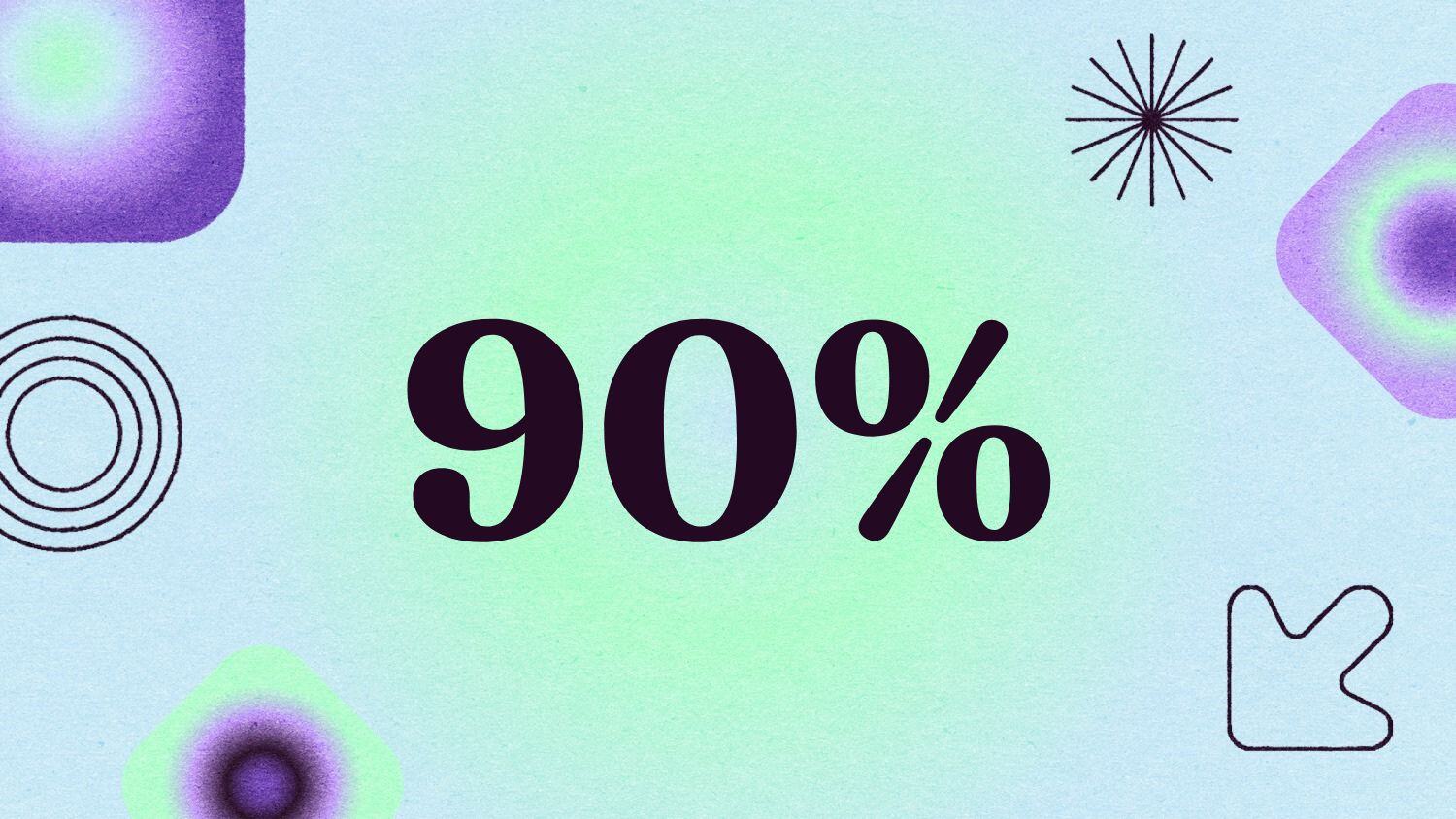
๐Ÿ†˜ HUMAN RIGHTS, DECENT WORK AND ETHICAL CONDUCT: A staggering 90% of the assessed companies fall short of fundamental societal expectations in these areas. Over 30% of companies scored between 0 and 2 points out of a possible 20.

๐Ÿšซ DUE DILIGENCE: 80% of companies scored zero on initial human rights due diligence steps, such as identifying, assessing and addressing human rights risks and impacts.

๐Ÿ›๏ธ REGULATIONS: Companies in countries with human rights regulations scored nearly 60% higher on average than those in countries without such regulations.

๐Ÿ’ธ FAIR PAY: Only 4% of the 2,000 companies pay their direct employees a living wage, and less than 1% have set a target to do so. Just 3% support living wage payments in their supply chains.

๐Ÿ•ต๏ธโ€โ™‚๏ธ TRANSPARENCY: A mere 11% of companies have established a policy that publicly outlines their approach to lobbying and political engagement, and only 5% disclose their lobbying expenditures.

Not only should the backpedaling stop, but itโ€™s time to transform DEI commitments into accountability and action โ€” from diversifying boardrooms to empowering factory workers. Both consumers and watchdogs are seeking tech solutions that can validate claims and clear up confusion; the dual forces of new laws and AI are paving the way. Are you ready to bring accountability to your entire supply chain?

Insight
24 July 2024

According to the recently published Transparency Index from Connected Impact and Ringer Science, greenwashing is on the decline: only 2% of US companies over-promoted (that is, greenwashed) their ESG progress. But that might not be a cause for celebration. Instead, many are taking the opposite approach, with 58% under-promoting their progress. The report, which analyzed over 600,000 corporate communications at 200 US and UK companies across 12 months, supports previous research from South Pole

But why are companies choosing to greenhush? It's primarily the result of more robust legislation, high-profile lawsuits and increasingly informed customers. For environmental advocates that have spent decades fighting greenwashing, this shift isn't exactly good news, with greenhushing linked to a loss of momentum (as companies become less ambitious with their targets) and less solution sharing.

Some companies are bucking the trend. Google recently revealed that its greenhouse gas emissions in 2023 were 48% higher than in 2019, with the increase mostly attributed to more energy required for data centers, a consequence of the growth of AI. It's a similar story at Microsoft, which has also gone all in with AI and seen supply chain emissions rise (in 2020, the company pledged to be carbon negative by 2030). 

While these numbers aren't great, they are public. Openly acknowledging the challenges of meeting climate goals is key to creating honest dialogue around the topic. And with many brands scaling up their AI ambitions, it will be essential to keep considering the environmental impact of the shift to AI-everything, as well as potential trade-offs. So, instead of retreating into silence, are you willing to talk about your progress โ€” or lack thereof โ€” when it comes to emissions? Building trust through transparency isn't new, but as sustainability knowledge intersects with concerns about the pace and impact of AI, it will be even more important for brands to deliver.

NEW LABOR
23 July 2024

Quiet quitting is overhauling company cultures and outputs, pushing businesses to seek cheaper (remote!) talent from abroad while simultaneously enforcing return-to-office policies.

According to Autodeskโ€™s State of Design & Make 2024 report, 59% of global employees (61% in Americas, 54% in APAC, 61% in EMEA) say their companies are recruiting remote talent from low cost-of-living areas. Meanwhile, 62% (63% in Americas, 57% in APAC, 65% in EMEA) report that their employers are mandating a return to the workplace.

And itโ€™s not just RTO policies. Companies are scaling back on perks like four-day workweeks and summer Fridaysโ€ฆ ๐Ÿ๏ธ

These actions will further fuel disengagement and exacerbate tensions between employer and employee. Smart companies will take a different approach. Instead of clinging to pre-pandemic norms (which didnโ€™t work for many people anyway), they'll embrace a new vision on labor.

Stat
22 July 2024

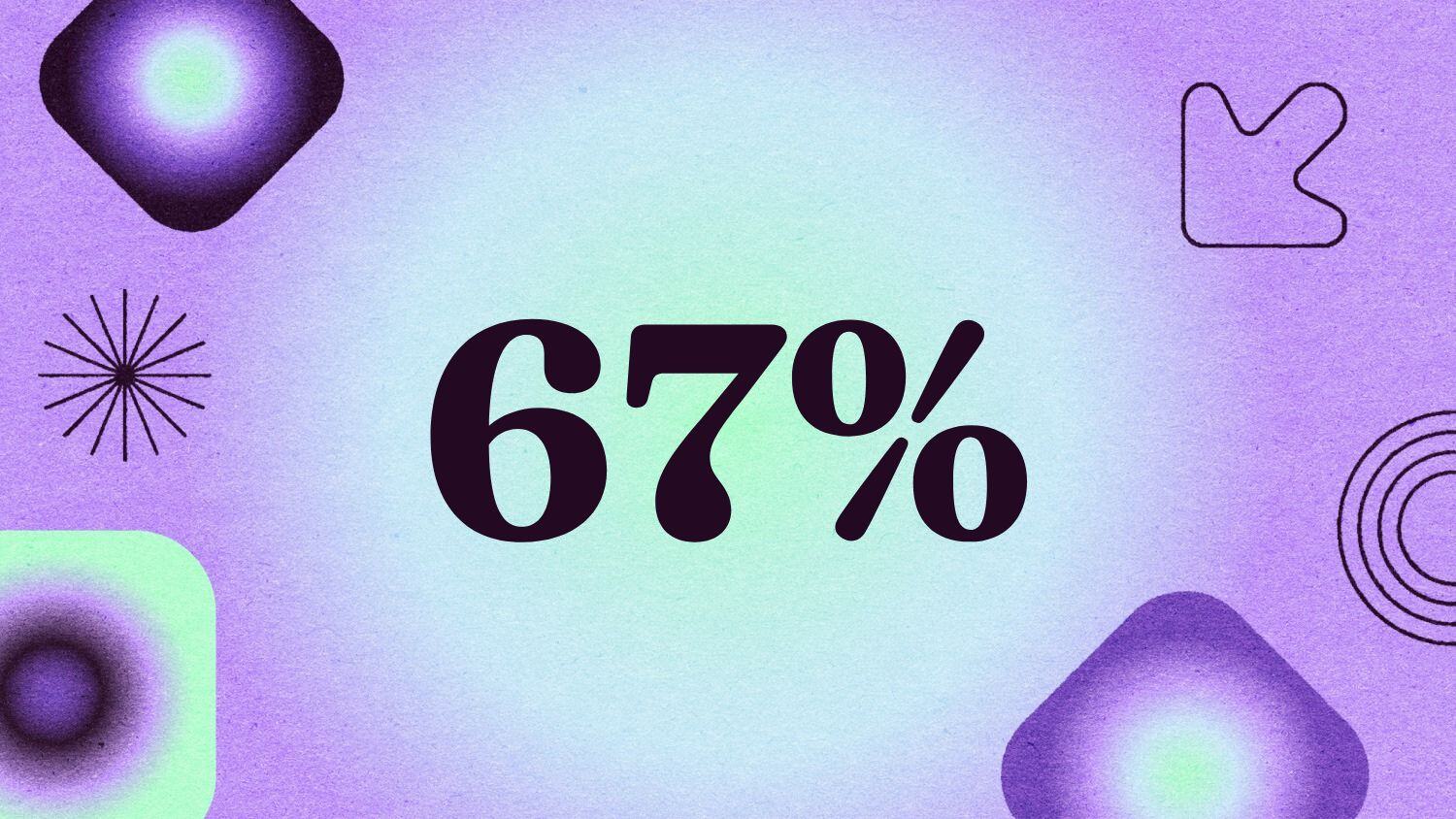
Researchers from University College London and the University of Waterloo have uncovered a surprising insight into how the general public perceives AI bots. A study published in Neuroscience of Consciousness found that 67% of participants attribute some degree of consciousness to ChatGPT. Only a third of the sample of 300 believed ChatGPT does not have subjective experience. The finding highlights a significant gap between public intuition and expert opinion, since most neuroscientists and consciousness researchers consider it highly unlikely that language models currently possess consciousness.

The study also found that greater familiarity with ChatGPT correlates with a higher likelihood of attributing consciousness to the large language model. People's perception of LLMs possessing consciousness is likely related to the conversational style of responding to queries. If interacting with an AI bot feels like interacting with a human, it's understandable people will believe bots possess other human faculties, too โ€” including experiencing mental states. In an accompanying press release, lead researcher Dr. Clara Colombatto, professor of psychology at Waterloo's Arts faculty, noted: "These results demonstrate the power of language because a conversation alone can lead us to think that an agent that looks and works very differently from us can have a mind."

As conversational and agentic AI become more integrated into daily life, a widespread notion that they might be sentient has profound ethical implications. Ascribing human-like states could lead to an overreliance on the technology and potentially perilous levels of trust in its output and capabilities. And, for better or worse, people who believe AI is conscious might form deeper emotional connections with these systems. All of which is particularly relevant in areas like healthcare, customer service and education, where AI is increasingly used. 

Thought-starter
18 July 2024

1 August 2024 marks this yearโ€™s Earth Overshoot Day, arriving a day earlier than in 2023. According to the Global Footprint Network, humanity has consumed more resources in just seven months than our planet's ecosystems can regenerate in a year. And if everyone lived like the average American, we would need ๐ŸŒŽ๐ŸŒŽ๐ŸŒŽ๐ŸŒŽ๐ŸŒŽ Earths to sustain annual demand...

๐Ÿ“ˆ The relentless pace of economic and population growth is depleting our planetโ€™s resources at an alarming rate, harming both environmental and human health. Meanwhile, Kuwait just announced a 'giant' oil discovery, Guyana wants to be the new Qatar and the hunt for new oil and gas drilling sites is far from slowing down.

So, we need to act now to #MoveTheDate of Earth Overshoot Day. To get started, check out ๐ŸŒฟ Power of Possibility: 50+ existing solutions that are ready to scale. Looking to place resource depletion, biodiversity loss, air pollution and climate breakdown in the context of consumer trends? ๐Ÿ‘€ Dive into our ecology macro-trends and related sub-trends, and get inspired by impact-driven innovations.

Insight
17 July 2024

The redefinition of globalization continues to present unique challenges for international B2C brands. Geopolitical tensions and ever-increasing polarization make operating globally more of a tightrope act than ever, and multinationals seeking to win consumer trust need to ramp up their multi-local approach โ€” without compromising their brand values.

So, what are the best routes to establishing local trust? The 2024 Edelman Trust Barometer Special Report: Brands and Politics surveyed over 15,000 people in 15 countries. When respondents were asked to pick one or more ways "a foreign brand will earn my trust", their answers lined up as follows:

๐Ÿข Creates good jobs locally (49% agree this earns trust)

๐Ÿ“œ Follows local laws (47%) and respects government policies (33%)

๐Ÿค Works with local suppliers (44%)

๐ŸŒ Addresses societal challenges (31%)

๐ŸŽจ Adapts products to local cultures โ€” consumers in India (49%), South Africa (45%), Indonesia (45%), Brazil (43%), and the UAE (43%) particularly interested in this

One common thread? The Global South craves recognition. Historically underrepresented and stereotyped, these regions increasingly see their cultural capital as a source of pride. Brands aiming to resonate with consumers in these markets need to move far beyond a one-size-fits-all approach by adapting to, celebrating and empowering (hyper)local communities. One example of a brand getting it right? Adidas partnering with Mexican artisans to create hand-embroidered national soccer jerseys.

Back to Top