Free-time fears
2 September 2024

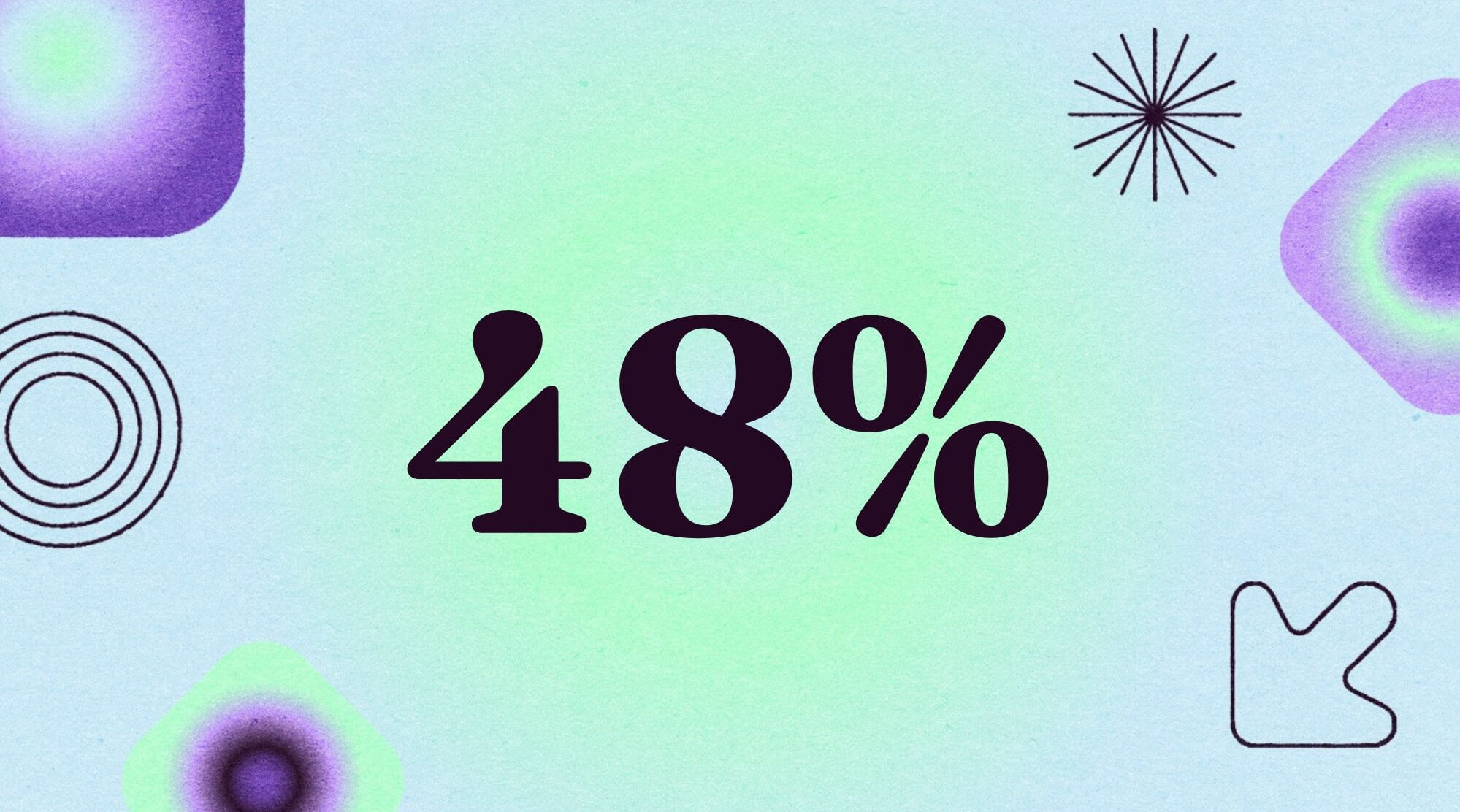
Older generations might accuse Gen Z of having a limited work ethic but, in reality, what it means to be ‘productive’ is evolving. A recent Ipsos survey revealed that 48% of Gen Z in the US worry about not using their free time productively, compared to 34% of all generations combined. They’re more concerned about boredom (37% vs. 26%), affording hobbies (39% vs. 26%) and choosing a vacation that lives up to their dreams (18% vs. 9%).

Stops and starts
29 August 2024

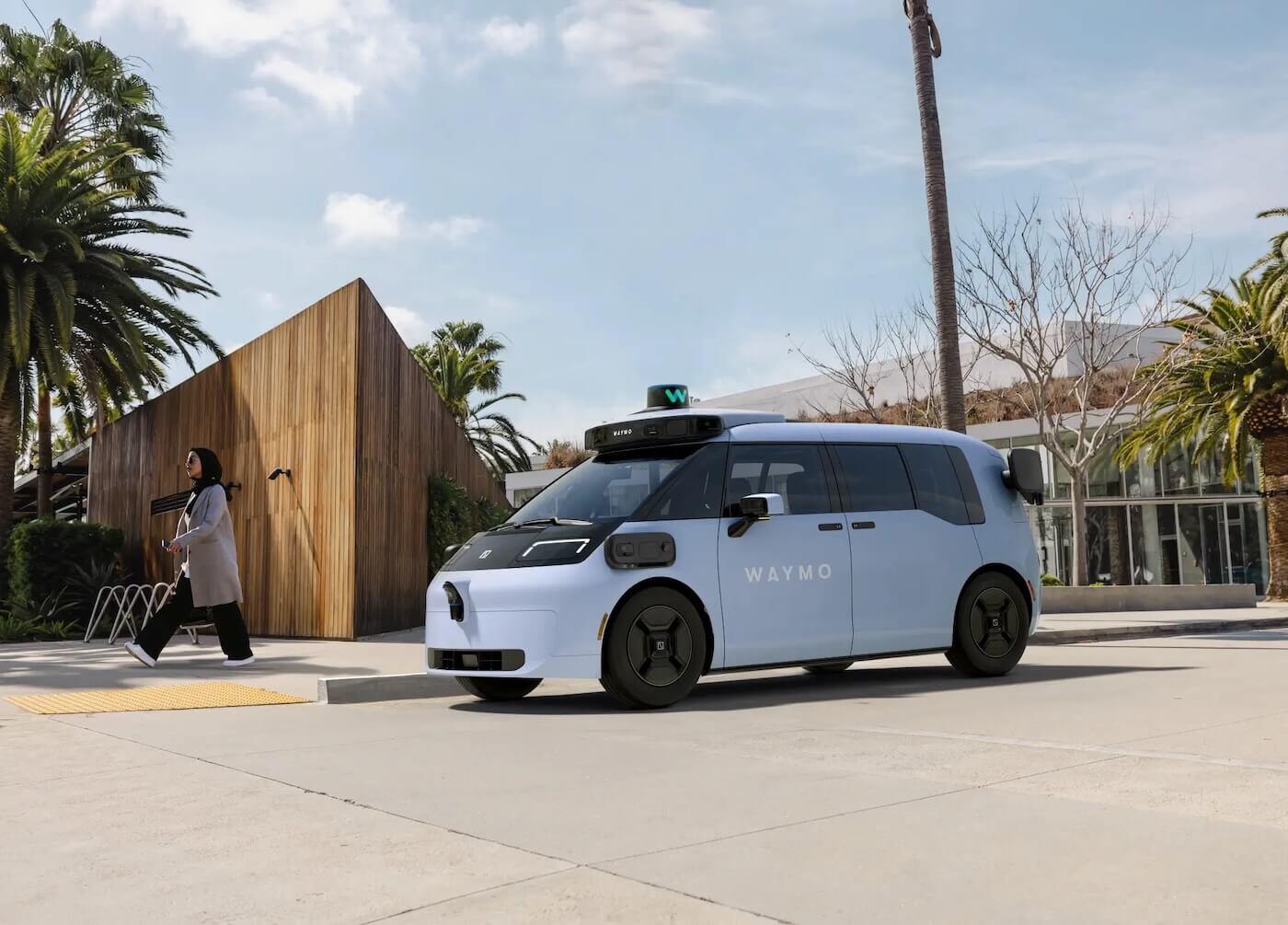
🚖 Waymo, Alphabet’s autonomous vehicle arm, just hit a major milestone: 100,000 paid robotaxi rides per week across Los Angeles, San Francisco and Phoenix – a 100% increase from earlier this year, with more expansion in the works. As for the competition, Cruise, General Motors’ autonomous vehicle division, is shifting into high gear with a multi-year partnership with Uber. Starting in 2025, Uber users will be able to book a Cruise robotaxi. While Waymo and Cruise race ahead, Tesla appears to be falling behind, repeatedly postponing its robotaxi rollout.

Safety last? 🤔 As the US accelerates toward a driverless future, safety concerns continue to slam the brakes. Sometimes literally. Cruise's deal with Uber marked a significant comeback after a major accident in SF last year temporarily halted operations, but GM just recalled nearly 1,200 Cruise vehicles due to unexpected braking. No wonder claims by China’s Pony.AI that its robotaxis are 10 times safer than human drivers are boosting adoption rates. (The latest Waymo robotaxis hitting SF streets are made by Zeekr, a Chinese electric vehicle manufacturer.)

✨ Whether or not the nuts, bolts and software of autonomous vehicles are all in place, robotization is here. And it's not just cars. Consumers are increasingly craving automation-fueled experiences that offer convenience with a touch of magic.

Tween taste
28 August 2024

Beano Brain has released its Coolest Brands 2024, gathering 55,000 responses from kids and teens aged 7 to 14 in the US and 45,000 from those in the UK, asking them, "Which of these brands do you think is cool?"

For anyone who has recently interacted with kids in that age group, it won't come as a surprise that YouTube tops the list of fave brands in both countries. The platform retained its position in the US from last year, while in the UK, it bumped Netflix off the throne. Netflix now comes in second in both countries, and Nintendo, Nike, Oreo and Lego made the top 10 on either side of the Atlantic, too. A few insights:

▶️ For Gen Alpha, YouTube is everything. It's where all of their interests can be summoned with a tap, from live gameplay and toy reviews to DIY crafts and their favorite songs. For this generation, YouTube isn't just a platform; it's a gateway to entertainment, education and influencers who feel like friends.

👣 The highest mover in the UK, up by 35 places to number 49, is Crocs. Besides being ultra comfy and easy to slip on, Crocs charms add an element of self-expression as well as the fun of collecting, bolstered by their availability on Shein and Temu at a fraction of the price of official Crocs Jibbitz.

🧴 In the US, teen and tween obsession with skincare helped two brands enter the list: Sephora, riding the coattails of Drunk Elephant, Summer Fridays and Glow Recipe (and the prejuvenation trend), and Bubbles, whose formulations are actually geared to young skin.

Coming out
26 August 2024

🎶 ‘I’m coming out…!’ 🎶
When Diana Ross sang those iconic words in 1980, the song instantly became an LGBTQ+ anthem, in the same way James Brown’s ‘Say It Loud – I’m Black and I’m Proud’ became a rallying call for the Black community in 1968. Fast forward to 2024 and the landscape of coming out is shifting.

What’s happening?
LGBTQ+ adults are coming out at younger ages. A Gallup survey in the US revealed that the youngest LGBTQ+ adults (18-29) come out at a median age of 17, compared to early 20s for those aged 30 to 64, and 26 for those 65+.

Why the shift?
Today’s youth are recognizing their identities earlier. The median age of self-awareness is 14 for those aged 18-29, 15 for those 30-64 and 16 for those 65+. Plus, 70% of both LGBTQ+ adults and the broader US population agree that societal acceptance has improved over the last decade.

Going damp
23 August 2024

The global shift toward cutting back on alcohol is gaining momentum. In Ireland, the iconic Guinness pint is being swapped out, and in the UK, football fans are reaching for nolo beers. Even Japan’s brewing giant, Asahi, predicts that by 2040, half of its sales will come from no and low alcohol drinks... 🍻

In the US, Gallup reveals that today’s young adults drink far less than their early 2000s counterparts. Why? 65% of people aged 18-34 believe alcohol harms health, compared to just 37% of those 35-54 and 39% of those 55+. It’s the biggest generational gap since 2001.

Health isn’t the only factor — rising alcohol prices are a boozekill, too 💸

Yet, the social side of drinking is deeply ingrained, and capable of transforming introverts into social butterflies for the night. So, as more people embrace 0.0%, it's time to reimagine the concept of social drinking. Early adopters? Munich, synonymous with beer, now has Die Null, its first alcohol-free beer garden, while Athletic Brewing has become soccer club Arsenal’s first Official Non-Alcoholic Beer Partner.

Cautious consumers
22 August 2024

The so-called 'millennial lifestyle subsidy' — convenience offered at low prices by a slew of venture capital-backed apps and services — is coming to an end. No more free money means apps are raising prices, while higher interest rates (and inflation) are also cutting into consumer spending power. Many are still happy to pay for convenience, as witnessed by strong Q2 earnings posted by Instacart and DoorDash.

Others, once accustomed to cheap rides and meal deliveries, are now seeking alternatives. Reporting on the shift, Business Insider describes 31-year-old Sarah Manley facing sticker shock: "If I was using rideshares and the delivery apps and everything the way I was, I would run out of money each month," she says. Some people are ditching delivery and reverting to old-fashioned, pre-app shopping habits; others are getting creative and thrifty, comparing prices across platforms and using public transit more often.

Companies are refining their pricing models and strategies, too. Bilal Baydoun of the Groundwork Collaborative warns that dynamic pricing could become more widespread, making budgeting difficult for consumers: "It's making people miserable to not know what things cost." As businesses pursue new pricing tactics, customer loyalty may erode (or worse, as witnessed by the backlash against supermarket Kroger for alleged price gouging by way of electronic shelf labels). The good news? Caution and concerns create space for empathic brands to demonstrate they understand the plight of value-focused consumers.

Involved iteration
20 August 2024

Brands have been co-creating products and services with customers for decades. The concept is gaining fresh momentum in the form of open beta testing, with various brands ‘launching’ semi-baked products and inviting consumers to help adapt and refine. 

Why now? On the one hand, it’s a transparency play from brands looking to build strong, trusting relationships with consumers. And on the other, it reflects the growing presence of generative AI, which consumers are increasingly using to (wildly) reimagine existing brand offerings however they please.

A couple of recent examples that demonstrate how brands are tapping into consumer preferences and creativity for involved iteration:

  • MM:NT Berlin Lab defines itself as a beta-hotel and the world’s first and only ‘hotel laboratory’. The highly digitized property opened in July 2024 with the intention of learning more about consumer preferences and behavior over time – information it will then leverage to continually tweak and improve the guest experience both in Berlin and in future hotels it plans to open. 
  • KFC Philippines recently launched a campaign inviting consumers to use an AI-powered image generator to create Meta stickers of their dream KFC snacks. After gathering countless data points on consumer preferences, the brand selected 11 of the most innovative ideas and rustled them up IRL. While KFC’s snacks were just prototypes to be enjoyed by the winners, rather than consumer-facing products, the initiative reveals how gen AI is becoming a valuable testing ground for brands who are brave enough to engage with it.

Is it time to rethink your launch strategy? Whether or not you make AI part of the mix, bring consumers into your product development process by involving them in your earliest iterations.

Influencer pay gap
19 August 2024

SevenSix Agency’s 2024 Influencer Pricing Report revealed significant pay disparities 📉 among UK creators:

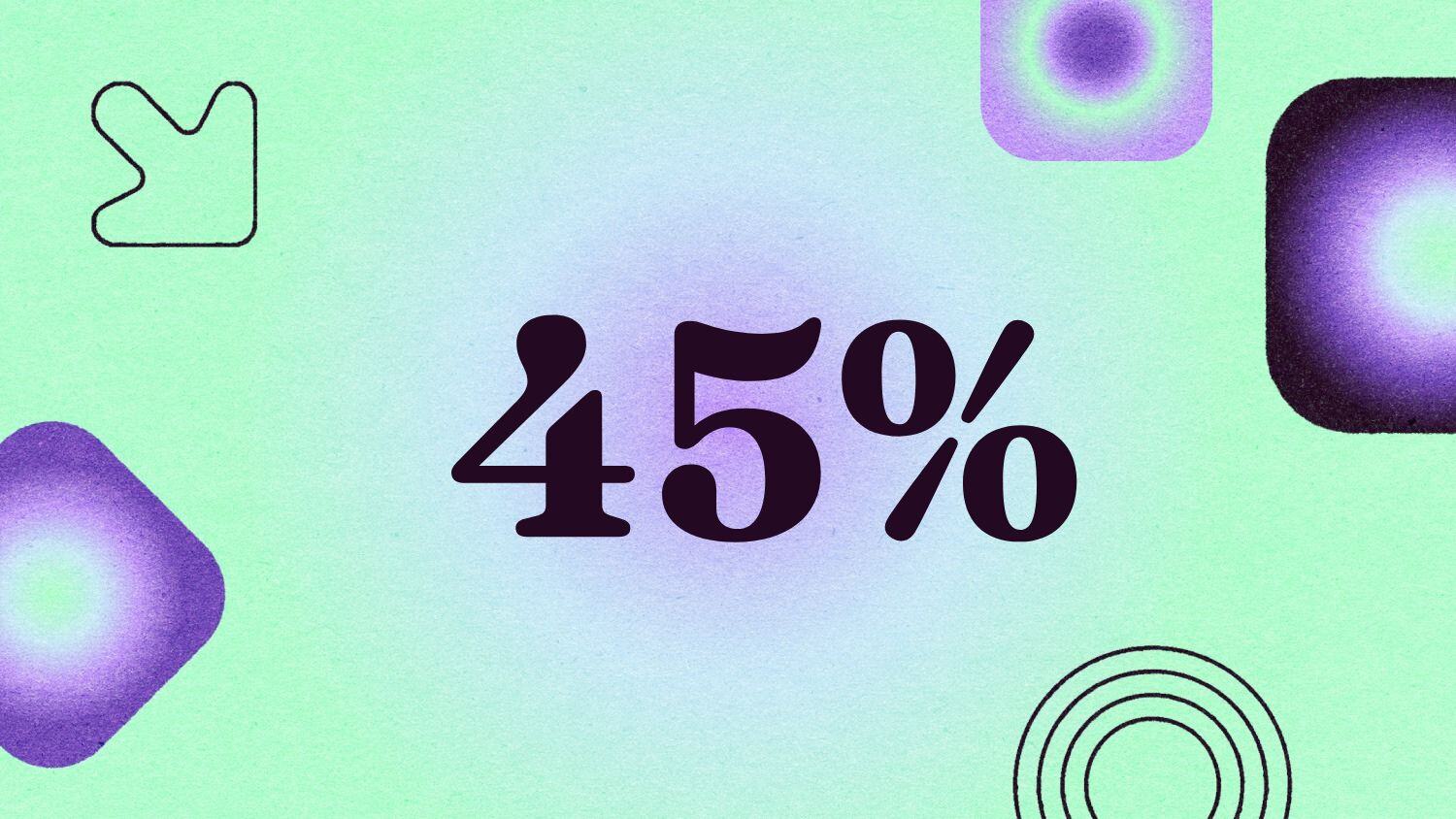
  • White creators earn 45% more on average, bringing in GBP 1,637 per sponsored Instagram Reel
  • That’s 34% more than Black creators, who earn GBP 1,080 on average
  • South Asian creators make GBP 1,135 (-31%)
  • East Asian creators earn GBP 1,009 (-38%)
  • Southeast Asian creators see the lowest earnings at GBP 700 (-57%)

This goes beyond ethnicity — hair texture, age, skin tone and disability also affect pay. Preexisting biases might have crept into the creator economy, but consumers are clamoring for more diverse content...

Gen Z, the most multicultural and queer generation yet, isn’t content with homogenous influencer line-ups. They want to see niche creators who truly reflect their experiences. For brands, this goes beyond checking a DEI box and token representation — connecting authentically with Gen Z means showing real support for marginalized voices. As the creator economy continues to grow, how will you help bridge the pay and opportunity gap?

TECH VS TOUCH IN RETAIL
15 August 2024

Consumer enthusiasm for tech-powered shopping is big — whether it's social commerce 🛍️, in-game buying 🎮, AR try-ons 🕶️ or AI-driven recommendations 🤖. But there's one thing tech can't replace (yet): the power of touch. The latest EY Future Consumer Index, published in July 2024, confirms this:

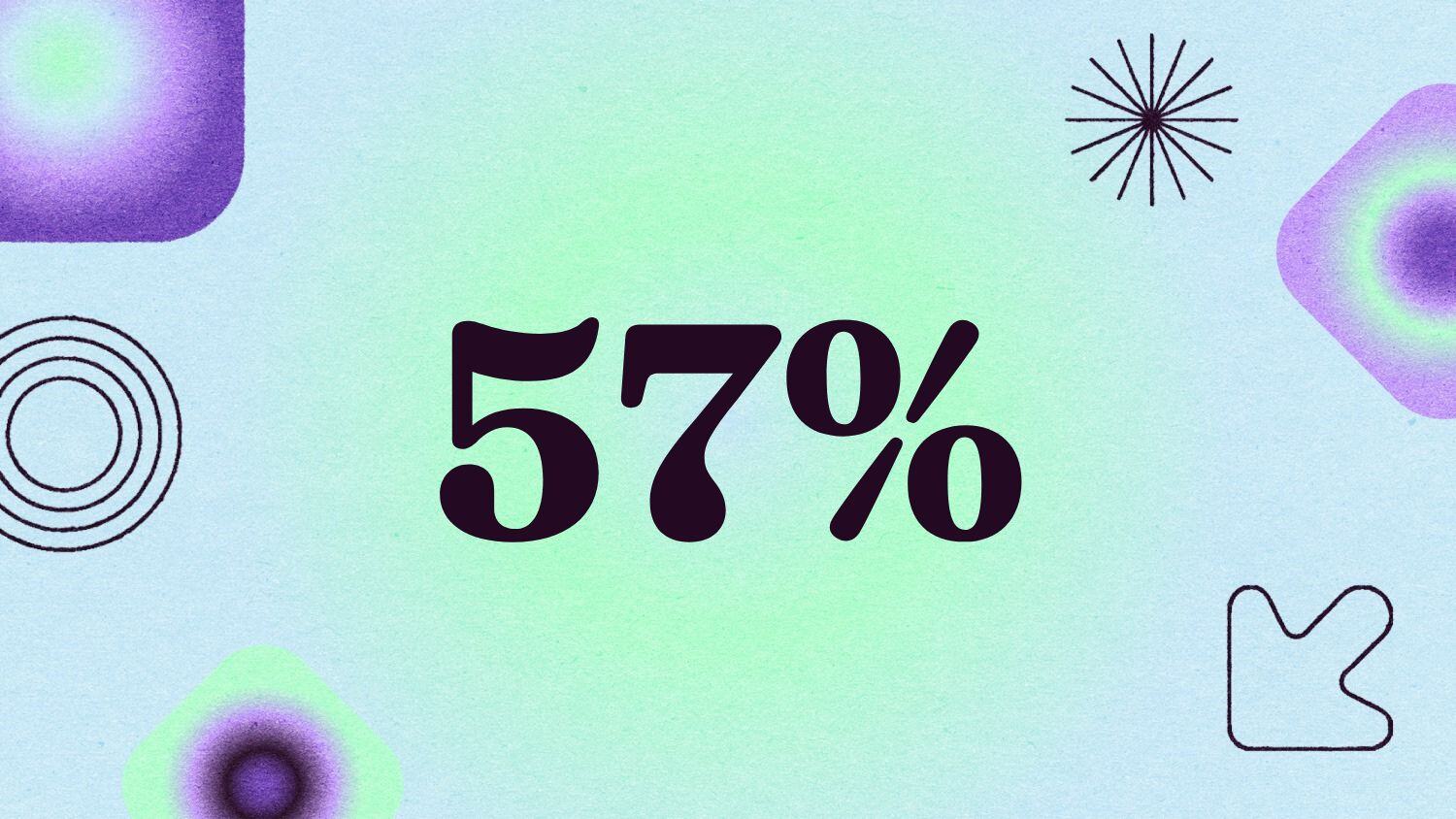
  • 57% of consumers across 30 countries still crave to see, touch and feel products before buying
  • 32% continue to value the personal service that only in-store shopping offers
  • 68% seek expert advice for high-value purchases to make the most informed decisions

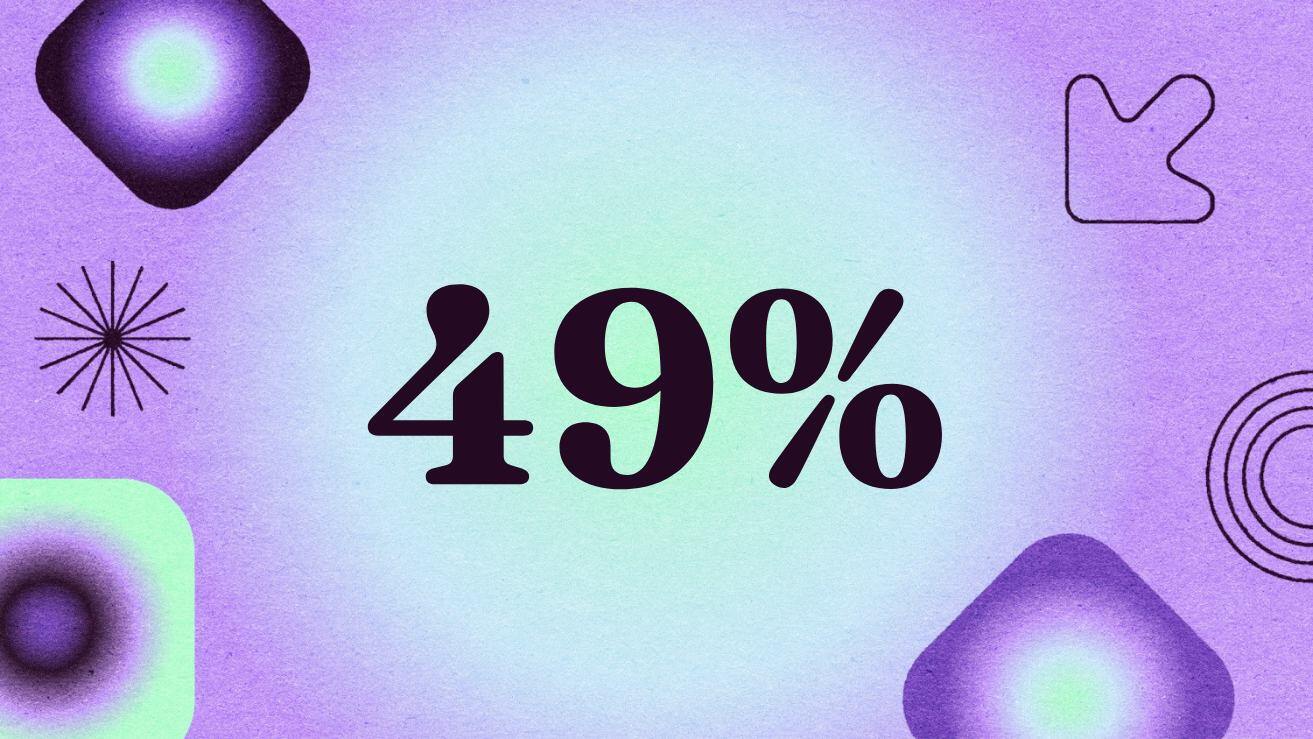
It’s a balancing act: while 68% of consumers love AI-curated offers, 49% are frustrated by ineffective chatbots and 33% worry about biased AI recommendations... ⚖️

The silver lining? Leverage tech as a sidekick, but keep human interaction front and center. Take Target, which is rolling out a gen AI-powered chatbot to empower retail staff, ensuring top-notch customer service.

🎯 So, how will you blend tech and human touch to create the ultimate customer experience?

AI genies
12 August 2024

Since the launch of ChatGPT nearly two years (!) ago, the global appetite for outsourcing everyday tasks — both professional and personal — to technology has surged. Looking ahead, Dentsu's June-published study finds that nearly half (49%) of consumers worldwide say they’d like to have an AI clone to manage shopping, administrative tasks and communication by 2035. In APAC, this figure climbs to 62%. 👥

Asian consumers’ enthusiasm for AI is supported by another study from McKinsey, which found that 16% of global consumers regularly use gen AI outside of work, rising to 30% in APAC. That report also found that Gen Z are early adopters, with 31% utilizing AI for daily life hacks — from home décor suggestions to crafting travel itineraries. Many expect AI to offer expert advice, replacing traditional consultations.

Podium as platform
7 August 2024

"I have Asthma, allergies, dyslexia, ADD, anxiety, and Depression. But I will tell you that what you have does not define what you can become. Why Not You!"

That's what Noah Lyles posted on X after clinching the 100-meter gold medal at the Paris 2024 Olympics on 5 August 2024, amassing over 12 million impressions and 300,000 likes within 48 hours. His message stands as a potent reminder that anyone can grapple with mental health challenges.

Lyles' post is part of a wave of impactful Olympic moments, from Snoop Dogg's viral appearance at the opening ceremony to Simone Biles' Netflix documentary, each drawing (unexpectedly) high viewer counts for the Paris games. Those large audiences have a downside, too. As social media has morphed into a global sports bar, athletes increasingly find themselves the target of armchair critics, and worse — prompting the Japanese Olympic Committee to issue a plea for fans to behave better. Meanwhile, the IOC is harnessing AI to weed out online abuse on Facebook, Instagram, TikTok and X. Humans review flagged posts and, if necessary, issue takedown requests.

As passion for sports unites people around the globe, these high-profile moments can function as platforms for greater awareness. While Olympic organizations work to protect and support participants, collaborating with athletes could be a powerful way for brands to educate fans about mental health, cyber harassment and mindful use of social media.

Passion travel
7 August 2024

Sports and music tourism is experiencing a significant boom, with fans increasingly willing to travel far and wide to catch their favorite athletes, teams and artists in action. A new global research report from Collinson International reveals that over three-quarters of sports and music enthusiasts have flown to attend events in the past three years or plan to do so within the next 12 months. Several factors drive this trend: a growing number of events offering more destination choices, increased exposure to international leagues and artists through streaming platforms, and a post-pandemic hunger for live experiences.

The economic impact of this phenomenon is substantial, with sports tourism alone expected to grow in value from USD 564.7 billion in 2023 to USD 1.33 trillion by 2032. Music tourism is following suit, projected to reach USD 13.8 billion by the same year. With a projected CAGR of 8.5% for music and 10% for sports, the two combined could hit USD 1.5 trillion within a decade. Sports fans, in particular, are proving to be big spenders, with over half shelling out more than USD 500 per trip. The 25-34 age group leads the pack, with a third exceeding USD 1,000 for sports events and 31% doing the same for music.

Collinson's findings line up with a recent survey by Thrillist, summarized as "passion travel is the future." According to its US-only research, the majority of Gen Z-ers and Millennials (77%) are prioritizing personal interests when it comes to travel, not specific destinations: "Whether it's food-focused journeys, music festival trips, wellness retreats, educational vacations or eco-tourism experiences, younger travelers lean on their passions to explore the world. Of the travelers we surveyed who plan to book a flight in the next year, 63% say they will purchase tickets or plan activities for that trip prior to purchasing a plane ticket."

Stat
5 August 2024

Almost everyone has experienced loneliness. Gallup's latest research reveals 23% of people worldwide felt lonely 'a lot of the day yesterday.' And people who are lonely are more likely to experience sadness (+36%), worry (+31%), stress (+30%) and anger (+26%). Beyond heightened negative emotions, 20% are more likely to feel physical pain.

Loneliness is a global concern, affecting all ages. Rates vary, from 6% in Vietnam to 45% in Comoros, but the emotion is pervasive. In 22 countries, the number of adults who feel lonely is over 30%, with countries in Africa showing the highest percentages. In many places, those aged 50+ are 10% more likely to experience loneliness than younger groups. In the US and China, however, it's those aged 15-29 who feel loneliest.

Gallup notes that in some countries, loneliness might not be as widespread as it seems because "individuals answering this question in these countries may be affirming they spent periods of their day physically, rather than emotionally, alone." That conflation might not only apply to the highest loneliness rates, but also to the lowest, for people who rarely find themselves physically alone.

Caveats about outliers aside, the middle range of 1-in-5 people feeling emotionally lonely is more than enough to warrant action. As entities with societal presence and influence, brands can help mitigate involuntary solitude by acting as guides, helping people connect online and offline. Two examples? Hinge's One More Hour funds organizations that host inclusive, diverse and low-cost IRL events. Online, retro-style social app NoPlace connects users around shared interests and quickly topped the Apple App Store charts after launching.

29 July 2024

TrendWatching's Daily team is off for a week. In the meantime, why not dive into Amplify? Our trend intelligence platform includes:

  • TrendWatching's proprietary trend framework, consisting of 15 mega-trends and 230+ emerging sub-trends
  • Over 31,000 hands-on examples of innovative products and services, categorized by industry, trend and country
  • Industry portals covering consumer insights for 15 major sectors
  • Our self-paced course on how to spot and apply trends
  • And much more!

Start your free 14-day trial today!

Stat
25 July 2024

Following George Floyd’s murder and #BlackLivesMatter, DEI job postings surged by 123%. However, with the US election looming and socio-political polarization spiking, companies are backpedaling, fearing the woke label. Zoom, Google and Meta have already scaled back their DEI initiatives, and now Microsoft joins the club, with a team leader sending an internal email declaring DEI is 'no longer business critical' while assuring their commitment remains steadfast… 😶

The World Benchmarking Alliance’s first Social Benchmark assessment provides another wake-up call. Its study evaluated the world’s 2,000 most influential companies — including major apparel and food brands — which collectively generate revenue equal to 45% of global GDP and employ 95 million people directly, plus hundreds of millions more indirectly. It found them lacking. Five key findings from the study:

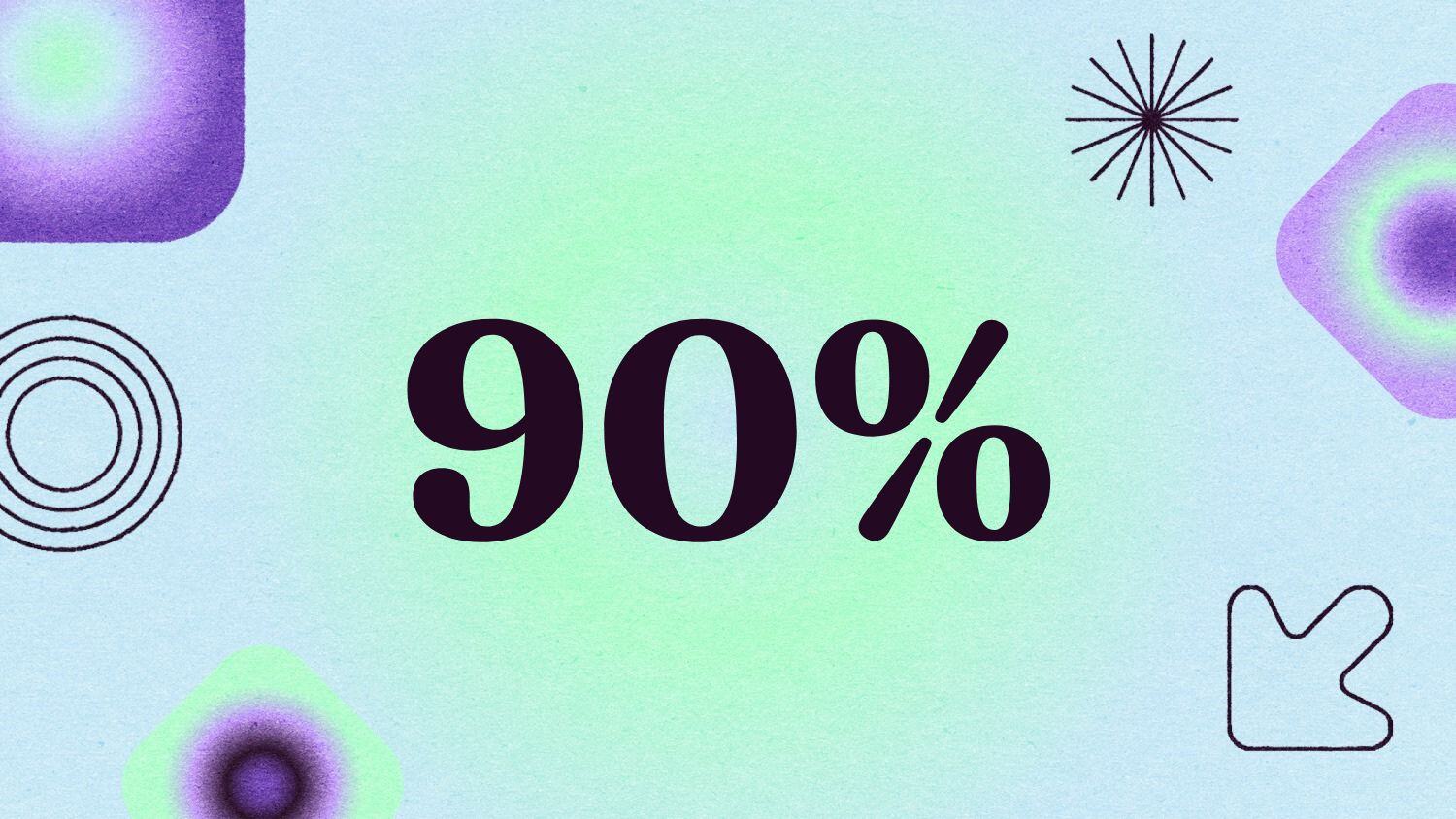
🆘 HUMAN RIGHTS, DECENT WORK AND ETHICAL CONDUCT: A staggering 90% of the assessed companies fall short of fundamental societal expectations in these areas. Over 30% of companies scored between 0 and 2 points out of a possible 20.

🚫 DUE DILIGENCE: 80% of companies scored zero on initial human rights due diligence steps, such as identifying, assessing and addressing human rights risks and impacts.

🏛️ REGULATIONS: Companies in countries with human rights regulations scored nearly 60% higher on average than those in countries without such regulations.

💸 FAIR PAY: Only 4% of the 2,000 companies pay their direct employees a living wage, and less than 1% have set a target to do so. Just 3% support living wage payments in their supply chains.

🕵️‍♂️ TRANSPARENCY: A mere 11% of companies have established a policy that publicly outlines their approach to lobbying and political engagement, and only 5% disclose their lobbying expenditures.

Not only should the backpedaling stop, but it’s time to transform DEI commitments into accountability and action — from diversifying boardrooms to empowering factory workers. Both consumers and watchdogs are seeking tech solutions that can validate claims and clear up confusion; the dual forces of new laws and AI are paving the way. Are you ready to bring accountability to your entire supply chain?


Back to Top