Wellness paradox
8 October 2024

The 2024 Global Wellbeing Report from Lululemon uncovered a wellness paradox: the relentless pursuit of wellbeing may be making people less well. While 89% of people across 15 countries are doing more to improve their wellbeing, the global wellbeing score is stuck at 66%. Why? The report flags three key pressure points:

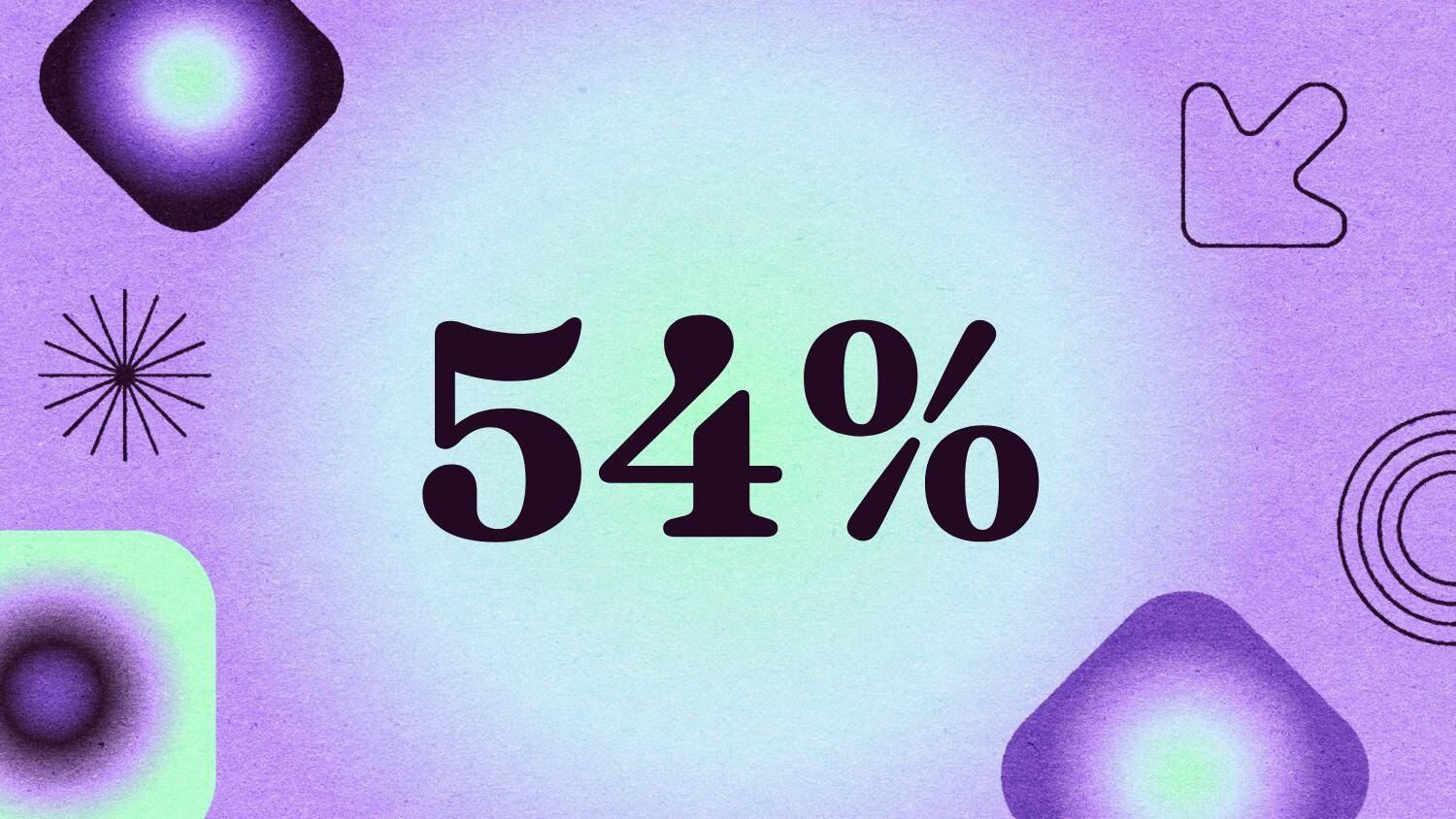
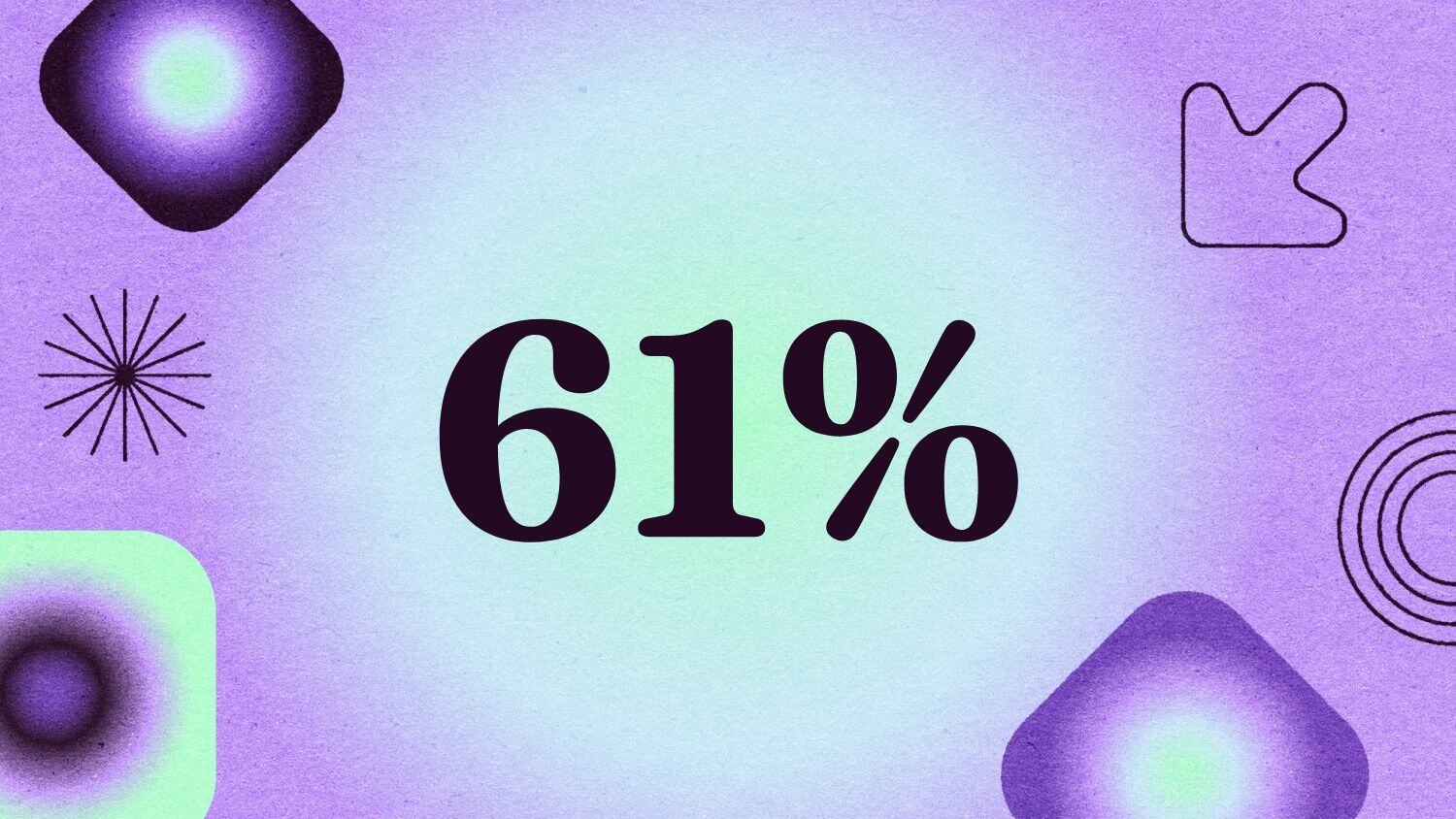
1๏ธโƒฃ Societal pressure: 61% think they need to appear well, even if they're not. The percentage jumps to 76% for Gen Z and 71% for Millennials. For many, that pressure leads to wellbeing burnout (45%), with the majority (63%) feeling powerless to improve their wellbeing

2๏ธโƒฃ Advice overload: 53% say there's too much contradictory information on how to improve their wellbeing

3๏ธโƒฃ Loneliness: 89% of those with wellbeing burnout say loneliness is a contributing factor

In 2025, itโ€™s time to break the cycle. The authors of Lululemon's report suggest quieting the noise, inviting others to join the journey and doing what actually feels good.

Sign (language) of the times
7 October 2024

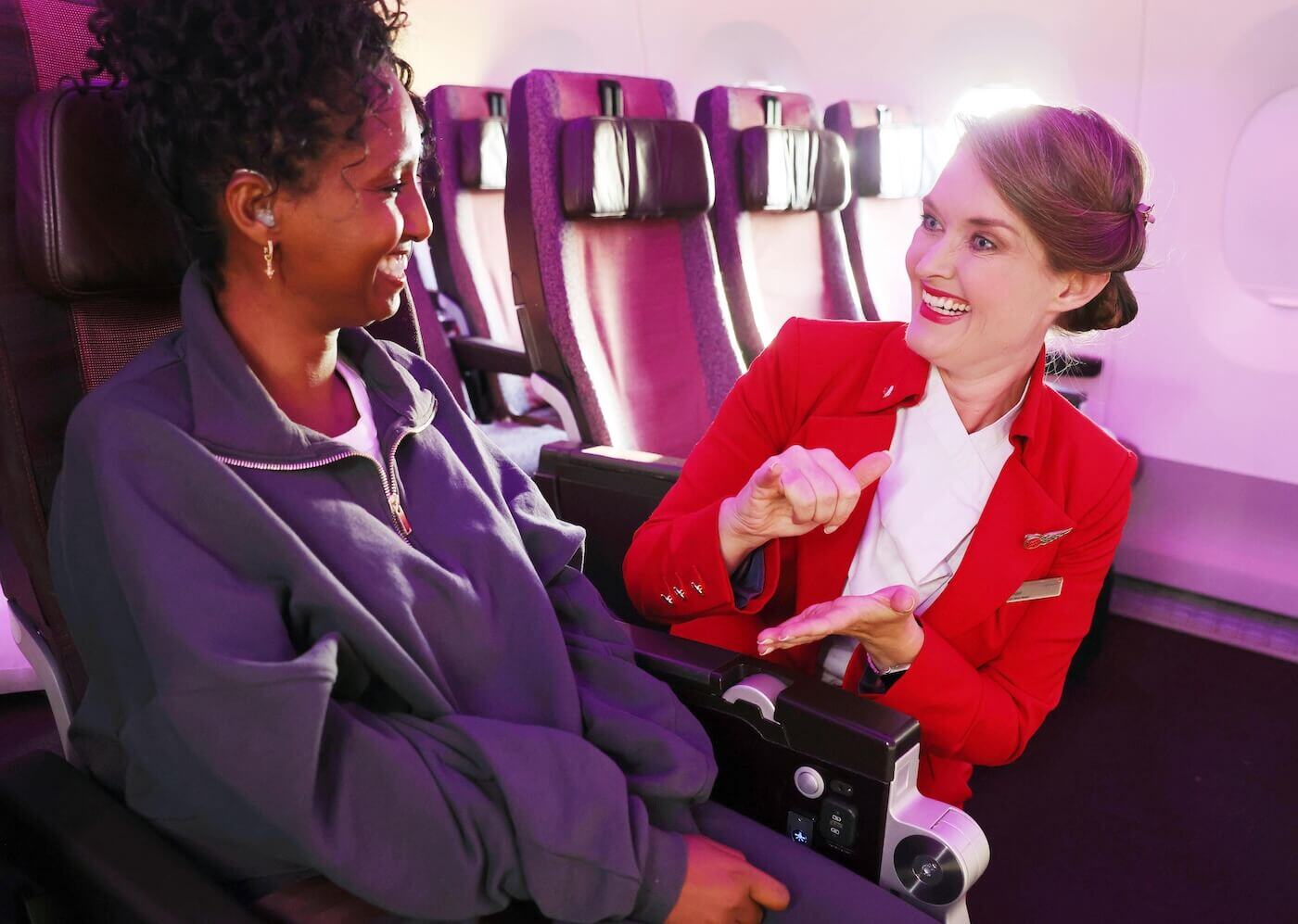
Improving its service for deaf and hard-of-hearing passengers, Virgin Atlantic has become the first UK airline to offer British Sign Language (BSL) trained flight crew. The airline recently put its commitment to the test by inviting deaf Gladiators star Jodie Ounsley and deaf content creators Hermon and Heroda Berhane to experience the enhanced service on a flight from London to Washington, DC โ€” and it promoted the initiative in a sign-language-only video.

Research by RNID, a UK charity supporting the 18 million people in the UK who are deaf, have hearing loss or tinnitus, indicates 82% of deaf or hard-of-hearing individuals plan to travel in the coming year. Over half are worried about communicating with crew members. When flying with Virgin Atlantic, they can request a trained staff member who can use BSL to welcome passengers, assist with navigation, relay announcements and help with accessible in-flight entertainment. The airline is also working on increasing subtitled entertainment options and implementing on-demand BSL interpreters for customer service teams.

Virgin Atlantic isn't the first airline to get its cabin crew signing:
๐Ÿ‡น๐Ÿ‡ท In 2017, Turkey hosted the Deaflympics and Turkish Airlines introduced a six-day 'international hearing impairment language training' program
๐Ÿ‡บ๐Ÿ‡ธ In 2019, Delta debuted name tags identifying crew members who speak sign language
๐Ÿ‡ณ๐Ÿ‡ฟ In May 2024, Air New Zealand flew the world's first commercial flight where attendants communicated with passengers using New Zealand Sign Language
๐Ÿ‡ฎ๐Ÿ‡ณ In May 2024, Indian low-cost airline SpiceJet started adding attendants trained in sign language to select flights
๐Ÿ‡ธ๐Ÿ‡ฆ In June 2024, low-cost Saudi carrier Flynas announced it would be training cabin crew in sign language
 
๐ŸคŸ Those corporate DEI efforts overlap with a growing interest in sign language among non-deaf individuals, fueled by interpreters captivating audiences during concerts and COVID-19 briefings, and by easily accessible tutorials on YouTube and TikTok (not all of which are accurate ๐Ÿ™„). That wider popularity is making it easier for brands across various sectors to engage workers in learning sign language, potentially leading to more inclusive workplaces, public spaces and service industries. 

virginatlantic-bsl-nametag

Village squared
3 October 2024

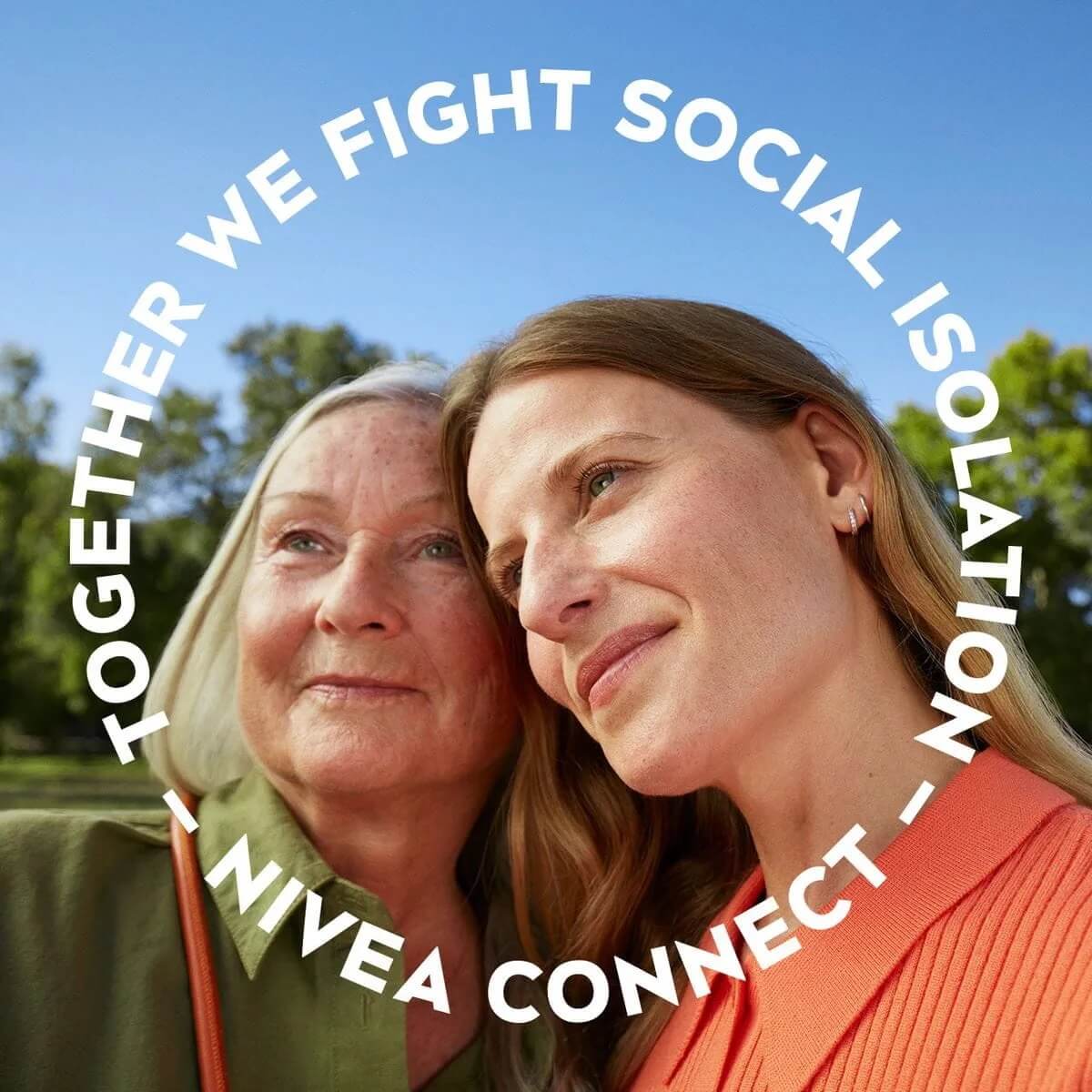
NIVEA's survey of 8,000 people across eight countries (๐Ÿ‡ง๐Ÿ‡ท๐Ÿ‡จ๐Ÿ‡ณ๐Ÿ‡ซ๐Ÿ‡ท๐Ÿ‡ฉ๐Ÿ‡ช๐Ÿ‡ต๐Ÿ‡ญ๐Ÿ‡ฟ๐Ÿ‡ฆ๐Ÿ‡ฌ๐Ÿ‡ง๐Ÿ‡บ๐Ÿ‡ธ) reveals a stark reality: 1 in 4 people are grappling with isolation always or often, confirming the existence of a global loneliness epidemic.

๐Ÿ˜ž Ripple effects
Health repercussions: 53% report worsening mental health and 48% feel physically worse, with loneliness linked to a 29% higher risk of heart disease and a 32% higher risk of stroke.
Stubborn stigma: 58% feel helpless when seeking support and 40% feel shame about their sense of isolation. While 67% know where to find help, only 46% feel comfortable reaching out.
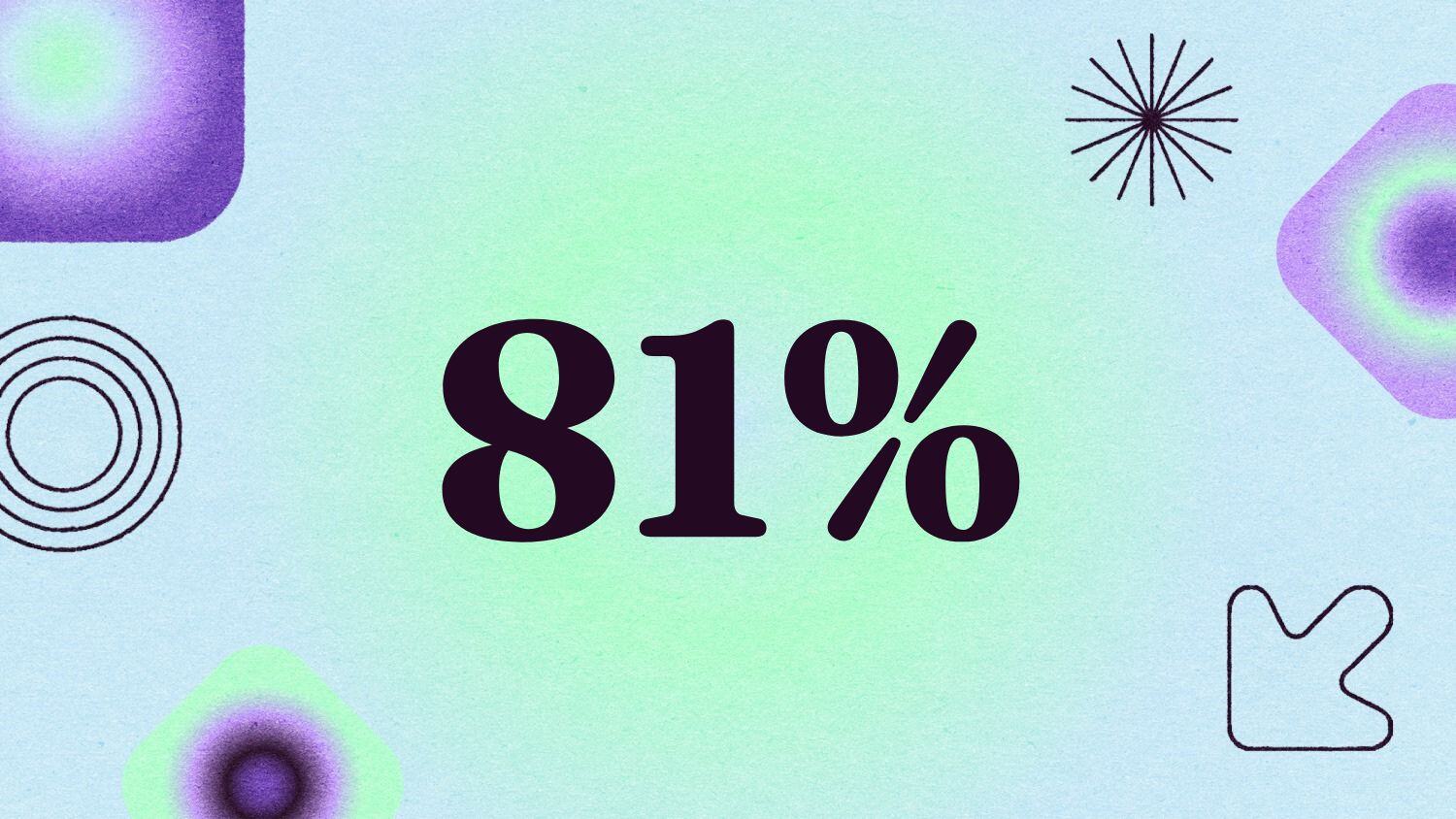
Empathy deficit: 81% think people today are just looking out for themselves. 58% of them feel alone even when they are around other people.

๐ŸŒ NIVEA's response
Since 86% of people are convinced loneliness is only getting worse, NIVEA just launched NIVEA CONNECT. The project's mission is to bridge the loneliness divide, dismantle the stigma and spark meaningful connections. By 2026, NIVEA CONNECT will be active in 40 countries, working with experts and local communities to drive lasting change.

โœจ Your mission?
What shape is your brand's community in? Think about its purpose: does the community genuinely connect people over their shared interest or passion (for your brand, or for what it enables them to be or do)? Could you take it up a notch by partnering with local organizations and health professionals to tackle the loneliness epidemic head on?

Shifting to circularity
1 October 2024

A recent survey by Innofact for Miele shows that 70% of German consumers see the circularity of domestic appliances as crucial for the future of our environment and society. And not just as a collective concern: 60% say it matters to them personally. Letโ€™s zoom in:

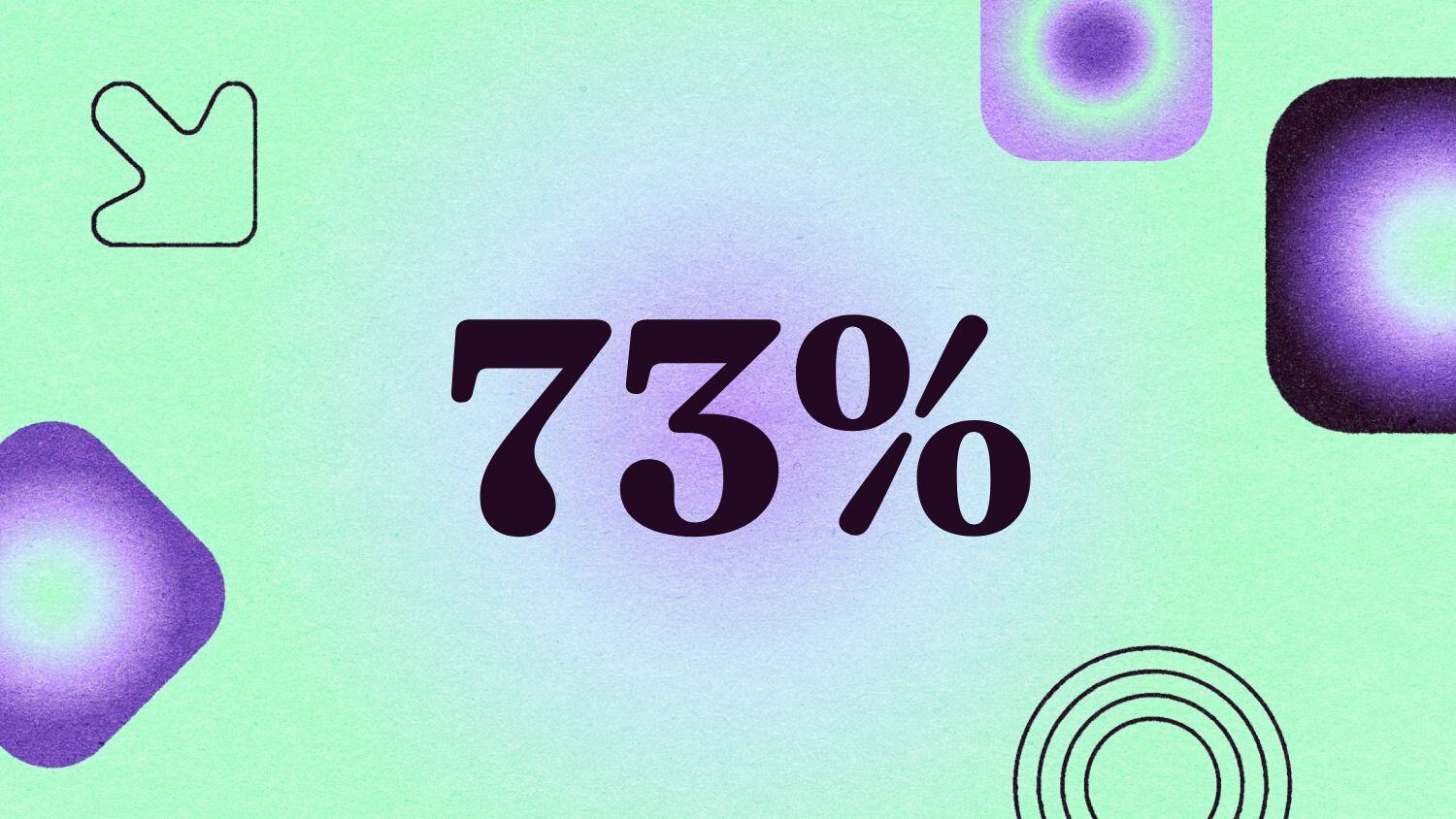
๐Ÿ”„ Recycled and refurbished: 73% trust the durability of domestic appliances containing recycled materials or refurbished components (65%)

๐Ÿ’ก USPs that matter: When it comes to purchasing decisions, price (79%), durability (76%) and energy efficiency (71%) top the list

โ™ป๏ธ Eco-motivation: The top drivers behind circular practices are to reduce waste and conserve resources, both at 89%

๐Ÿ›‘ Circularity hurdles: 62% worry about quality defects, and 58% think the product range is too limited

๐Ÿ”ง DIY repairability: 70% of respondents want the ability to repair domestic appliances themselves to save time and money

With eco-concerns rising and the right to repair spreading across product categories, itโ€™s time for brands to adopt a 360ยฐ approach to circularity: 

Design phase
Are your products built for disassembly and longevity? Think Mieleโ€™s vacuum cleaners embracing the cradle-to-cradle model or Somerโ€™s modular, future-proof kitchens.

Use phase
Whether offering after-care services or empowering DIY repairs, how are you helping consumers extend the life of goods they own? Take inspiration from Londonโ€™s Fixing Factories, a community hub for free repairs and skills, or Yelpโ€™s AI chatbot, bridging the gap between consumers and repair pros.

Watch this space
30 September 2024

As artificial intelligence weaves its way into daily life, Chinese kids are embracing the technology through a somewhat unexpected medium: smart watches. The "Youth Blue Book: Report on Internet Use of Chinese Minors 2024," published by the Institute of Journalism and Communication of the Chinese Academy of Social Sciences, reveals that over 45% of minors surveyed have used an AI-powered product at least once. In cities, 20.5% of minors reported using AI-enabled devices, compared to 8.1% in rural areas.

As reported by Sixth Tone, the surge in AI-enabled wearables for children comes in the wake of government crackdowns on screen time for minors. Phone bans in Chinese schools are driving parents towards smart watches, particularly those by the brand Xiaotiancai, or "Little Genius." Besides allowing parents to contact kids and track their location, vital signs and emotional state, the devices feature native AI apps like one that turns text prompts into drawings, and a game that uses chatbots for interacting with characters.

The trend mirrors global developments in AI-integrated wearables, including Meta's continued push into smart glasses (worth a watch: this interview with Mark Zuckerberg by The Verge). As experiments with dedicated AI hardware proliferate worldwide, China's experience with smart watches for kids could offer valuable insights into how younger generations might adopt and interact with artificial intelligence.

Romance redefined
27 September 2024

The latest State of Dating Report from The Kinsey Institute's Dr. Justin Lehmiller and Feeld dives into the intimate thoughts of 3,310 members of Feeld, a location-based dating platform active in 71 countries. The results? Dating norms seem to have flipped: 81% of Gen Z fantasize about monogamy, while Boomers dream of joining a polycule. In fact, 75-80% of older generations fantasize about open relationships... ๐Ÿ”„

Despite Gen Z romanticizing the simplicity of old-school relationships, they're also breaking barriers with the most expansive views on gender and sexuality ever ๐ŸŒˆ As norms continue to evolve, how can you help people explore relationships in fresh ways? From senior sexperts shattering sexual stigmas to singles walls for those suffering from app fatigue, there's plenty of room to innovate and cater to everyone's dating fantasies.

While doing so, keep in mind what Dr. Kinsey articulated back in 1948: "The world is not to be divided into sheep and goats, and not all things are black nor all things white. It is a fundamental of taxonomy that nature rarely deals with discrete categories. Only the human mind invents categories and tries to force facts into separated pigeon-holes. The living world is a continuum in each and every one of its aspects.โ€

Eco premium vs eco bargain
23 September 2024

Bain's The Visionary CEO's Guide to Sustainability 2024 is here, revealing consumer insights across 10 countries (๐Ÿ‡บ๐Ÿ‡ธ๐Ÿ‡ฌ๐Ÿ‡ง๐Ÿ‡ณ๐Ÿ‡ฑ๐Ÿ‡ฉ๐Ÿ‡ช๐Ÿ‡ซ๐Ÿ‡ท๐Ÿ‡ฎ๐Ÿ‡น๐Ÿ‡ฏ๐Ÿ‡ต๐Ÿ‡ง๐Ÿ‡ท๐Ÿ‡จ๐Ÿ‡ณ๐Ÿ‡ฎ๐Ÿ‡ฉ). Here are our top five stats:

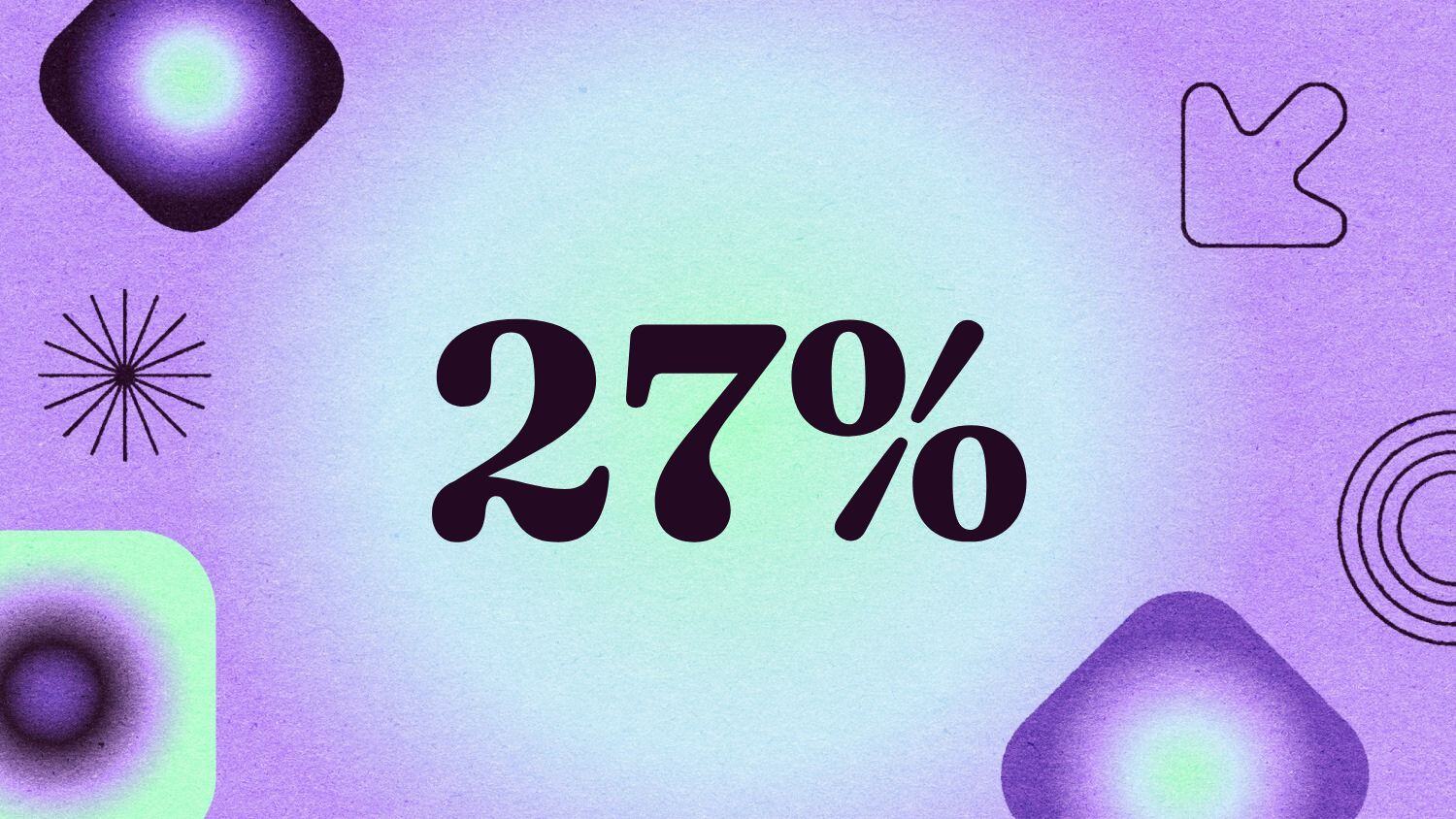
  • ๐Ÿ’ธ 27% believe living sustainably would cost them less, from 17% in the UK and Germany to 52% (!) in Indonesia.
  • ๐ŸŒฑ 61% say climate change worries have grown over the past two years, especially in climate-vulnerable countries like Brazil (78%), Indonesia (73%) and Italy (70%).
  • ๐Ÿ”ฅ 40% say experiencing environmental disasters (like floods or wildfires) is their top motivator for buying sustainable products.
  • ๐Ÿ’ช 76% believe a sustainable lifestyle is important because their actions matter.
  • โ™ป๏ธ 60% care about packaging's environmental impact, with 48% demanding recyclable and 40% pushing for reusable packaging.

The disparity between 52% of Indonesians thinking sustainable living could save them money โ€” compared to just 17% in wealthier nations like the UK and Germany โ€” presents an opportunity for brands marketing to consumers in the Global North. How could you flip the script and turn eco-conscious choices into a way to save money?

New labor
19 September 2024

Gen Z: lazy or redefining productivity? Weโ€™ve asked it before and Samsungโ€™s new survey, The 2024 AI-Preneur Effect, digs in, too. Gen Z isnโ€™t lounging on the couch โ€” they're hustling! Based on insights from 7,000+ Gen Z across France, Germany, Korea, the UK and the US, Samsung reveals how this generation is using AI to boost productivity and chase their side-hustle dreams.

Here's the scoop, directly tied to three key trend opportunities:

๐Ÿšจ NEW LABOR // Ready to fully embrace Gen Zโ€™s work mode?

49% of full-time Gen Zers say their jobs fall short of expectations. Plus, 87% globally struggle with full-time work issues like inflexibility (60%) and job insecurity (58%). Amazon, are you listening? ๐Ÿ˜‰

๐Ÿ’ผ SIDE HUSTLE HEROES // How can you help them unleash their inner entrepreneur?

65% of Gen Z value a steady paycheck and benefits, followed by career growth (44%), learning new skills (35%) and the chance to follow their passions (35%). No surprise, 73% dream of starting their own side hustle.

๐Ÿค– M.E.O. // Which AI tools could you launch to support the one-person CEOs of tomorrow?

73% of Gen Z side hustlers (think personal trainers, content creators, artists) are already using AI to supercharge their gigs, with 69% calling AI their go-to work resource. But with 67% of aspiring hustlers unsure how to tackle certain tasks, thereโ€™s room to offer tools to help them thrive.

Screen-time struggles
18 September 2024

A survey from Finnish mobile phone manufacturer HMD of 10,000 parents in the UK, US, India, Germany and Australia finds that 54% regret giving their kids smartphones because:

  • 70% believe their own smartphone-free childhoods led to better family time
  • 75% fear smartphones expose their kids to internet dangers, with over half admitting they donโ€™t know what their children are doing online
  • In their kids, they observe negative impacts on sleep (64%), physical inactivity (61%) and reduced time socializing with friends (54%)
  • Nearly half report changes in their child's personality due to phone use

๐Ÿ“ต The new school year has reignited the debate over smartphone bans. Parents and educators are concerned about the impact of screen time on youth, citing mental health concerns, cyberbullying worries and declining attention spans. Schools across the US and Europe are already experimenting with bans.

Beyond classrooms, how can brands help parents curb Gen Alphaโ€™s screen time? Stricter social media age limits (set to be imposed in Australia) and pushing dumbphones (as EE is doing in the UK) wonโ€™t cut it. Instead of blaming parents for using YouTube as a digital babysitter, brands could offer better tools for keeping kids engaged and entertained.

Go woke, don't go broke
17 September 2024

Companies scaling back their diversity and inclusion efforts in marketing may want to reconsider. A global study conducted by the Unstereotype Alliance and researchers from Oxford University's Saรฏd Business School has empirically proven that inclusive advertising โ€” which it defines as "content which authentically and positively portrays a full range of people and is devoid of stereotypes," has a significant positive impact on business performance across multiple metrics.

The study, which analyzed 392 brands in 58 countries, found that inclusive ad campaigns deliver 3.5% higher short-term sales and 16% higher longer-term sales compared to non-inclusive campaigns. They also result in a 62% higher likelihood of the brand or product being a consumer's first choice and 15% higher customer loyalty. Crucially, these benefits extend into the long term, with inclusive advertising contributing to stronger brand reputation and higher brand value over time.

Using proprietary data provided by Unstereotype Alliance members Bayer Consumer Healthcare, Diageo, the Geena Davis Institute, Kantar, Mars Incorporated, Mondelez International and Unilever, the research covers diverse product categories, including confectionery, personal care, alcohol and household products. It represents the first comprehensive, data-driven challenge to the notion that inclusive advertising could negatively impact business performance โ€” an argument that's been used to resist or dial down inclusive marketing despite a lack of evidence.

The numbers look good: 6 reasons to embrace inclusive ads
Back to Top