(F)EMPOWERMENT
28 August 2025

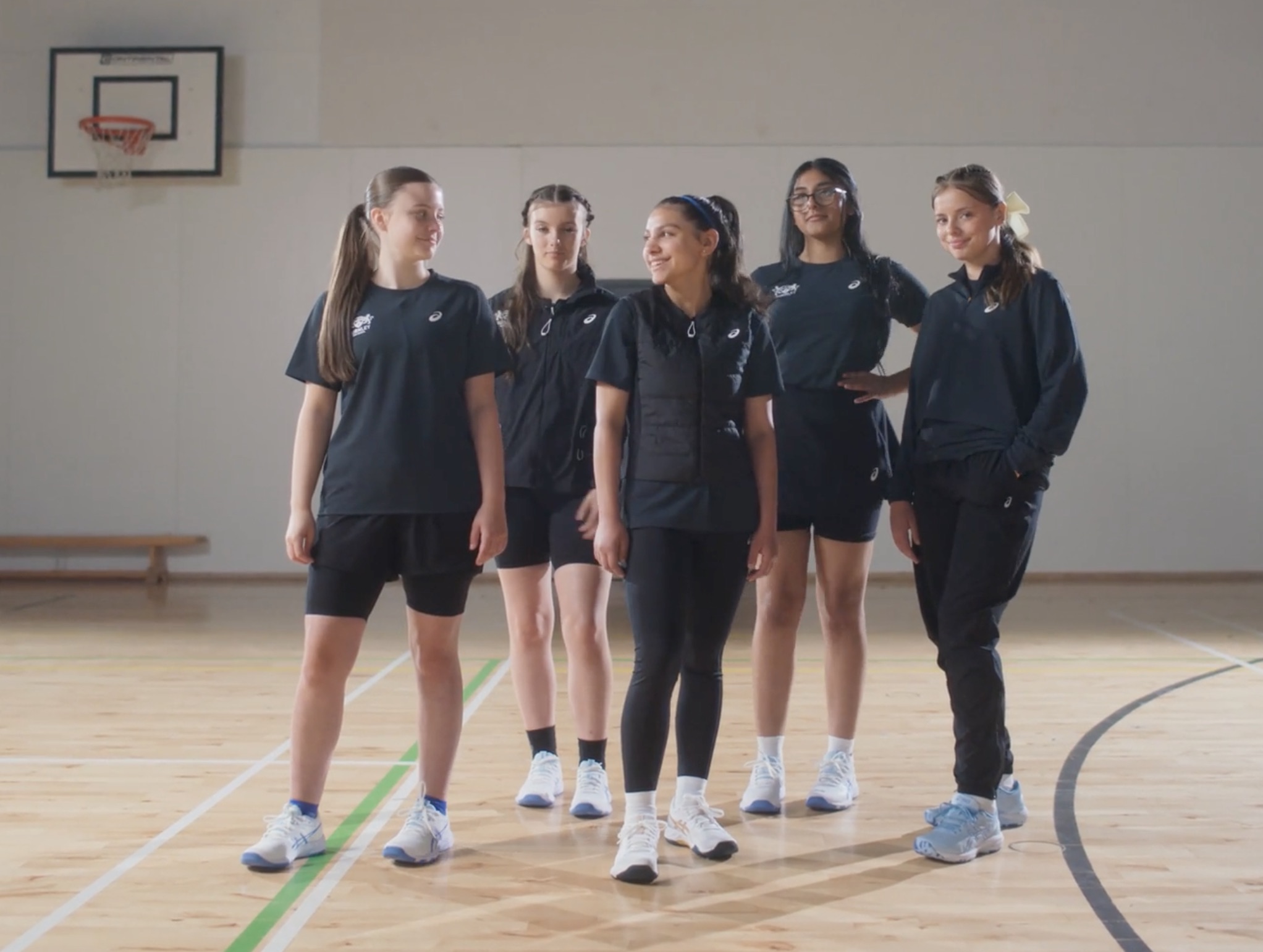
ASICS is taking a new approach to keeping girls engaged in physical education with its Undropped Kit, a reimagined physical education uniform designed to address comfort issues that contribute to 64% of UK girls abandoning sports before age 16. Working alongside Inclusive Sportswear and mental health charity Mind, ASICS conducted extensive research through focus groups, surveys and a school trial in Burnley, where PE engagement is just 38.2%. Their study revealed that 70% of girls would be more likely to participate in PE if their kit made them feel more comfortable, and only 12% are completely satisfied with their current uniforms.

The Undropped Kit concept tackles this issue head-on with sportswear that accommodates different body shapes, weather conditions and personal styles (and even includes an emergency hair tie). While not available for purchase, the prototype serves as a powerful demonstration of how thoughtful design can eliminate distractions and discomfort during physical activity. "With this new kit, you're not thinking about what you're wearing, you're just thinking about having fun and enjoying the sport you're doing," explains Tilly Taylor, a school ambassador for the initiative.

TREND BITE
"Our kit is itchy, see-through and makes you really sweaty." "We worry period leaks will show." "Our kit is baggy and shapeless. It feels like it was made for boys." Teen girls aren't dropping out because they don't like sports. They're dropping out because kit makes them feel exposed, uncomfortable, or "different." By reframing gym clothes as confidence-enablers, ASICS taps into a wider consumer desire for apparel that’s not only functional, but emotionally supportive (think: period-proof underwear, adaptive fashion, modest swimwear).

The link between physical activity and mental wellbeing is well-established, yet barriers to participation often go unaddressed. ASICS is zooming in on the fragile transition years when teenage girls often disengage. That shift puts the focus on keeping girls in the game, not just celebrating star athletes who rise to the top. As sportswear brands navigate the intersection of physical and mental health, expect more companies to recognize that groundbreaking design isn't limited to performance enhancement, but could start with removing barriers to participation.

AI GENIES
27 August 2025

MIT students Jacob Payne and Ayah Mahmoud have developed Kitchen Cosmo, a kitchen gadget that transforms cooking from rigid recipe-following into collaborative improvisation based on whatever ingredients someone has on hand. A webcam scans the available items, dials allow a cook to indicate their mood and skill level, and analog switches can be flipped to set dietary preferences. 

Kitchen Cosmo combines those inputs to generate personalized recipes and send them to its thermal printer, creating a tactile, screenless interaction that feels more like consulting a knowledgeable kitchen companion than operating a digital device. The prototype's retro-futuristic aesthetic evokes an earlier era of computing, complete with analog dials and paper printouts that make AI's contributions visible and tangible. 

TREND BITE
As AI becomes ubiquitous, designers are exploring more intimate and tactile ways for people to interact with machine intelligence. Kitchen Cosmo exemplifies that shift with its helpful household presence. Rather than providing abstract cloud-based assistance, the appliance domesticates artificial intelligence, transforming it into something human-sized and approachable.

This suggests a new category of AI-powered analog appliances that help people feel both futuristic and grounded. Beyond cooking, one could imagine screenless AI sewing machines, gardening assistants or even music tutors. The key is a blend of tactility and AI intelligence, with a dash of charm and delight.

SERENDIPITY SEEKERS
26 August 2025

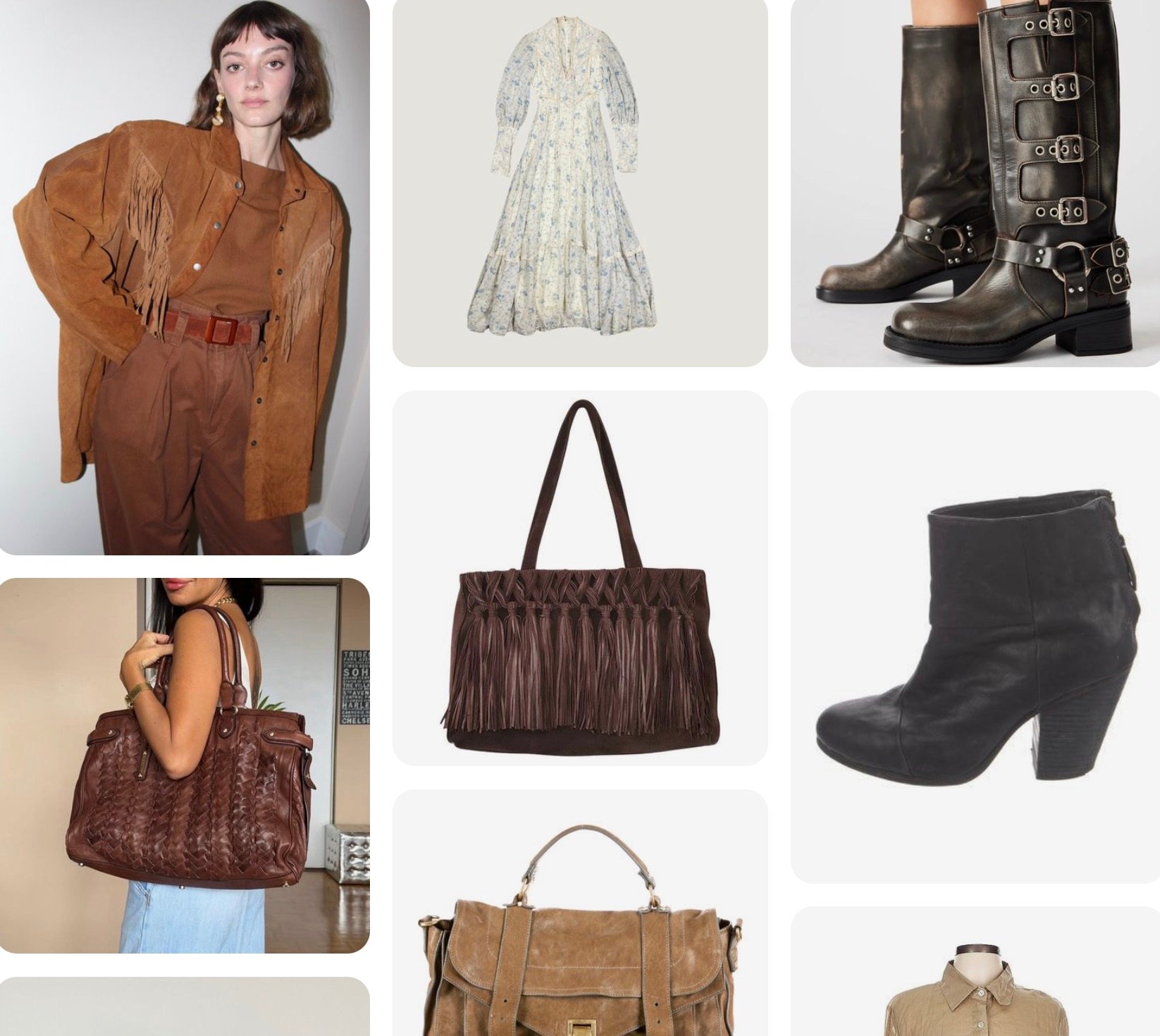
Pinterest just launched Thrift Shop, a dedicated set of boards on Pinterest Shop. The curated, shoppable boards offer a new way for users to discover and purchase vintage and secondhand items. Running through September 26th, the initiative sees Pinterest partnering with over 30 vintage retailers globally. Boards feature curated drops from industry tastemakers and Pinterest offers tools like collage templates that help users create thrift wishlists, bridging the gap between online inspiration and both digital and in-person shopping.

The timing aligns with Pinterest's 2025 Fall Trend Report, which shows surging searches for terms like "dream thrift finds" and "vintage autumn aesthetic," especially among Gen Z, who now make up over 50% of Pinterest's users. Pinterest is essentially formalizing what users were already doing organically — using the platform to find inspiration, plan purchases and curate personal style through preloved pieces.

TREND BITE
Gen Z is tired of the “TikTok-ification” of fashion, where trends collapse into sameness. By curating thrift and vintage finds, Pinterest positions itself as the antidote: a platform where style is anchored in scarcity and story. Buying thrift is as much about identity as affordability and sustainability. Every piece is a narrative artifact, making shoppers feel like co-creators instead of mere consumers.

Expect those shoppers to start asking mainstream brands: why should I buy new when preloved is more original, more sustainable and often more stylish? As people increasingly seek unique pieces, brands that can authentically connect to that desire for surprise and self-expression will find themselves ahead of a curve that shows no signs of flattening.

Ecological Estrangement
25 August 2025

A comprehensive modeling study published in Earth reveals the staggering scope of humanity's disconnection from nature. Having tracked the evolution of "nature connectedness" from 1800 to 2020, researchers find that restoring humanity's relationship with nature isn't simply about planting more trees and creating more parks.

KEY FINDINGS

🏢 Massive decline: Nature connectedness dropped approximately 60% since 1800, closely tracking urbanization rates that increased from 7.3% to 82.7% of the population
⛓️‍💥 Disconnection across generations: Parents' relationship with nature emerged as the strongest predictor of their children's connection (80% weighting), creating a self-reinforcing cycle
🧒 Intergenerational payoff: Because disconnection is handed down through families, early childhood interventions are disproportionately impactful; they ripple through society over multiple generations
💪 Recovery requires transformation: Only the most ambitious combined interventions — radical increases in nature access paired with targeted family-based programs — will trigger self-sustaining recovery after 2050

OPPORTUNITIES FOR BRANDS: FOUR ROUTES TO PURSUE

If society fails to act, disconnection from nature could undermine sustainability and mental health for the rest of the century. But if organizations invest in systemic interventions now, they can trigger a self-sustaining cultural recovery. Corporate programs act as cultural multipliers: strengthening parents' connection, and giving them confidence to help their children engage with nature.

🌳 1. Green the workplace
— Biophilic design: natural light, plants, green walls, outdoor workspaces
— Dedicated green breaks: encourage short daily outdoor time, not just lunch breaks
— Company policy: buildings must include green spaces (think rooftop gardens, courtyards), preferably also accessible to the general public

📄 2. Integrate nature engagement into benefits packages
— Nature days: extra paid leave for outdoor volunteering or family time
— Subsidized memberships: national parks, urban farms, wildlife trusts
— Green prescriptions: walk-and-talk therapy, mindfulness in parks, forest bathing

👭 3. Family nature transmission
— Family-focused weekend events, for example "Nature Discovery Days" for employees and their children
— Parent workshops on nurturing children's nature connectedness
— Partner with schools: sponsor outdoor classrooms or nature play areas

🏅 4. Cultural storytelling
— Internal communications highlight employees' nature experiences, making nature engagement visible and valued
— Annual nature-at-work awards  recognizing teams or individuals for innovative engagement with nature
— Tie company values to stewardship: "our sustainability goals begin with connecting people to the nature we depend on"

STAT
20 August 2025

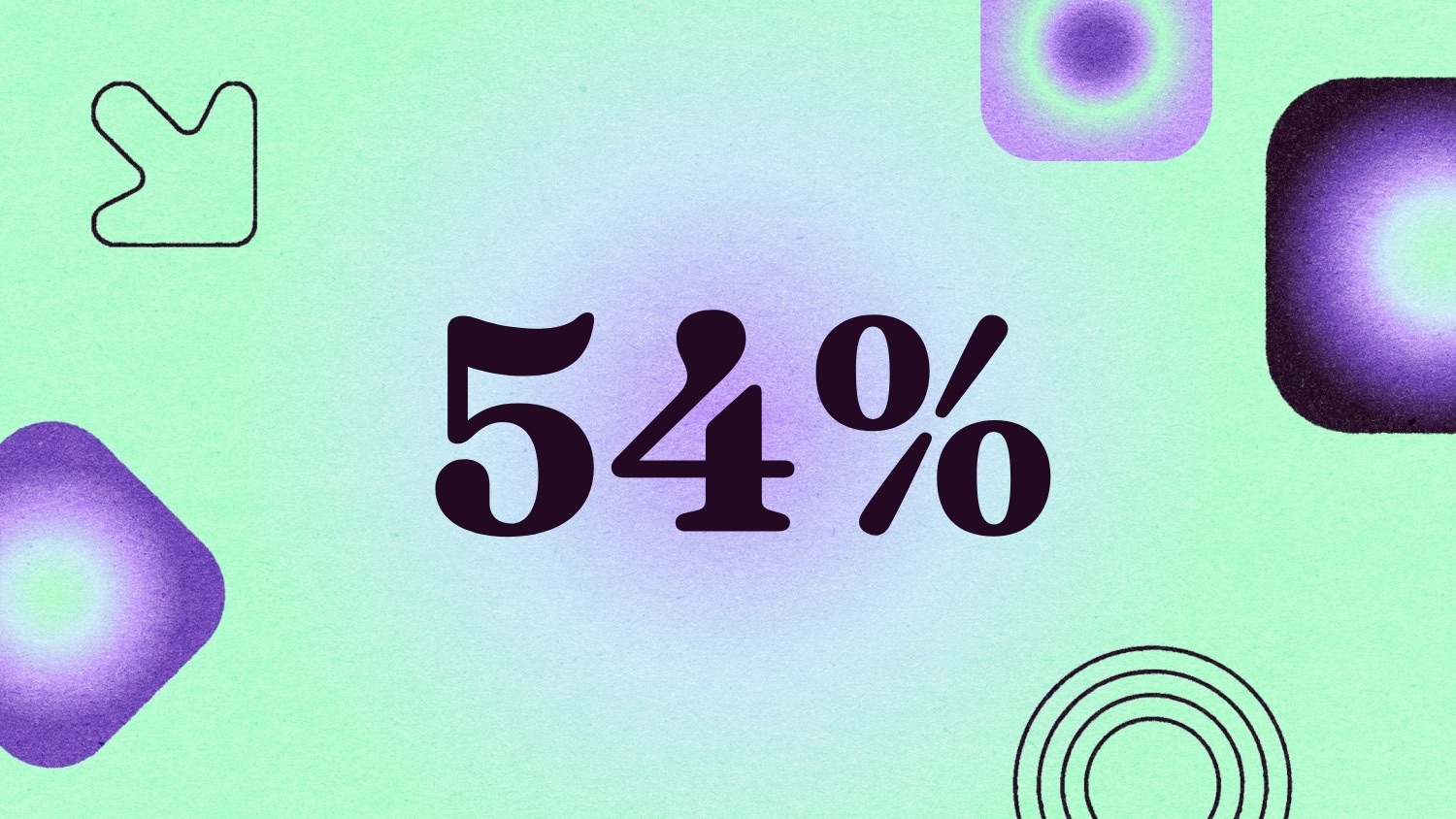
Alcohol consumption in the US has hit historic lows as health concerns climb to unprecedented levels. According to Gallup's latest data, just 54% of US adults now identify as drinkers — the lowest percentage since Gallup began tracking the stat over eight decades ago.

🥤 This downward trajectory coincides with mounting health concerns, as 53% of Americans now believe that moderate drinking (one or two drinks a day) is harmful, which is a dramatic increase from just 28% in 2018

🧋 There's a significant generational divide in believing drinking is bad for one's health: 66% among those 18 to 34, vs. 50% for the 35-54 cohort, and 48% for those 55 and older

🧉 The number of drinks is down, too. Among those who drink, less than a quarter reported having had a drink in the previous 24 hours, which is a record low. The average number of drinks consumed in the past week is 2.8, which is the lowest Gallup has recorded since 1996

BEYOND PROCESSED
14 August 2025

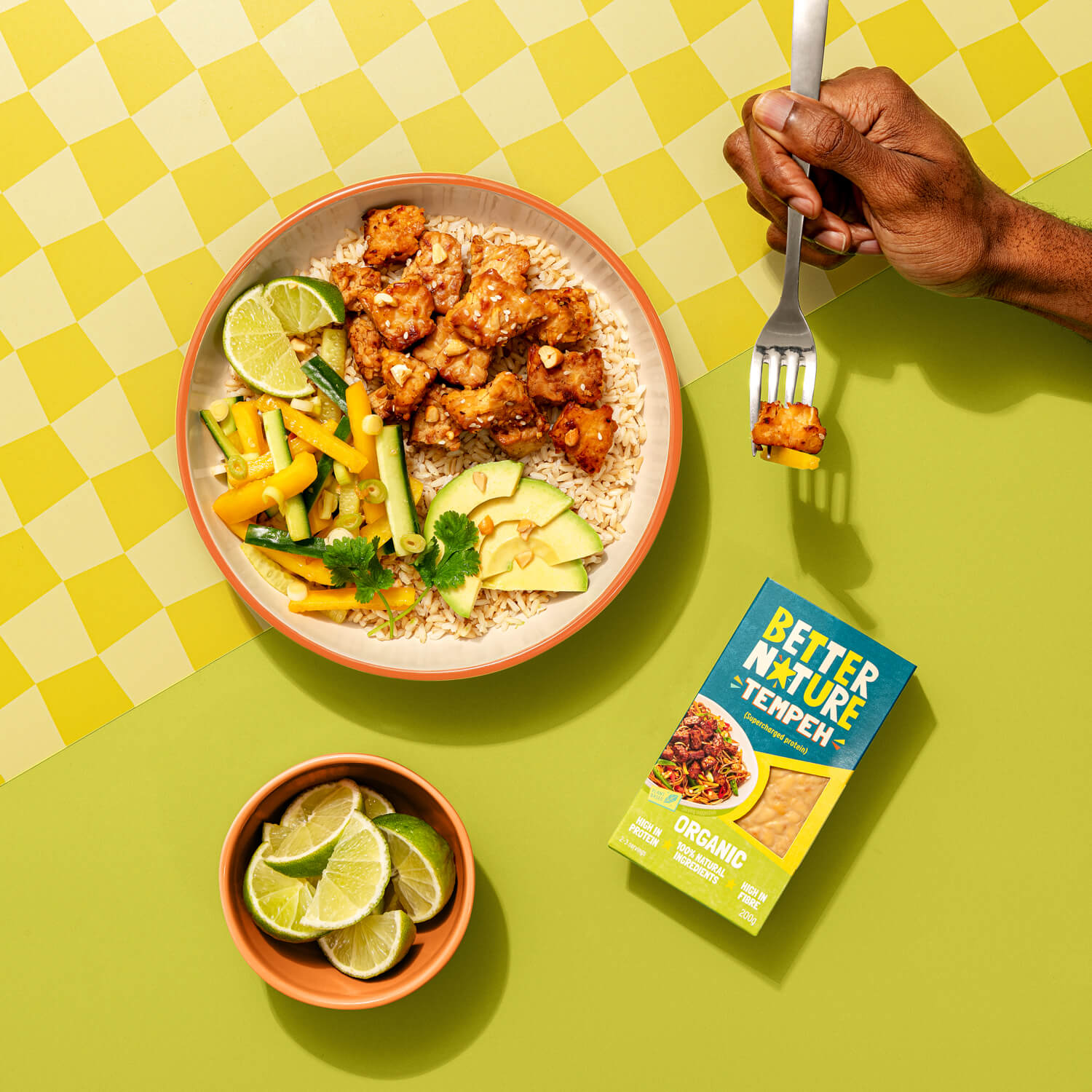
While plant-based protein maker Better Nature secures GBP 1.1 million in funding to accelerate growth, category pioneer Beyond Meat continues its downward trajectory. The divergent fortunes reflect a shifting market where consumers increasingly favor clean protein alternatives over ultra-processed options.

Better Nature, founded in 2020 and now the UK's leading tempeh brand with 38.1% market share, saw solid growth with Q2 sales up 128% year-on-year. The brand's minimally processed, gut-friendly tempeh — with similar protein content to chicken but more fiber — resonates with health-conscious consumers seeking clean-label options, as well as with those seeking an easy and affordable alternative to slaughtered meat. With its "Give chicken the night off" campaign, Better Nature is deliberately positioning tempeh as a savvy swap for the UK's most widely eaten meat.

The funding round will fuel marketing initiatives and innovation as Better Nature expands beyond its current distribution through Tesco, Asda, Whole Foods, REWE, Knuspr and other retailers in the UK, Germany and Austria. Meanwhile, Beyond Meat announced a 6% workforce reduction as its quarterly revenue plunged nearly 20%, with US retail sales declining by 26.7%.

TREND BITE
What's happening, in plain terms:

🫛 Better Nature is leaning into natural, gut-friendly, protein-rich tempeh with a short ingredient list, cultural authenticity (the brand is UK-based but has Indonesian roots), and a halo of health credibility. It's selling a nutritional upgrade story, not a "just-like-meat" one.

🧪 Beyond Meat is facing the backlash against ultra-processed products, coupled with price sensitivity and waning novelty. Its "we can trick you into thinking it's beef" proposition is losing steam as consumers aspire to eat more whole and minimally processed foods.

The plant-based boom of 2018–2021 was fueled by early adopters and flexitarians chasing new options, sustainability and ethical eating. But that wave is now breaking. The winning brands in the next phase of alternative protein will be those that shift the conversation away from mimicry and toward nutritional superiority and ingredient integrity.

AI WAYPOINTS
11 August 2025

Booking.com recently polled 37,325 people across 33 markets "to better understand how people around the world are using, trusting and responding to AI in both everyday life and travel."

A few highlights from the Global AI Sentiment Report:
🛳️ High adoption: overall, 67% of travelers already use AI tools when planning or going on trips
🤔 Geographic trust divide: Latin American and Asia-Pacific regions lead in AI enthusiasm and trust, with 51% and 38% of consumers, respectively, trusting AI fully or mostly. By contrast, North America (30%) and Europe (28%) show greater skepticism despite developing many of today's dominant AI technologies
🧳 Good-bye, watercooler, hello ChatGPT: AI assistants (24%) have surpassed work colleagues (19%) and influencers (14%) as reliable sources for travel planning advice

So, what exactly are people turning to AI for?
🏝️ 71% of travelers want recommendations to avoid overcrowded destinations
✌️ 60% seek experiences that positively impact local communities
🌍 38% want help researching new destinations

But they're not without concerns:
📿 47% worry AI could reinforce stereotypes or discrimination
💰 38% fear the technology will deprioritize budget travelers

The message for brands is clear: consumers are starting to rely on AI for planning and exploring (potential) purchases, but building trust through transparency and ethical implementation remains essential for long-term success.

TRIBEFACTURING
5 August 2025

Two recent news items signal the emotional, legal and cultural elevation of pets:

⚖️ Australia's Family Law Amendment Act 2024, which came into effect this June, acknowledges pets as more than mere property in family disputes. The legislation introduces a framework that considers factors like caregiving responsibilities and emotional bonds when determining who gets pet custody; the amendment recognizes animals as "sentient beings" rather than objects to be divided like furniture.

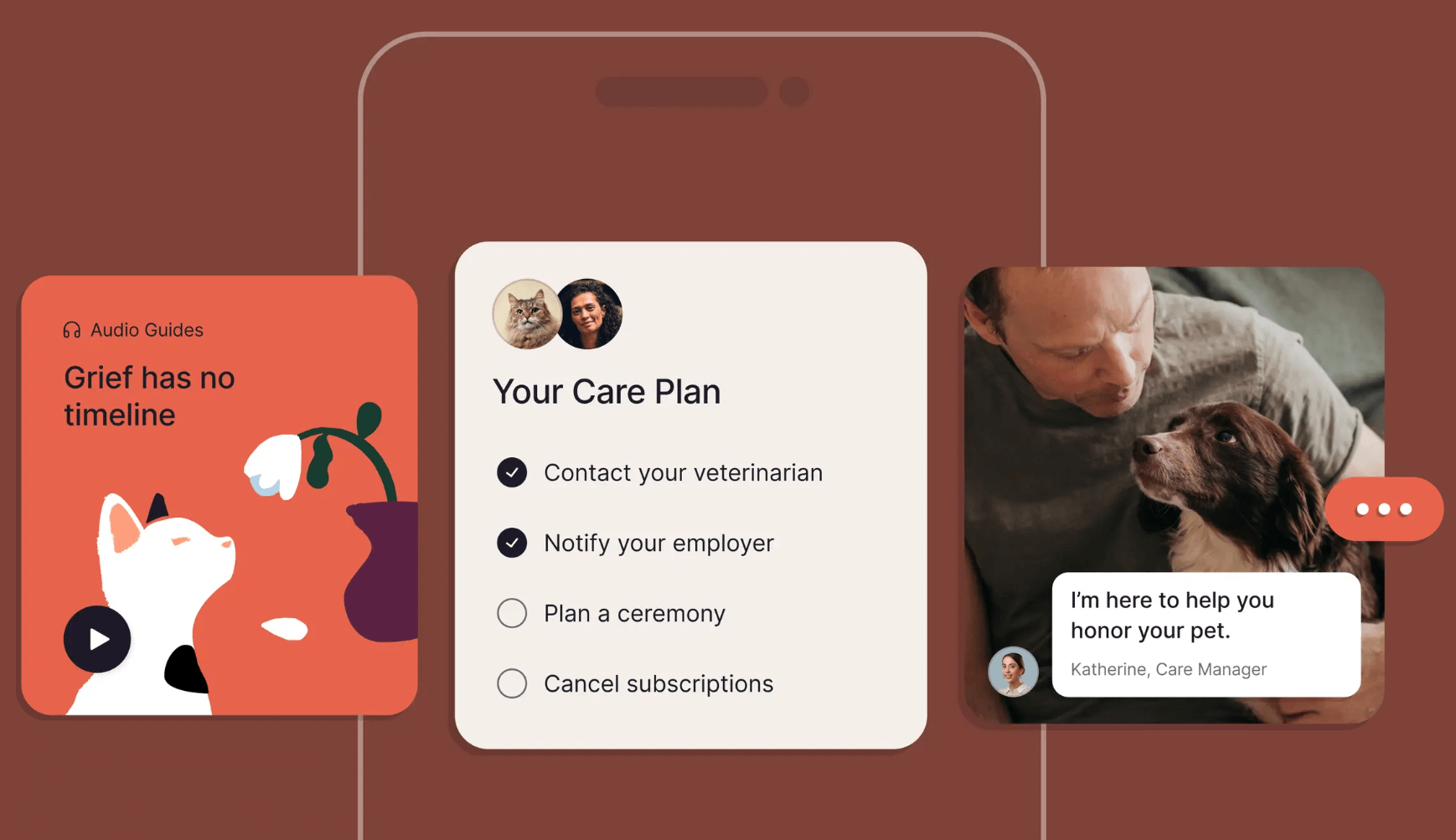
💼 Corporate benefits packages are similarly transforming to accommodate this cultural shift. Empathy, a technology company specializing in life's difficult transitions, recently launched a first-of-its-kind Pet Loss Support service as part of its bereavement benefits portfolio. The timing seems apt: 62% of Americans now live with pets, with 97% of pet owners considering them family members. More telling is that three in five employees have seriously contemplated leaving their jobs for better pet-related benefits, even at the cost of reduced pay.

TREND BITE
What’s emerging is a deep societal recalibration around how pets are perceived. Not just in sentiment, but in policy, law and workplace culture. These two developments, seemingly unrelated, both recognize one core truth: 🐾 Pets are not property. They're emotional beings with social, legal and psychological significance.

For brands and other innovation leaders, this shift creates opportunities to develop products and services addressing the full spectrum of the human-animal relationship. The most successful offerings will recognize that modern pet owners don't just want products for their animals, but services and experiences that enhance and honor their shared lives. Companies that authentically speak to this emotional dimension will find receptive audiences in a massive global market.

NEW LABOR
28 July 2025

Back in March, we asked: Could AI productivity gains unlock the future of 4-day workweeks for all? Flash forward to July, and the answer is looking more like a resounding YES. Bernie's on board, too, arguing that the time saved by AI should be given back to workers, allowing them to spend more time with their families instead of managing their inboxes.

🔁 Following up: A UK four-day workweek trial run by the 4 Day Week Foundation just wrapped — and all 17 companies involved are sticking with it. That's a 100% success rate. And these weren't just startups or niche players. The trial spanned sectors from finance to science.

🚀 Results? Less burnout. Happier teams. No dip in productivity. In fact, many reported gains in efficiency and revenue. BrandPipe, a London-based software firm, saw revenue jump nearly 130%. And they didn't need AI to pull it off.

AI may deliver the tipping point to make shorter workweeks mainstream. From teachers saving six weeks a year on lesson planning thanks to chatbots, to robot arms and digital twins transforming factory floors — AI is quietly reshaping time. If AI can help everyone work smarter, shouldn't everyone, from truck drivers to UX designers, get a slice of that saved time? Forward-thinking innovation isn't just about adopting AI. It's about carefully considering how to spend the time that AI frees up.

A 4-day workweek isn't a perk; it's fast becoming a cultural expectation and a competitive edge. Given the potential for higher revenue, productivity boosts, happier workers and lower employee turnover, rational organizations will:
✂️ Reinvest AI-driven time savings into real flexibility for workers
🧠 Recognize rest as generating ROI
🎯 Sync with Gen Z's rhythm of pause → pivot → purpose (hello, micro-retirements)

BEHAVI:OUR
22 July 2025

According to the Ipsos Pride Survey 2025, more people than ever are identifying openly as LGBTQ+, with Gen Z leading the charge from NYC to Budapest. But while identity expands, acceptance hasn’t kept pace. Here’s your round-up:

🌈 Identity, expanded: Across the 26 countries polled by IPSOS, 9% of adults identify as LGBTQ+. Among Gen Z, that number jumps to 14%.

📉 Rainbow fatigue? While visibility is climbing, support is slipping — especially in Western countries. Since 2021, backing for same-sex marriage dropped by 8% in Italy and 6% in Canada.

🧑‍💻 Gen Z’s gender divide: While 59% of Gen Z women support LGBTQ+ individuals being open about their identity, just 38% of Gen Z men agree — mirroring Millennial (43%) and Gen X (44%) men.

What’s next for brands? As more people live out loud, backlash grows louder, too. Performative allyship? Obsolete. Gen Z expects brands to go beyond rainbow capitalism — be fluent in fluidity, and fearless in the face of pushback.

Your inclusive innovation checklist:

1️⃣ Go structural. Let Pride shift from performance to policy. Nearly 2 in 5 Fortune 500 and Global 100 brands pulled back Pride Month activity this year, signaling fear over solidarity. Flip that.
🇨🇦 Like Egale Canada’s powerful campaign linking historical hate to modern-day violence — a visceral reminder that Pride is protest, not just party.

2️⃣ Rethink representation. Move beyond rainbows. Reflect lived complexity, not clichés.
🇵🇭 Like Home Credit Philippines, where mirrored installations helped employees reflect, literally and metaphorically, on their own Pride stories.

3️⃣ Co-create × queer. With LGBTQ+ creators hit hard by ad spend cuts, your budget can be a force for visibility.
🇺🇸 Like NYX’s Pridemix campaign, amplifying queer music artists during Pride Month.

4️⃣ Create safe spaces. Too often, queer people are misrepresented, or missing entirely, in representation. Build online and IRL experiences where they’re not just included, but centered.
🌍 Like Taimi, the LGBTQ+ dating app whose new Taimi In-Person feature helps users discover real-world LGBTQ+ events — already powering 77+ events in its pilot.

ASSISTED DEVELOPMENT
15 July 2025

For Gen Z, homeownership isn’t off the table, it’s being reassembled. As prices soar and wages stall, the next generation isn’t bowing out. They’re buying in — together.

A 2025 US report by National MI and FirstHome IQ shows that 32% of Gen Z adults (18–24) are open to co-buying a home — teaming up with friends, siblings or parents. That’s nearly double the rate of Millennials (18%). Sibling co-ownership alone has jumped from 4% in 2023 to 22% in 2025. Gen Z is also more likely than millennials to house hack; they‘re renting out part of their home to make the math work (23% vs. 17%).

💸 Still, only 56% of Gen Z believes homeownership is attainable (vs. 61% of Millennials), so they’re getting creative, with YouTube tutorials and ChatGPT chats fueling their financial literacy.

🛠️ Gen Z is fluent in remix culture. They co-design fashion lines, co-authoring identities, co-building digital worlds, and now, they’re co-owning real ones. For them, ownership is less about solo independence and more about shared stakes, flexible models and collaborative futures.

Yes, co-buying brings complexity (94% of co-owners say they need help managing agreements), but Gen Z is undeterred. They don’t fear the fine print; they value the shared payoff.

👀 Is your brand ready for the co-everything era?

FREEDONISM
11 July 2025

Anime has officially burst beyond its niche status to become a global mainstream phenomenon. According to recent data from Netflix, more than 50% of the streaming giant's subscribers worldwide now tune in to anime content, with viewership tripling over the past five years. In 2024 alone, anime was streamed over 1 billion times on the platform. (Causing Reddit user u/alikamal48 to exclaim "NOOOO, WE'RE ALL NORMIES NOW, IT'S HORRIFYING.")

The genre's cross-cultural adoption is fueled by Netflix's simultaneous global releases, with dubbing available in up to 33 languages (research shows 80-90% of viewers prefer watching dubbed versions). Japanese content now ranks as the second most-watched non-English content globally, with anime driving much of that engagement.

Netflix positions anime as "emotional, bold, and boundless in its imagination," making it a perfect fit for a world in flux. Amid climate crises, geopolitical tensions and AI acceleration, anime offers a form of escape that doesn't ignore emotion. These are stories that stay with people. In a marketplace saturated with content, emotional stickiness is a gold standard.

VILLAGE SQUARED
2 July 2025

According to the NIVEA CONNECT COMPASS, a survey of 30,000+ people across 13 countries released last week, people aged 16–24 are the loneliest demographic, with 24% feeling isolated, compared to 19% of all adults.

🙅‍♂️ Post‑demographic pain: Other vulnerable groups? Singles, cash-strapped consumers, rural residents, doom‑scrollers. And yep, young men too.
👯 Support systems: Where real bonds exist, 63% feel happier. Family (67%) and friends (59%) top support lists — yet 31% feel they can’t rely on them.
🤫 Stigma and silence: 56% of lonely people say it’s hard to ask for help, rising to 62% among youth.
A silent killer: Loneliness slashes life expectancy on par with smoking 15 cigarettes a day, and rivals air pollution, obesity and inactivity. Every hour, 100 people die from loneliness-related causes, the UN health agency reports.
🔁 ICYMI: NIVEA’s first global study, published in September 2024, flagged a 1-in-4 loneliness epidemic, sparking the launch of NIVEA CONNECT — an educational and support system that’s now operating in 30+ countries.

👀 What’s next for brands?
Loneliness has flipped the script: it skews younger, not older. Gen Z, and Millennials too, are juggling competitive wellness, chatbot companionship and long COVID solitude. Hyperconnectivity ≠ human connection.

Your playbook for the connection economy:

📚 Build brave spaces, online and IRL, where youth can show up unfiltered. Think drop-in connection corners that spark micro-moments of belonging. Even better? Make it serendipitous: since reading is proven to ease loneliness and boost the brain, could a book club forge healthy, passion-led connection?

🇩🇪 Partner for proof. Collaborate with mental health orgs, schools and youth leaders. Take a cue from NIVEA Germany’s collab with non-profit krisenchat, offering 24/7 text counselling to guide teens out of isolation.

LOOPLIFE
25 June 2025

The carbon contradiction is real: AI is both a climate threat and a climate tool. Energy-hungry, water-thirsty data centers could add up to 1.6 billion metric tons of emissions this decade, especially with fossil fuels still powering much of the AI boom.

✨ The good news? If steered towards decarbonizing key sectors like energy, transport and food, AI could slash up to 5.4 billion metric tons of CO₂ annually by 2030: more than the EU emits in a year. Smart applications — from forecasting renewable supply and optimizing EV batteries to designing alt-proteins — could cut far more emissions than they create.

🔍 The challenge? Spotting the energy-responsible intelligences, using them wisely and filtering out the greenwashers.

💡 The opportunity? A clear call for brands, governments and innovators to guide AI away from climate hypocrisy and towards climate utility.

Two trends your brand can leverage to lead the way:

🔁 LOOPLIFE → Help consumers and employees make low-carbon lifestyle choices using AI-powered nudges and tools

🔎 VERIF-AI → Invest in transparent, traceable AI supply chains and commit to running your compute on renewables

Now’s the time to champion AI-for-planet with practical, planet-positive tools. Brands betting on AI as a sustainability multiplier — not just a productivity engine — will earn both cultural capital and regulatory trust. As carbon-conscious consumers wise up to AI’s true footprint, they’ll reward those building intelligence that serves the planet, not just the bottom line. 🌱

BRAND BEINGS
18 June 2025

Deloitte’s 2025 Gen Z and Millennial Survey — capturing the voices of over 23,000 young adults across 44 countries — is a temperature check on two generations navigating a world in flux. What’s the vibe? Anxious, ambitious... And absolutely done with broken systems.

💸 Money’s tight: 48% of Gen Z and 46% of Millennials live paycheck to paycheck — a jump from 30% and 32% in 2024. No wonder side hustles are still going strong. But 8-in-10 say both their day-to-day finances and long-term prospects are stressing them out.

🧘‍♀️ Mental ladder: 40% of Gen Z and 34% of Millennials feel anxious or stressed all or most of the time, especially women and on-site workers. Burnout is blazing, with 2-in-5 saying it’s common at work. Only 6% of Gen Z see leadership roles as a priority. The climb? Not worth it without support.

🌍 Climate anxiety is real: Two-thirds (65% of Gen Z and 63% of Millennials) say they’ve felt eco-anxious in the past month. And it’s career-relevant: around 1-in-5 research a company’s environmental impact before accepting a job offer.

🌱 Purpose isn’t optional: 89% of Gen Z and 92% of Millennials say having meaning at work is essential to job satisfaction and overall wellbeing. They expect employers to walk the talk on climate, DEI and flexibility.

🤖 GenAI? GenWho? 6-in-10 are already using gen AI at work, but only a third say they’ve received enough training. There's curiosity and excitement, but also anxiety: 60% fear being replaced by automation. 

Gen Z and Millennials are rewriting the rules of work and consumption — blending purpose with paychecks, normalizing mental health support and demanding real flexibility and upskilling. Brands that ignore these signals risk irrelevance. Those that invest with empathy? Future-proofed — especially with this cohort set to make up 74% of the global workforce by 2030.

📊 For more numbers, dive into the full report

Back to Top