Select your country
This article provides a window into a key development in the LATAM region, detailing the trend’s anatomy, why it is relevant now, what brands are driving the movement, and of course, your key takeaway.
Our full 2023 LATAM Trend Report features five trends and dozens of innovations specific to Latin America. The report is exclusively available to members of Amplify, our Trend Intelligence Platform.
Log in here if you're already a member — or explore the platform's benefits and features here.
How will you provide up-front transparency?
Latin America is living through major transitions in labor. While lower-income workers — whose salaries dwindle while inflation rises — push for unionization and hope for employment reforms, highly-skilled workers are drawn to working remotely for foreign companies (and higher-value currencies). As the inequality gap shows no signs of declining, one thing is certain: employees of all demographics expect their work to be people-centered and fairly paid.
In 2023 and beyond, how will your brand provide up-front transparency and meet employees’ expectations for workplace reform?
SECRETS: EXPOSED!
The gender pay gap is real, especially in the Global South. In Chile, women make 23.6% less than men per hour. In Uruguay, 21.1% less; in Mexico, 14% less. Salary transparency is a step towards addressing systemic inequalities and adapting to evolving work expectations in the region. Institutions are taking notice, as the Brazilian government proposed a bill that requires companies to disclose the salary range and requirements for job offers. And as it turns out, better wages are the biggest motivator to change jobs: 47% of Latin American workers would resign for a bigger salary. Let’s break some treasury taboos! 💸
PEOPLE PRIORITIZED
There’s a growing desire for employment models that prioritize people, especially local people. As remote workers from other countries gentrify urban areas, employers must consider the impact this has on local employees — longer commutes are just the start. At the same time, 78% of the population has internet access, but working from home isn't evenly distributed. In Brazil, 33% of companies allow employees to WFH; those employees typically live in wealthy, urban areas. More could be done to make this option available to all. Employers need to remember that employees are people first. New models and practices are needed to make work, well, work for everyone.
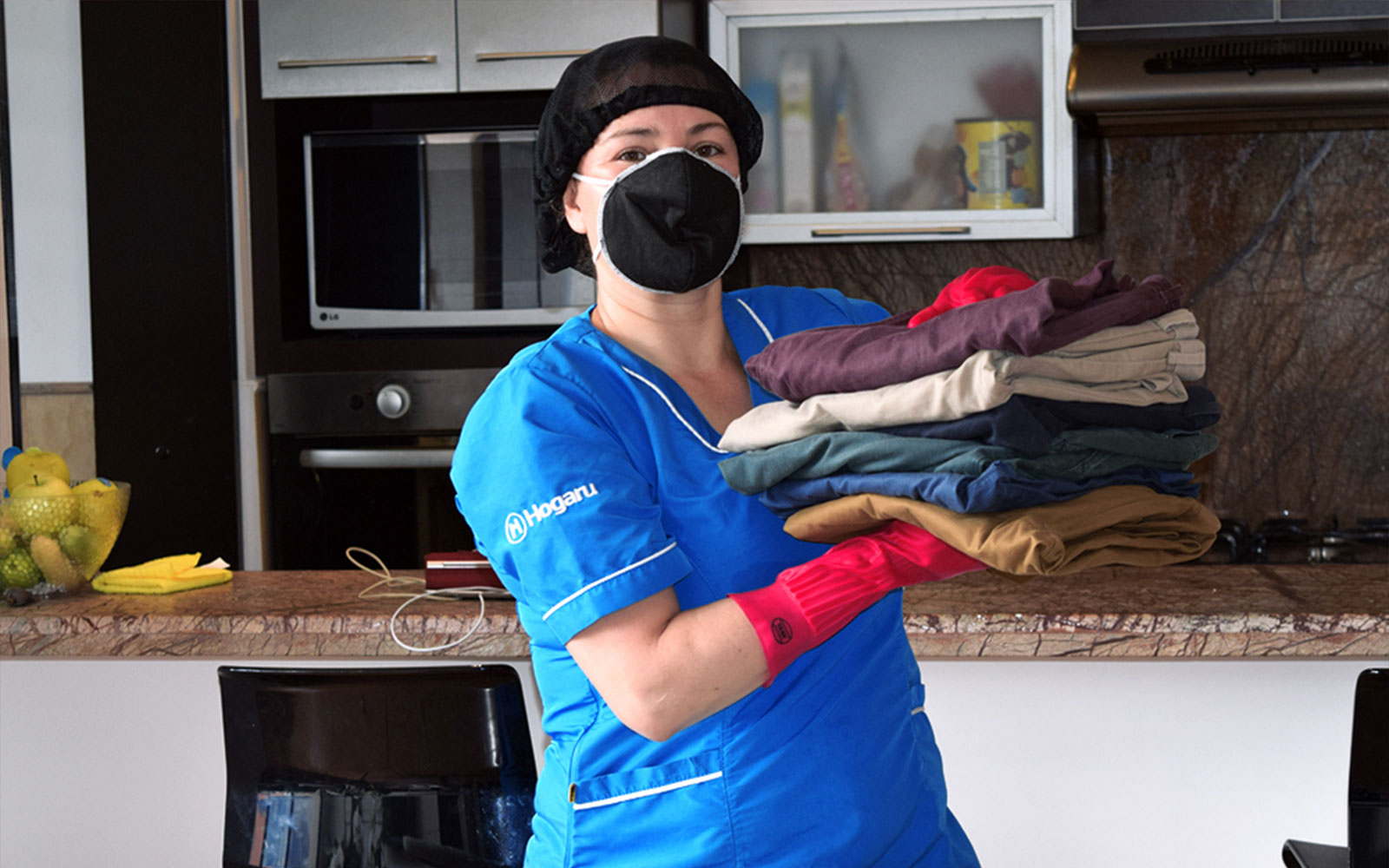
Operating in Colombia, Hogarú helps domestic workers find work and enjoy legal benefits. The platform employs around 700 women across Colombia who, on average, earn around 30% more than the country’s minimum wage, and can improve their skills at the Hogarú Academy. In January 2023, Hogarú and Mexican startup Homely announced their merger after more than a year of negotiations. This alliance represents a product and geographic expansion for both companies.
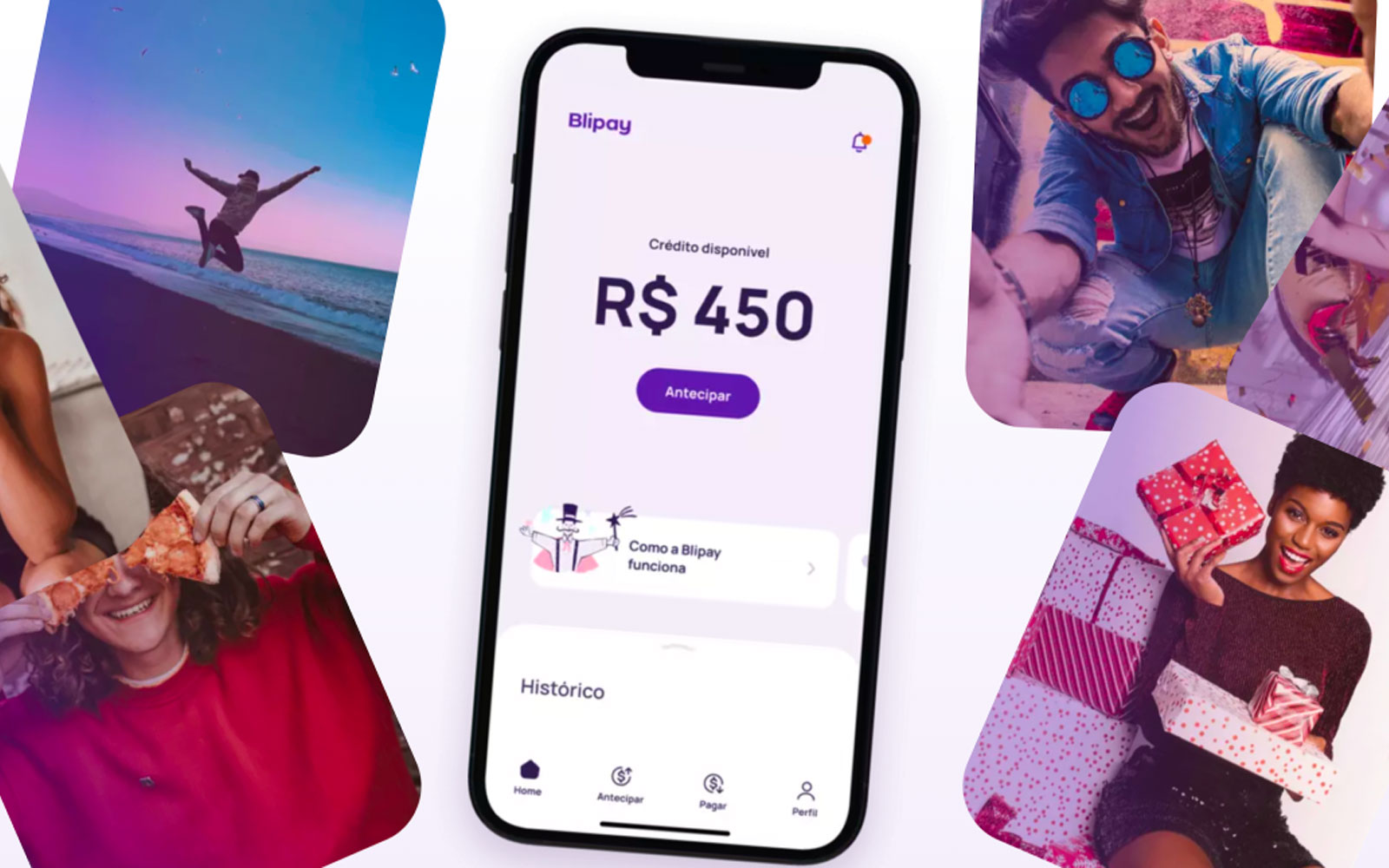
Brazilian fintech Blipay raised USD 6.7 million in a financing round in March 2023. The capital injection is aimed at boosting the credit line of Blipay's early salary product and expanding its product offering and customer base. The startup's mobile app enables users to access their salary before their paycheck is due, without incurring interest. Users can get up to BRL 1,000 (USD 194) in advance every month and then choose a suitable time to repay within 30 days. Blipay intends to serve 300,000 customers.
Brazilian talent management company Môre Tech publicly revealed the salary range of its workforce. The company didn’t disclose individual employees’ paychecks but shared the scope of salaries in each position, with a maximum range of BRL 7,000 (USD 1,312) for higher positions. Môre Tech encouraged conversations between employees and HR to explain the possibilities and conditions for pay raises.
Governments are starting to regulate WFH, but blue-collar workers also need support. Upfront transparency goes beyond fair wages — work/life balance is essential. Hogarú ensures workers have up to 300% more paid vacation time than suggested by government guidelines. Are you upfront about time off for both blue- and white-collar workers, formal and informal?
BIPOC workers in Brazil earn 40% less than their white counterparts per hour worked, and that figure has hardly changed over the last decade. Wage transparency is needed to create a fair playing field for all employees. Is your brand brave enough to lay its pay scale bare? And if not... why not?
Are you ready to level up your company’s game and give employees the flexibility they need and deserve? Flexible policies will boost employee productivity and make your company a hot spot for top talent. Use our Consumer Trend Canvas to start applying FULL DISCLOSURE to your own organization. After all, trends are only valuable if you act on them!
Our platform gives you access to our full Trend Framework, Innovation Database with 31,000+ innovations, Industry Reports, AI-powered Ideation Tools, Stats, Training, Analyst Support and more. Powered by humans and AI, and used by 100s of global B2C brands and agencies.
NEW | Experience the platform yourself — instant access, no card needed — with our free 7-day trial 🙌
Understand, anticipate and ideate with AI's radical impact on consumer behavior and expectations — today.
Check out our portfolio of AI-centric consumer trends, innovations and ideation tools.
It's going to be a wild ride but we've got you covered!
We run highly curated free Webinars — and yes, we can also come to you and present:
Check out our Keynotes and Workshops.
Prepping for the future has never been this inspiring!