Sign of the times
3 July 2024

As return-to-office policies gain traction across various sectors, tensions between employers and employees are rising. In Philadelphia, a union representing city workers is challenging Mayor Cherelle Parker's directive requiring around 5,000 employees to return to full-time office work by 15 July 2024. The union argues that the mandate not only harms workers but also violates their contracts.

Similarly, outdoor brand Patagonia faced backlash when it abruptly gave 90 remote workers just three days to decide whether to relocate closer to one of its metro hubs or face termination, a move that seems at odds with the company's historically progressive stance on work-life balance and environmental consciousness. Let my people go surfing? Maybe not…

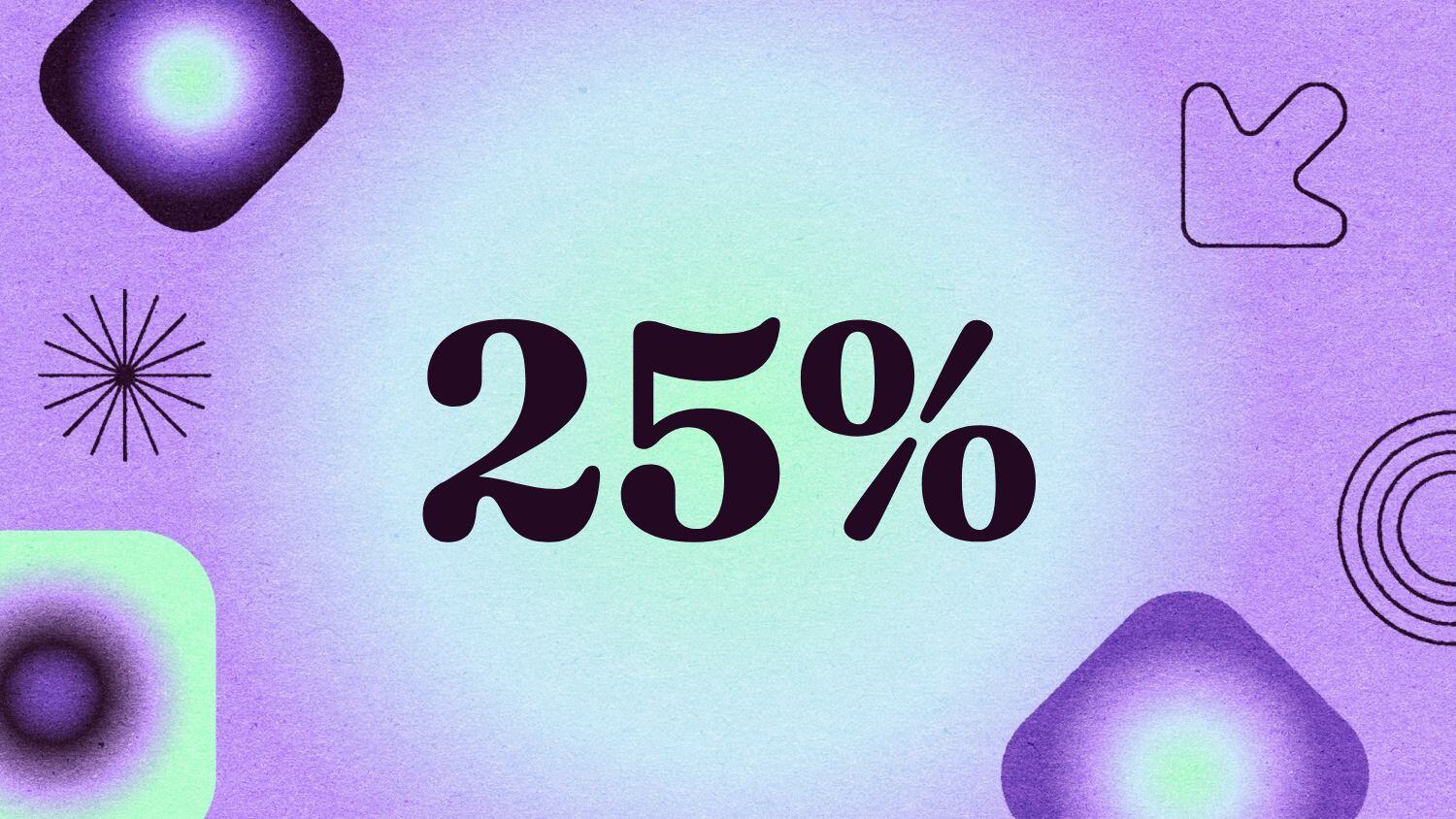
A worker’s employment-related carbon emissions can be cut in half by switching to remote

While companies cite improved collaboration, team cohesion and the revitalization of business districts as reasons to require full-time office presence, workers are fighting to maintain the advantages of remote work, including better work-life balance, greater autonomy, increased productivity and time saved from commuting.

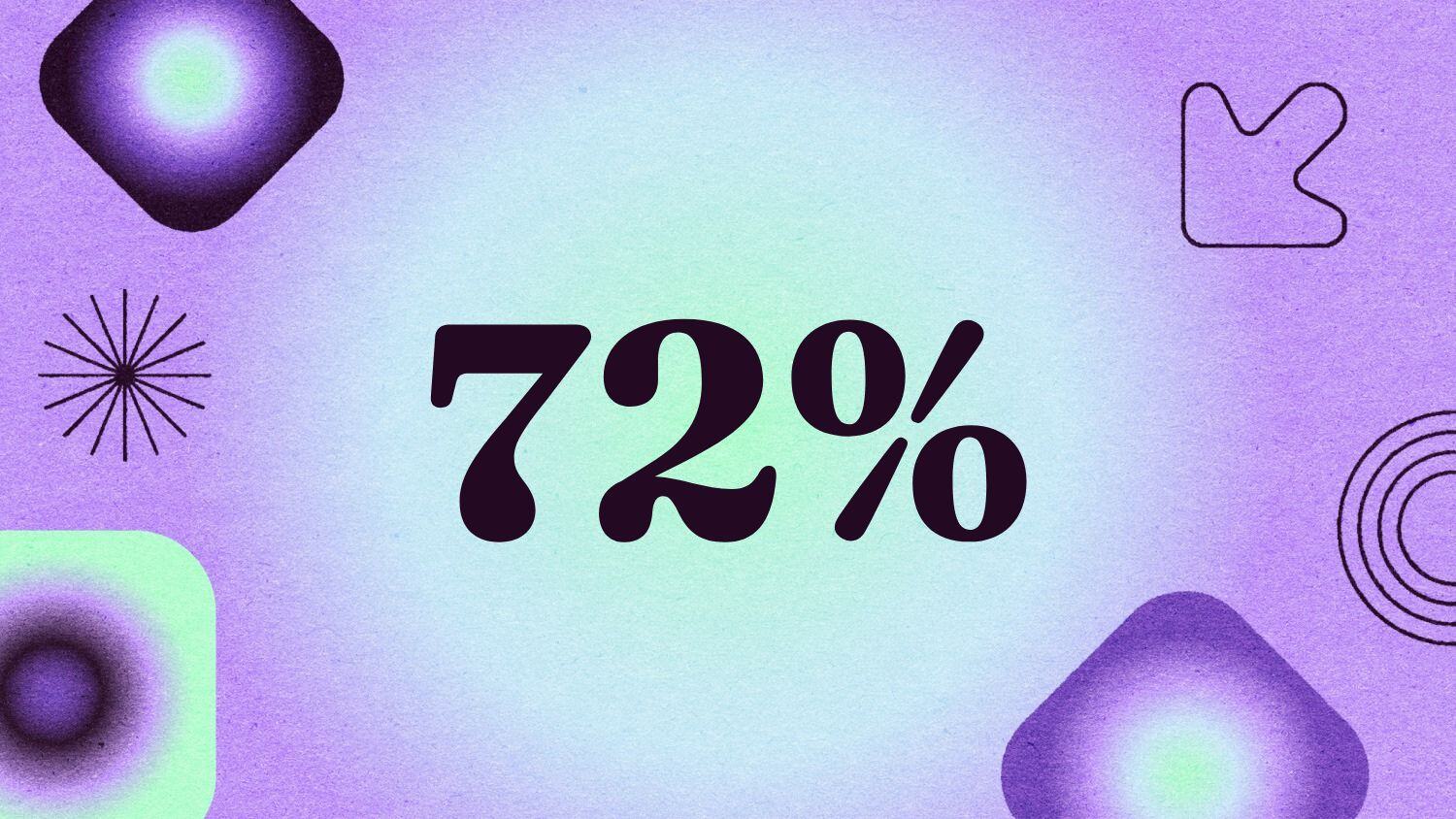
Employees at organizations enforcing return-to-office mandates express a lower intention to stay compared to those not faced with such mandates

Additionally, some speculate that RTO policies may serve alternate motives for businesses, such as maximizing real estate investments or facilitating voluntary attrition during downsizing efforts. As the debate unfolds, it's clear that finding a balance between organizational needs and employee preferences will be crucial in shaping the future of work.

Sign of the times
2 July 2024

Underscoring the growing tension between digital expansion and environmental concerns, Futureproof Clare, a grassroots environmental group, has launched a judicial review against the recently approved EUR 450 million Ennis data center County Clare, Ireland. The sprawling 145-acre project, with an annual electricity consumption equivalent to 210,000 households, plans to draw power from both the national grid and an on-site, fossil gas-fueled plant, backed up by 66 diesel generators. Critics argue that the unchecked proliferation of data centers threatens Ireland's emission reduction targets and its commitment to a green energy transition, with the Ennis project alone expected to produce up to 657,000 metric tons of CO2 annually.

Given the surge in AI use, analysts at Goldman Sachs Research estimate that power needed for data centers will grow 160% by 2030. They believe the accompanying rise in carbon dioxide emissions will represent a social cost of USD 125 to 140 billion.

As public scrutiny intensifies, the dispute over the Ennis data center serves as a microcosm of a larger global challenge: balancing the energy demands of an increasingly digital economy with the urgent need to curb greenhouse gas emissions. The conflict highlights the critical need for businesses to align their digital growth strategies with sustainability objectives, addressing environmental concerns head-on and investing in cleaner, more efficient technologies. As communities push back against the environmental and health toll of these facilities, companies that navigate this complex landscape with transparency, innovation and a genuine commitment to sustainability are likely to emerge as leaders.

Stat
1 July 2024

Algorithmic biases, copyright issues, privacy concerns, layoffs... People aren’t sure whether to trust AI or not. When it comes to discrimination, there’s a twist: in 29 of 32 countries surveyed for The Ipsos AI Monitor 2024, fewer respondents agreed with the statement “I trust people not to discriminate or show bias towards any group of people” than when given the same statement about AI.

As Matt Carmichael, SVP of Global Trends & Foresight at Ipsos Strategy3, says, “So, despite headlines about the bias in AI, we actually trust our fellow humans less than we trust the computers.”

🔍 Ireland is the only country where people trust that humans will discriminate less than AI. In AI-advanced India and tech-neutral Switzerland, trust levels are equal for both. Globally, 54% trust AI not to discriminate or show bias (33% disagree), compared to 45% who trust humans not to discriminate or show bias (45% disagree).

🤖 Biases, whether AI or human, ultimately reflect society. Algorithmic gaps and biases mirror existing injustices, from outdated gender stereotypes to antisemitism. AI could further entrench these prejudices, as shown by PR debacles at Meta and Gemini Google.

Insight
27 June 2024

The fashion recommerce market is veering off course. Stuart Trevor notes that brands like Zara (62M items), H&M (59.9M) and Shein (21.9M) reign supreme on Vinted, with 100K Zara items added daily… 😵‍💫

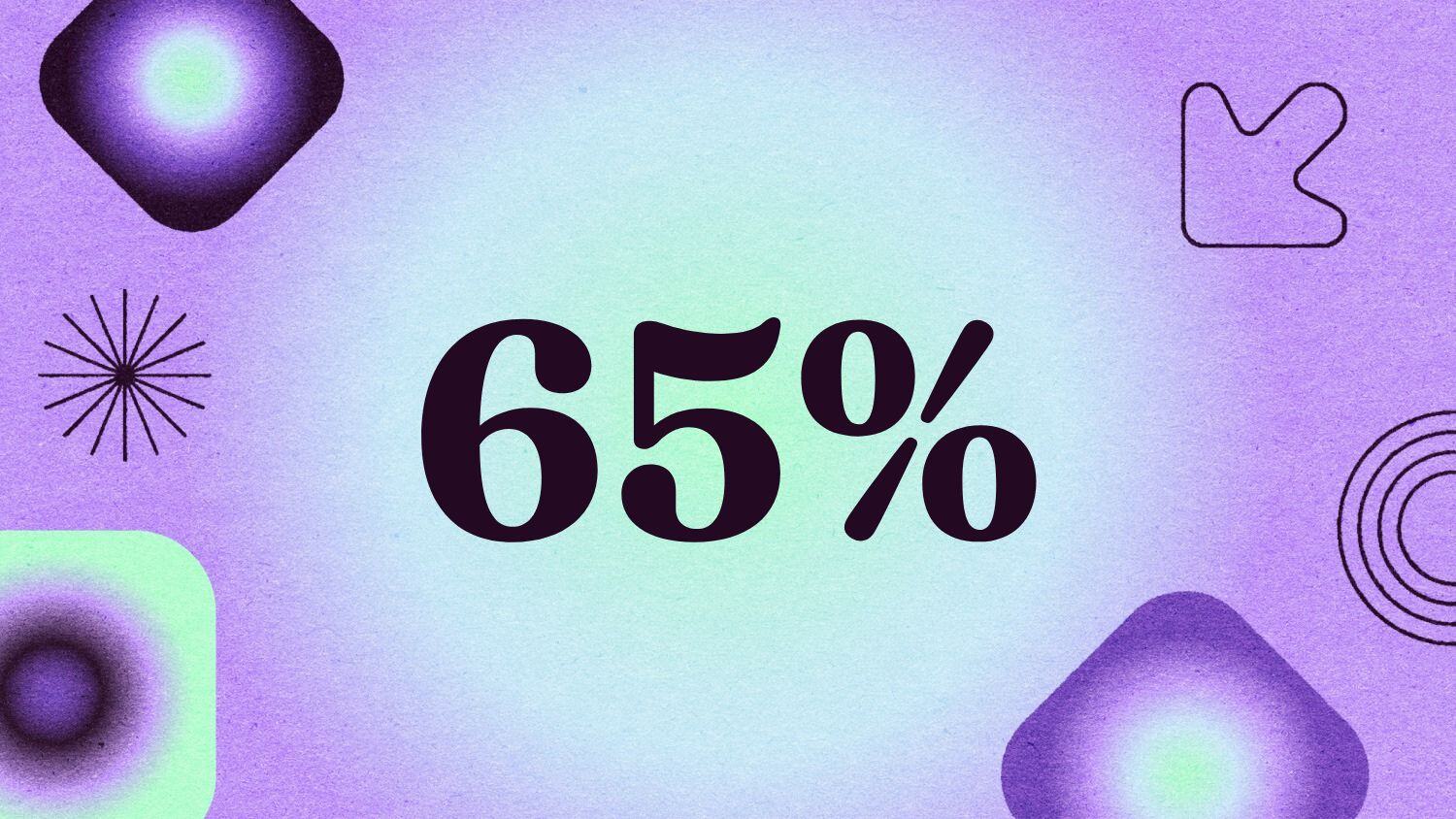
Whether driven by cost-consciousness or eco-guilt, Vinted’s latest Impact Report reveals that for 65% of its members, a quarter or more of their wardrobe is composed of secondhand items. Extending the life of garments is highly commendable, but the flood of fast fashion items on Vinted and its competitors signals that overconsumption and rapid turnover have reached recommerce. While Vinted reports to have cut 679 metric tons of CO2e in 2023, another report finds that fast fashion items only cut emissions by 0.7% through resale programs 📉

In response, Vestiaire Collective banned fast fashion brands last year and France is imposing penalties. But fast fashion continues to thrive — especially among trend-driven members of Gen Z, with Shein as a favorite. So, how will you help brands and consumers adopt a quality-over-quantity mindset, whatever point of sale they choose? One example of promoting intentional shopping: Eileen Fisher's Seasonal Planner.

Stat
24 June 2024

Over 1,000 people in the US were surveyed for the 2024 edition of Shep Hyken's annual customer service report. One dismal finding? Half (51%) would rather dine with their in-laws than call customer support. Is that evidence of a growing love for in-laws or a frustration with service experiences? Either way, there's no justification for yelling (34%) or cursing (21%) at agents.

It’s not just Americans that are adopting Karen-like behavior. Australians and Brits are, too. All of which points to an empathy gap, one that could further widen as the visceral reporting of global conflicts drives up compassion fatigue.

Time to remind all stakeholders of their social graces and prod them to practice kindness. Beyond the positive ripple effect on customer and employee loyalty and satisfaction, kind gestures can also alleviate anxiety and depression.

Sign of the times
21 June 2024

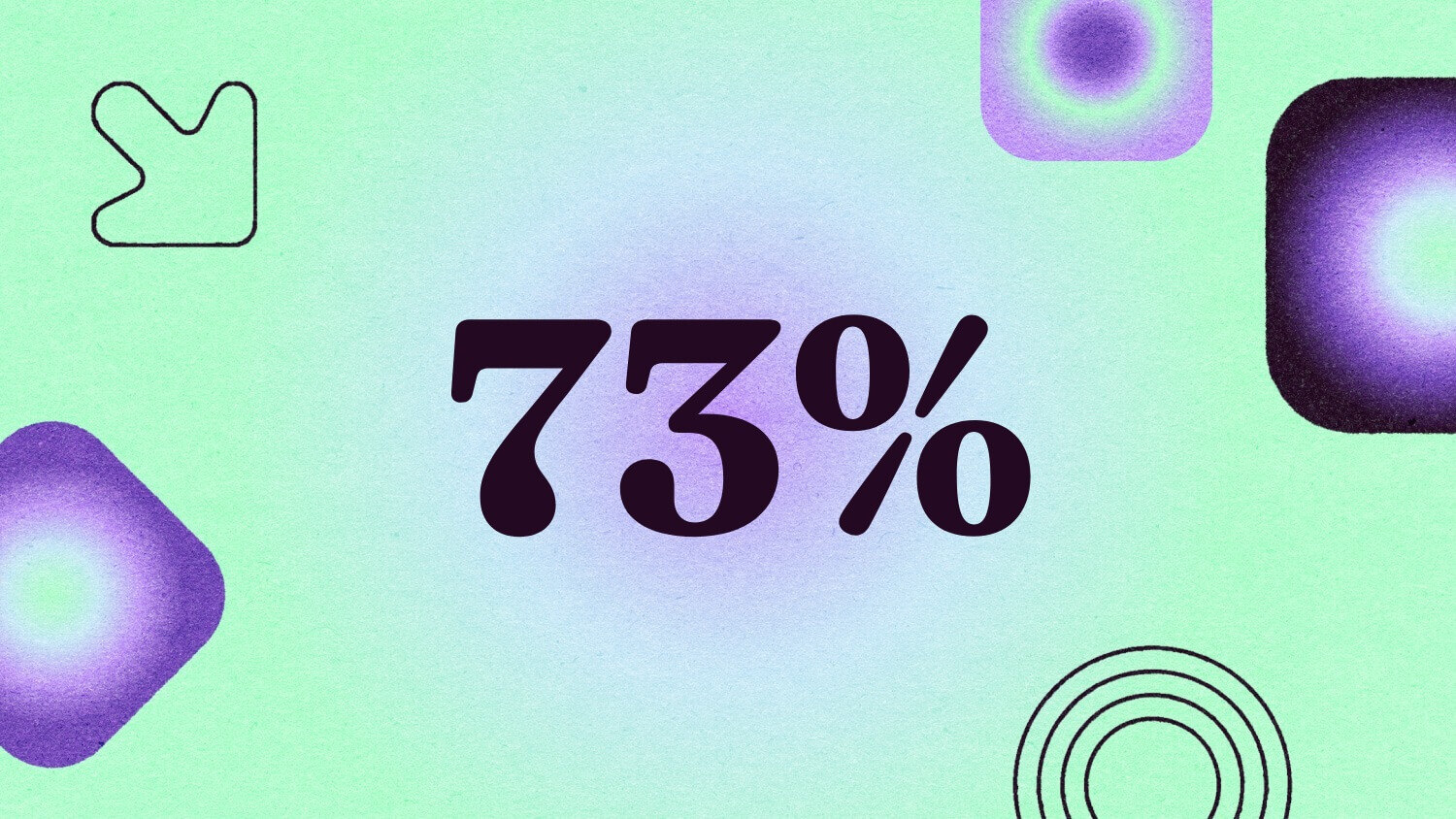
The United Nations Development Programme just released its second edition of the Peoples’ Climate Vote survey. Over 73,000 people speaking 87 different languages across 77 countries were asked 15 questions on climate change. Key findings for 2024:

  • Four out of five people worldwide want their governments to take stronger action on climate change, showing overwhelming support for more ambitious climate efforts.
  • The survey found that 86% of respondents want countries to set aside geopolitical differences and collaborate on addressing climate change.
  • Majorities in 20 of the world's largest greenhouse gas-emitting countries, including the US, China and India, support stronger climate action, with percentages ranging from 66% (US and Russia) to 93% (Italy).
  • In five of the main emitters (Australia, Canada, France, Germany and the United States), women are more strongly in favor than men of their country strengthening its commitments. The gender gap is largest in Germany.
  • 72% of respondents globally favor a rapid transition away from fossil fuels, including majorities in countries that are among the top 10 producers of oil, coal, or gas.
  • Climate change is impacting people's major life decisions, with 69% of global respondents saying it affects choices like where to live or work, rising to 74% in Least Developed Countries.
  • Over half of those surveyed are more worried about climate change than they were last year.

Representing 87% of the world's population, The People's Climate Vote survey is focused on understanding how people experience the impacts of climate change and how they want their leaders to respond. You can find the full report here.

Trend
21 June 2024

In conjunction with Chinese Cultural Heritage Day in June 2024, Starbucks China opened its third cultural heritage concept store in Suzhou. Following similar openings in Beijing and Shanghai, the space is designed to showcase local Suzhou culture and Chinese artisanal skills. The interior mimics a Suzhou-style garden pavilion and sports design elements based on local craft, including Su embroidery, needle brush painting techniques and Yunnan’s Wa brocades.

The latest Starbucks cultural heritage store is part of the cafe chain’s broader strategy to ride on the Guo Chao movement, also known as ‘National Trend’ or ‘China Chic.’ Chinese consumers increasingly favor brands rooted in local culture and sensibilities, and in response, both local and global brands are reinventing their offerings to meet this preference. For Starbucks, leaning into heritage is especially important to fend off local competitors like Luckin Coffee that are winning on price.

🌏 More broadly, China's Guo Chao movement is just one example of a powerful shift across Asia, where Western culture is no longer the paragon of cultural cool. Asian kids who grew up in the 1990s might have clamored for hamburgers and Backstreet Boys songs. Today, Filipinos idolize their own P-pop artists (SB19, anyone?), Thais go crazy over their Boys’ Love series, and Indonesians flock to homegrown artisan coffee brands. And we don't even need to mention K-culture.

Culture will always be a key driver of commerce. Aligning your brand with the right players, personalities and properties is a powerful way to resonate with consumers. Is your brand’s cultural compass up to date?

Stat
20 June 2024

The latest edition of Reuters and Oxford's annual Digital News Report is out! Here are the key insights for 2024:

😓 News fatigue & avoidance: Despite a slight uptick in engagement during election years (+3% in the US), news consumption is becoming more selective. Of those surveyed, 39% now often or sometimes avoid the news, up from 29% in 2017, and 39% feel overwhelmed by the amount of news, compared to 28% in 2019.

🧐 Trust in news: Trust remains steady at 40%. Finland leads with 69% trust, while Greece and Hungary are at the bottom with 23%. Trust factors include openness (72%), accuracy (69%), fairness (65%), and lack of bias (61%).

🎥 Platforms: Facebook is losing ground (-3%), short-form video news is surging. YouTube is the top platform (31%), followed by WhatsApp (21%), TikTok (13%), and X (10%). TikTok is especially popular among 18-24-year-olds (23%) and in Thailand (39%) and Kenya (36%).

🎙️ Podcasts: News podcasts attract younger, well-educated audiences. In 20 countries, 35% listen monthly, with 13% tuning into news and current affairs.

🤖 AI-generated news: Concern about fake news is rising, with 59% worried, up 3 points from last year. It's especially high in South Africa (81%) and the US (72%), likely connected to 2024 elections. 

Whether or not you're in the media business, how will you help overwhelmed consumers navigate an oversupply of information, enabling them to find essential signals among intensifying noise?

Sign of the times
19 June 2024

In Germany, people are turning to mini solar systems installed on their balconies to lower utility bills and contribute to the fight against climate change. These 'Balkonkraftwerken,' or balcony power plants, consist of one or more photovoltaic panels and an inverter, allowing homeowners and renters alike to generate electricity and power household appliances.

Earlier this month, Germany's Federal Ministry for Economic Affairs and Climate Action announced that the number of balcony power plants surpassed 500,000. Rapid uptake was driven by the energy crisis following Russia's invasion of Ukraine and boosted by a zero-percent sales tax rule for residential photovoltaic systems, which went into effect in 2023 and will run through the end of 2026. Recent changes in legislation, dubbed 'Solar Package I,' have made it even easier for Germans to install and register solar modules.

⚡️ Faced with higher energy costs and concerns about blackouts and grid instability, consumers are increasingly interested in gaining independence from centralized systems. Balcony power plants provide a degree of self-sufficiency, creating a low-stakes opportunity for people to dabble in off-grid living — one that's as accessible to city dwellers as to folks living out in the woods. Beyond electricity, what can your brand provide to help people achieve greater autonomy and resilience? 

Stat
18 June 2024

Brands are becoming hesitant about pride activations. This year, there’s been a noticeable decline in rainbow-colored merchandise and brand logos, as greenhushing appears to have extended to pinkhushing. Just as corporate fear of criticism and backlash saw sustainability claims replaced with silence, the same is now happening with DE&I initiatives. Ipsos Pride Survey 2024 predicts that just 10% of brands across 26 countries will visibly strive for LGBTQ+ equality in 2024.

According to the survey, the percentage of people who say they support brands "actively promoting equality for LGBT people" has declined slightly, with 44% expressing this sentiment in 2024 compared to 49% in 2021.

In light of this sentiment — and with brands including Bud LightNike and Target facing boycotts and backlash for aligning with LGBTQ+ issues — is it time to opt out? No! 🌈 Dive into the full Ipsos report for granular data that can guide your allyship efforts (no paywall or registration), and see the link below for relevant trend insights and innovations.

Sign of the times
17 June 2024

While worries abound about the role of AI in spreading disinformation in mega election year 2024, AI might be playing an even more central role in the form of actual candidates. In the UK, AI Steve is running for parliament in the constituency of Brighton Pavilion, while chatbot VIC aims to be elected mayor of Cheyenne, Wyoming.

The central concept behind VIC — short for Virtual Integrated Citizen — is that it knows all local laws and can follow them to the letter. It also analyzes public records to identify constituent concerns and can be contacted by citizens. AI Steve, meanwhile, is recruiting at least 5,000 Brighton residents as 'creators' whose opinions will be synthesized into policy positions. A separate group of 'validators' will evaluate potential positions on a scale of 1 to 10 to determine whether they should be adopted.

Both candidates have humans acting as their meat puppets, performing the duties an AI chatbot can't, like attending meetings and enabling them to legally run for office in the first place. While their initiators believe democracy needs a new impulse and AI can better represent the needs and wishes of citizens, critics are raising valid concerns about accountability, ethical implications and the potential for manipulation. 

VIC and AI Steve might seem like gimmicks. But it's hard to deny the benefits of politicians without human egos who can effortlessly analyze hundreds of pages of documents in seconds. With sufficient safeguards in place, an approach that's data-driven, consistent and reflective of the public's needs could lead to more effective and equitable governance. The same principles might also be applied in corporate settings, paving the way for AI/human hybrid CEOs, or the ultimate customer feedback system. One to experiment with?

Stat
13 June 2024

Remember quiet quitting? 😶 It’s still very much a reality. Gallup's State of the Global Workplace: 2024 Report reveals that 15% of the global workforce is 'actively disengaged,' defined as actively opposing an employer's goals. Additionally, 62% is simply not engaged. According to Gallup's estimates, low engagement has a global economic cost of USD 8.9 trillion, or 9% of global GDP.

The report uncovers factors that contribute to workers not feeling enthusiastic or involved:

  • Loneliness: 20% of employees experience daily loneliness, rising to 22% among those under 35 and to 25% among fully remote workers.
  • Job hunting: 52% of global workers are watching for or actively seeking new job opportunities.
  • Stress: 41% of employees report high stress levels, and the percentage is higher for those in poorly managed companies (60%).

Signaling a path towards higher engagement is Gallup's finding that 70% of variance in team engagement can be attributed to the manager. With resenteeism on the rise, how will you help your managers and employees re-engage and thrive in their roles?

Trend
12 June 2024

Marathon du Mont-Blanc reserves bibs for runners arriving by train

Later this month, 11,000 runners will descend on Chamonix to participate in one of eight races, including the Marathon du Mont-Blanc. Among the world's most famous trail running events, they're set in stunning natural surroundings. So it's not surprising that Le Club des Sports de Chamonix-Mont-Blanc, which organizes the races, is bent on minimizing their environmental impact.

Previously implemented initiatives include banning plastic water bottles and reducing food miles by sourcing from local producers. Recently, Le Club des Sports de Chamonix-Mont-Blanc announced a new measure to drastically cut transport-related emissions: in 2025, 40% of all marathon bibs will be reserved for runners arriving by train. Participants who can't show their train ticket will be disqualified from starting.

Massive Attack offers VIP access and dedicated trains

British band Massive Attack, meanwhile, is wielding carrots instead of sticks for its August 2024 homecoming gig in Bristol — billed as the 'lowest carbon emissions show of its size ever held.' To persuade ticket-holders to travel by train instead of car, the concert's organizers are partnering with Train Hugger to offer a comprehensive set of incentives.

Train tickets can be swapped for a wristband that provides access to a VIP bar and toilets; wristband wearers get a free ride back to the rail station after the show via electric bus; post-show, rail operator GWR will also reserve five 'show special' trains departing from Bristol; and each train ticket will contribute to the planting of 19,150 native oak trees on former farmland near Bristol.

Stat
10 June 2024

When thinking about the gender gap, pay and employment disparities often top the list. Now, a new divide is emerging, with AI threatening to widen existing inequalities. Deloitte highlights gender-based emotional disparities regarding AI, even among younger people:

📉 Women’s top emotion is uncertainty: 28% of Gen Z and Millennial women express uncertainty about generative AI, compared to 20% of Gen Z men and 24% of Millennial men. 

📈 Men’s top emotion is excitement: 24% of Gen Z men and 26% of Millennial men feel excited about generative AI, while 19% of Gen Z women and 20% of Millennial women say the same.

🧑‍🎓 Women also feel less comfortable working alongside gen AI systems and tools, and are less likely to seek out related training.

So, how can your company bridge the gender gap in AI adoption and comfort levels? Education is key! As the study found, AI knowledge drives trust and interest. Empower all of your employees through training, while honestly addressing their concerns. Ensure that women have equal access to AI-related projects that can help them gain practical experience, and actively seek to include women in key AI initiatives and leadership roles within AI projects.

Sign of the times
7 June 2024

On June 5th, World Environment Day, UN Secretary-General António Guterres declared that humanity is at a "moment of truth" in the fight against climate change. Guterres spoke directly to advertising agencies and PR companies: "Many in the fossil fuel industry have shamelessly greenwashed — even as they have sought to delay climate action — with lobbying, legal threats, and massive ad campaigns. They have been aided and abetted by advertising and PR companies."

Guterres continued: "I call on these companies to stop acting as enablers to planetary destruction. Stop taking on new fossil fuel clients, from today, and set out plans to drop your existing ones. Fossil fuels are not only poisoning our planet — they're toxic for your brand. Your sector is full of creative minds who are already mobilizing around this cause. They are gravitating towards companies that are fighting for our planet — not trashing it."

"Many governments restrict or prohibit advertising for products that harm human health, like tobacco. Some are now doing the same with fossil fuels. I urge every country to ban advertising from fossil fuel companies. And I urge news media and tech companies to stop taking fossil fuel advertising."

Back to Top